

Ecosystems
Freshwater wetlands: more than water
Discover how water, plants, soil, and small organisms work together to support freshwater life.
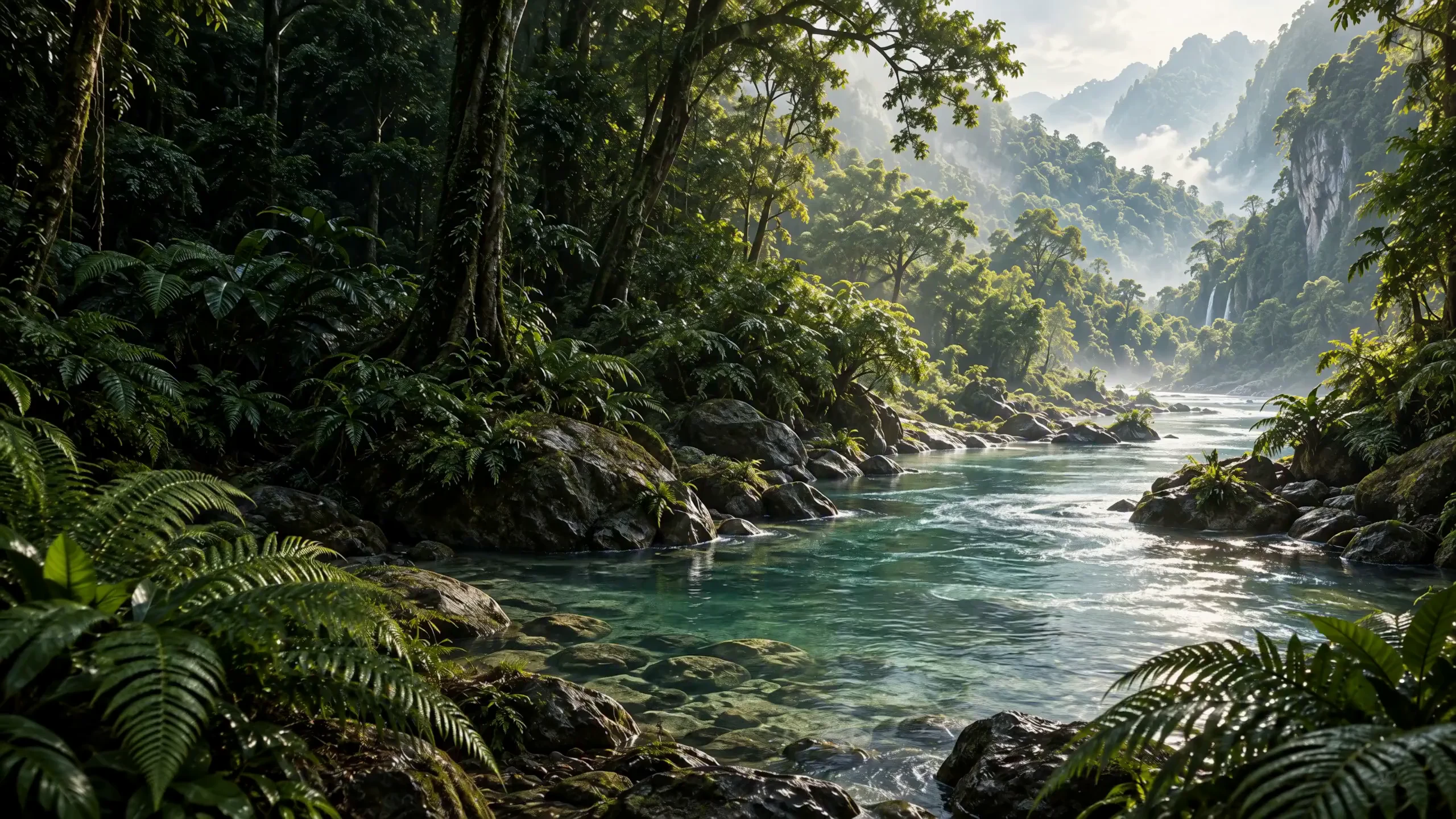
Where land meets water
Freshwater wetlands connect terrestrial and aquatic environments. Water may cover the ground permanently or arrive seasonally. The timing and duration of that water help shape the soil, vegetation, and organisms that can live there.[1,2]
A wetland that looks dry for part of the year is not necessarily an ecosystem that has stopped functioning. Seasonal change is part of many wetlands’ identity. Understanding a habitat starts with asking how water moves through it over time.[1]
Small organisms, wider food webs
Fallen leaves and stems can become detritus as they break down. This material supports small organisms that, in turn, feed other animals. Fish are therefore part of a food web, not isolated residents of a body of water.[3]
Plants and shallow-water habitats also provide feeding and shelter opportunities. Protecting biodiversity means considering these less conspicuous parts of the ecosystem alongside its most recognisable species.[2,3]
Part of a connected landscape
Wetlands can hold water and slow its movement, helping moderate floods and erosion. Their functions depend on local conditions and their relationship with the surrounding watershed.[2]
For an aquarist, the useful lesson is curiosity rather than imitation: research a species’ habitat before trying to recreate it. A decorative aquarium can suggest a landscape, but appearance alone does not establish appropriate living conditions.[3]
Look beyond the aquarium.
Take these questions into your further reading.
- Which river, lake, or wetland is associated with the species you are researching?
- What do reliable sources say about that habitat and the pressures it faces?
- Can you distinguish a species’ natural distribution from the origin of a particular aquarium animal?
This is a learning checklist, not a treatment or husbandry protocol.
Sources & further reading
- The flood pulse concept in river-floodplain systems. In: Dodge DP, editor. Proceedings of the International Large River Symposium. 1989;Canadian Special Publication of Fisheries and Aquatic Sciences 106:110–127. Fisheries and Oceans Canada. Available from: https://waves-vagues.dfo-mpo.gc.ca/library-bibliotheque/111846.pdf
- Wetland resources: status, trends, ecosystem services, and restorability. Annual Review of Environment and Resources. 2005;30:39–74. doi:10.1146/annurev.energy.30.050504.144248
- Freshwater biodiversity: importance, threats, status and conservation challenges. Biological Reviews. 2006;81(2):163–182. doi:10.1017/S1464793105006950
Sources reviewed on 1 September 2026. References support this introduction; they do not imply endorsement of LIMNIC. For species-specific care or health concerns, consult an appropriate specialist.