Species library · Explore freely. Orders are not open.

NATIVE INDONESIA / SULAWESI

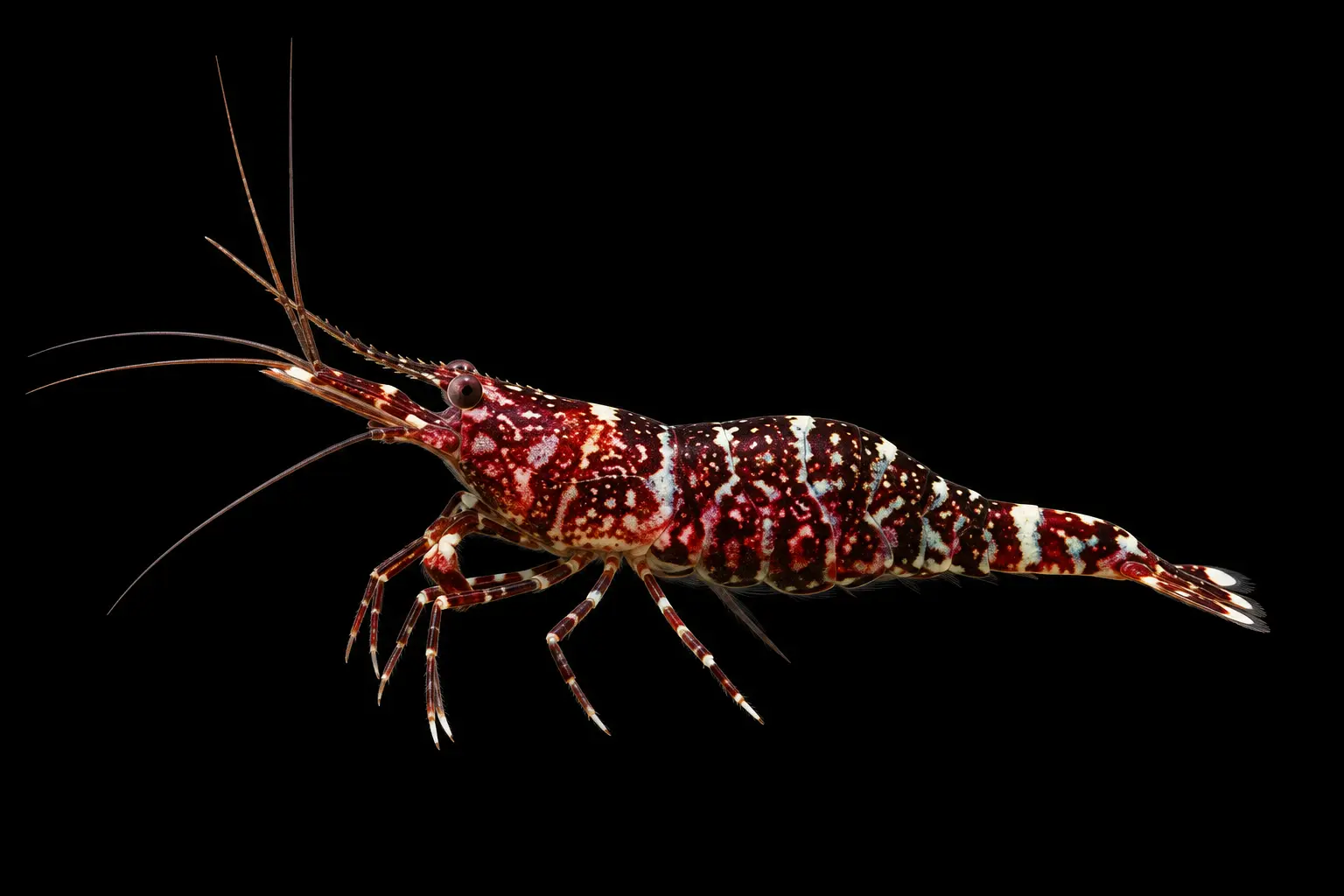
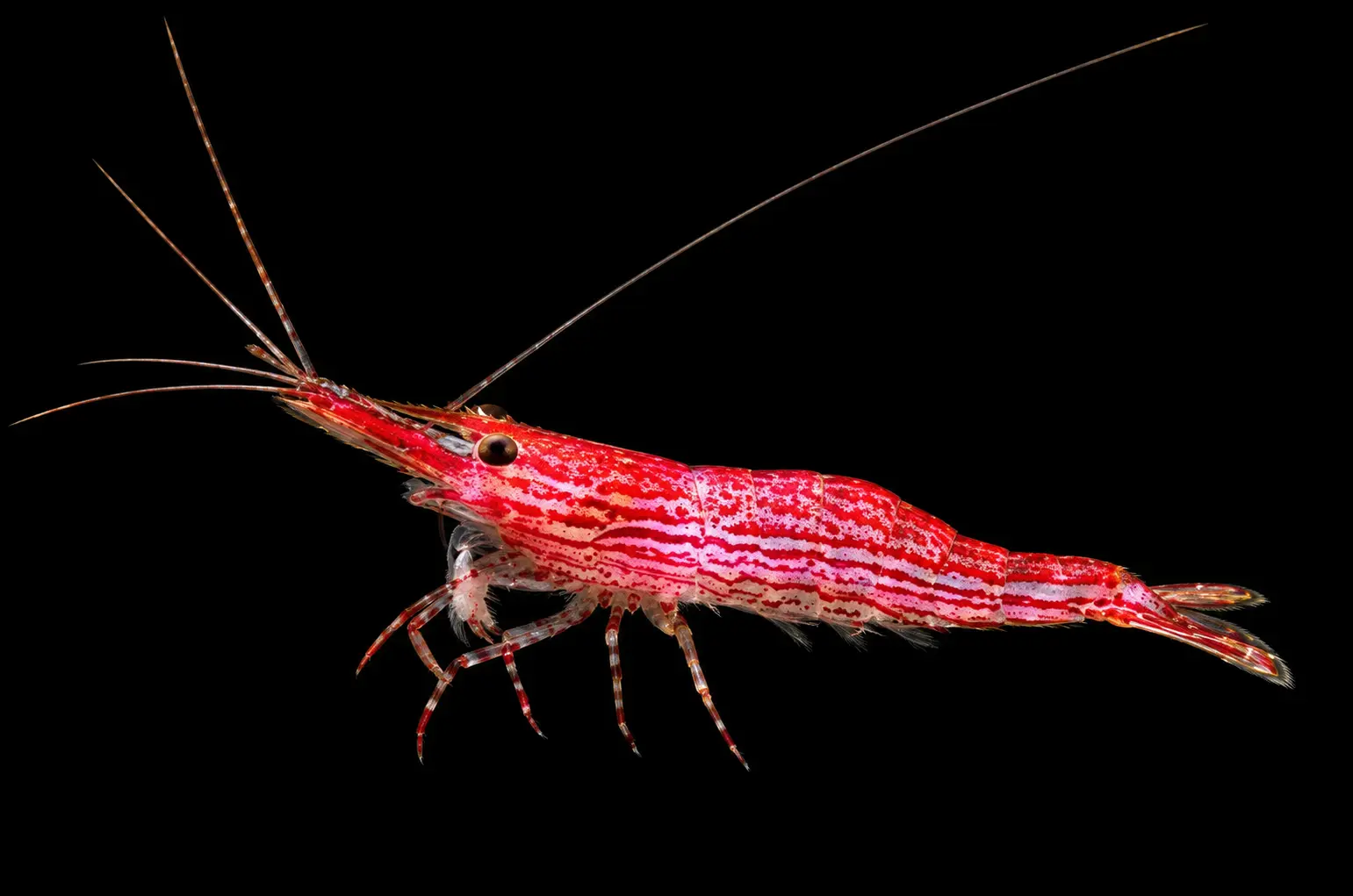
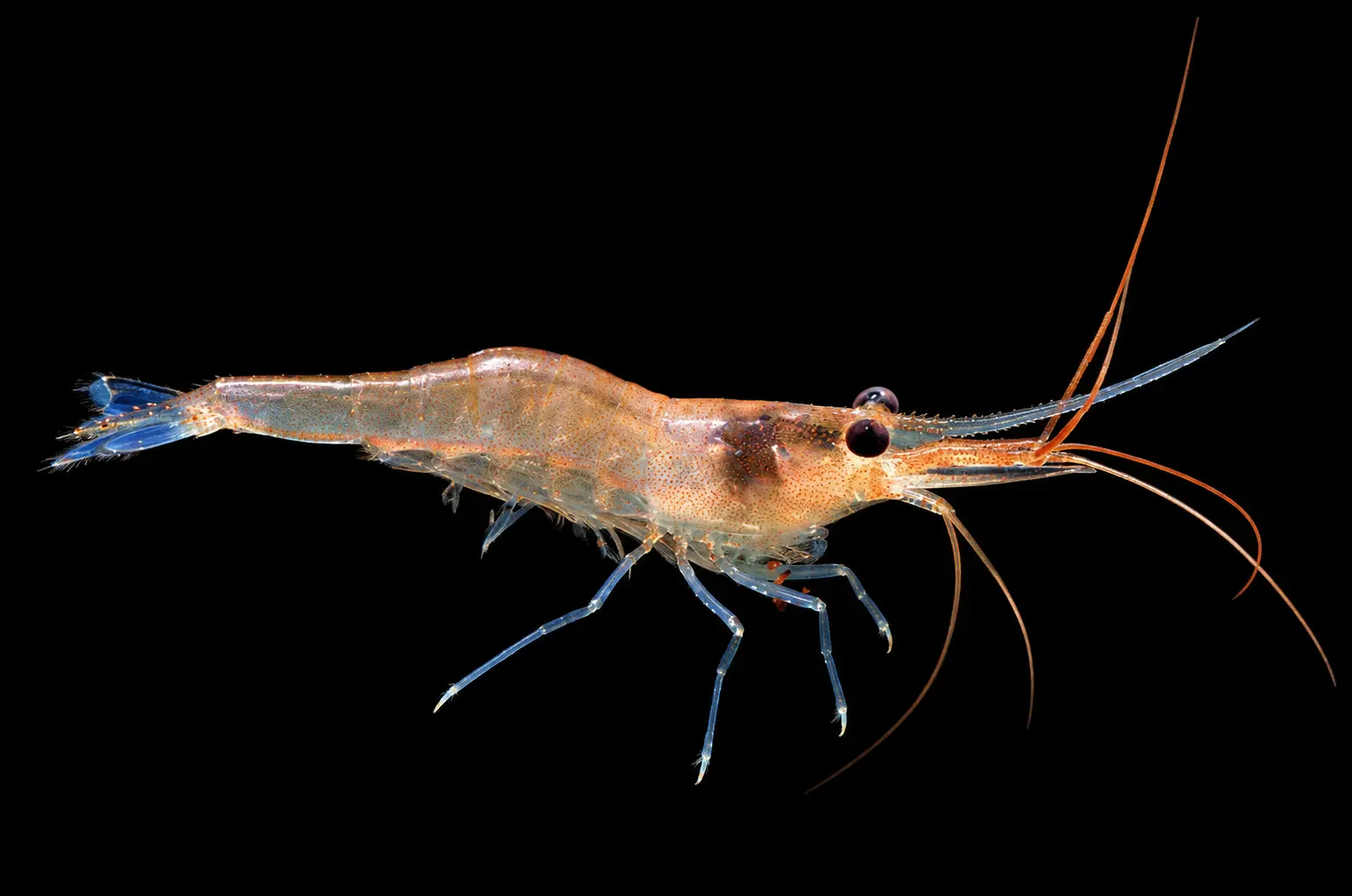
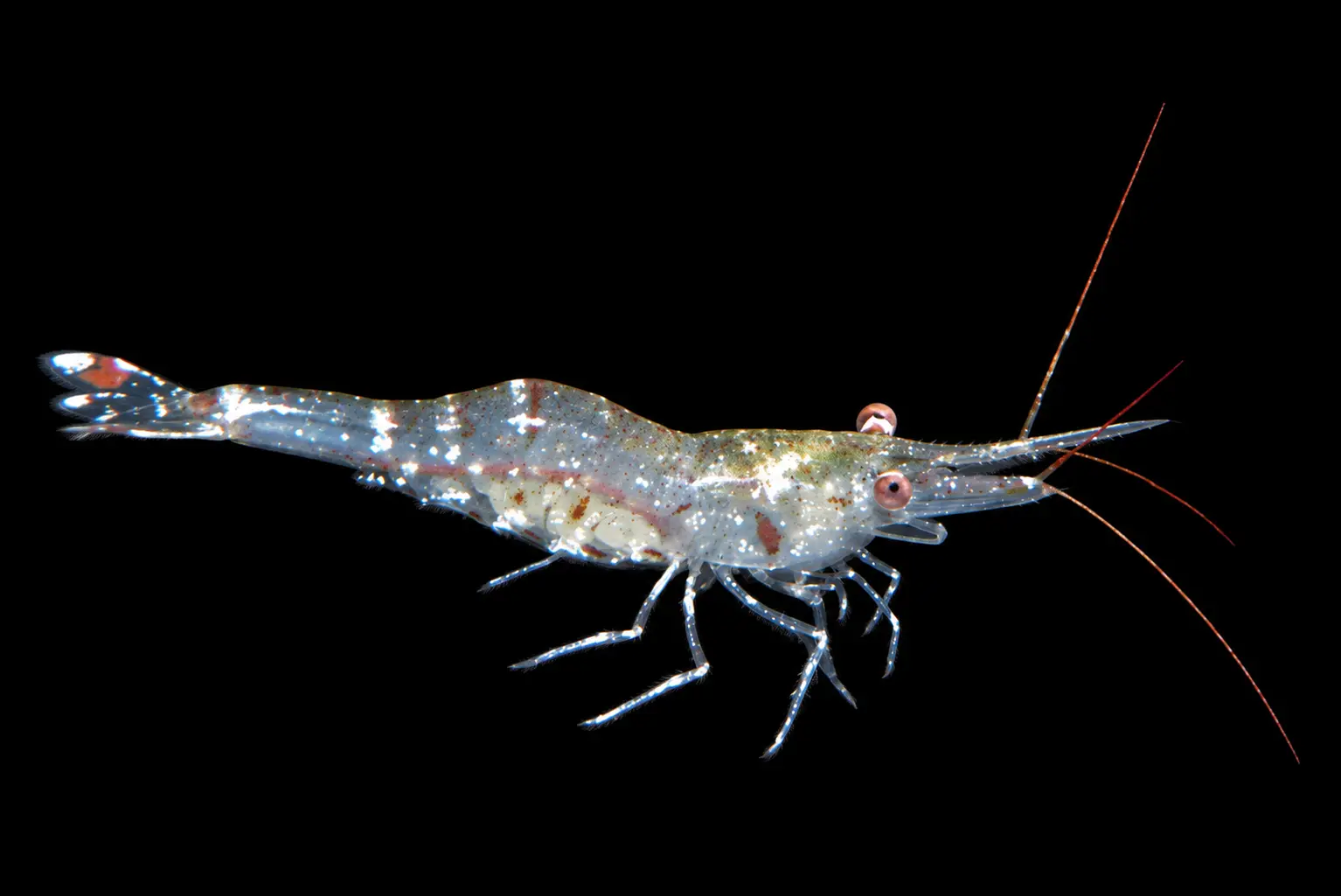
Sulawesi Shrimp

A collection of freshwater ornamental shrimp native to Sulawesi, part of LIMNIC’s wider focus on ornamental fish and freshwater shrimp native to Indonesia.

Enter the species journeyCollection in preparation

Origin matters.

We are preparing to breed freshwater ornamental shrimp native to Sulawesi, Indonesia. Species identity, source records, and species-specific husbandry are central to this work. Confirmed species, breeding records, and care profiles will precede any availability announcement.

Sulawesi species catalogue.

Explore described species from Poso, the Malili lakes and their catchments. Search common names and colour forms; open a profile for habitat, varieties, conservation and sources.

26 records

Reading descriptions & sources

Fish SL excludes the tail fin; TL follows source endpoints, usually to the tail tip. CL measures the carapace only. Values are not converted between methods. Where a maximum is unverified, the largest examined specimen remains labelled as a specimen, not an adult maximum or a guaranteed final size.

Water ranges retain their source and scope: species, genus or group. Habitat measurements and experimental conditions are labelled separately from aquarium guidance. Missing numbers are not estimated. Prepared food is not always accepted; adapt food size to life stage and check feeding response. This summary does not replace system planning, quarantine, compatibility or adult space.

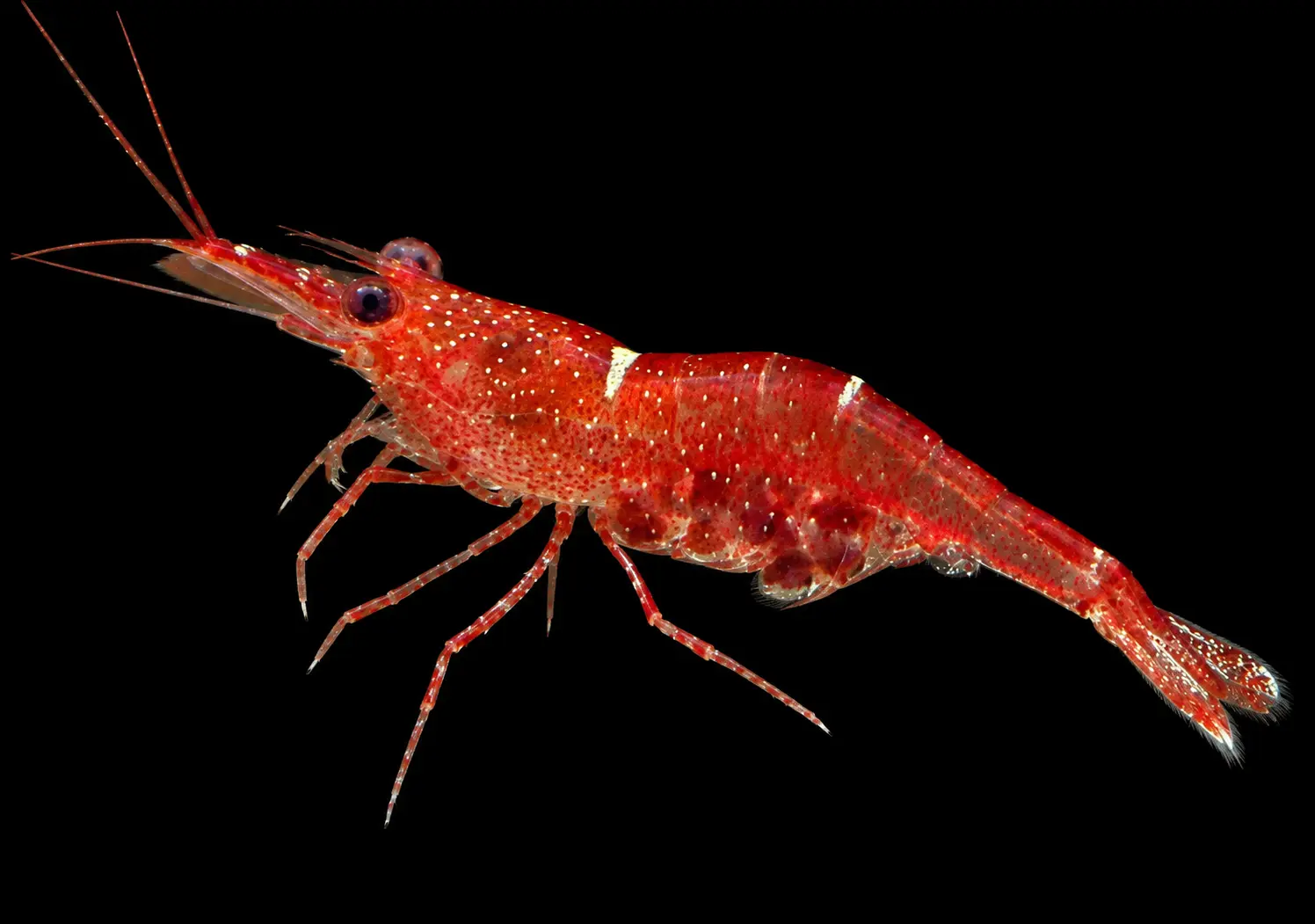
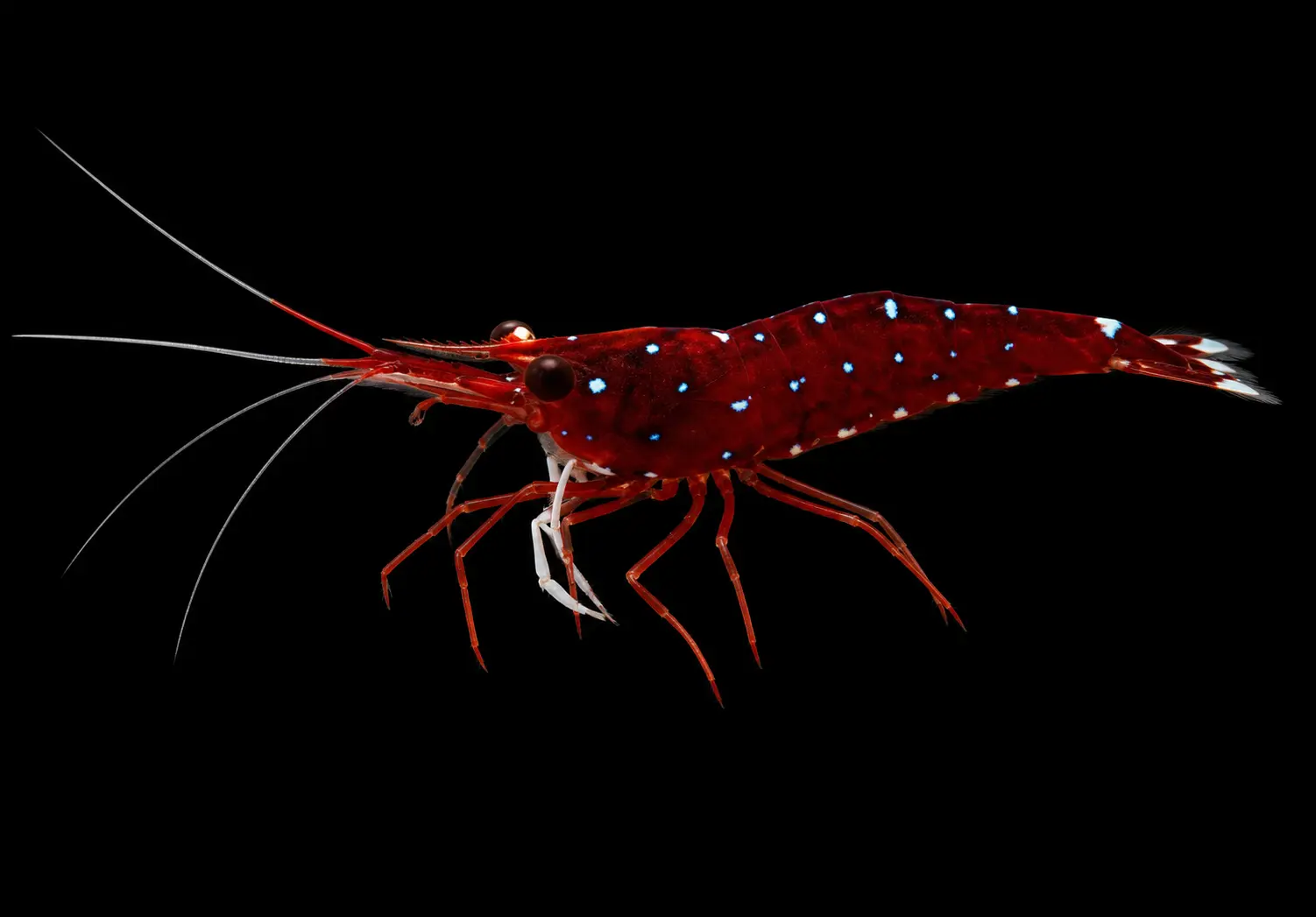
Caridina dennerli

Caridina dennerli

Cardinal Sulawesi Shrimp

Origin
Lake Matano, Sulawesi, Indonesia
Habitat evidence
Ancient lakes

Description

Examined series: up to 3.4 mm carapace; maximum total length unverified.Source CL records conflict; see the evidence limits.Examined specimens · not an adult maximum

Temperature 26–28 °C · pH 8.1–8.2 · TDS 250–300 ppmkeeper account for the named taxa

Natural food: Grazing biofilm.Prepared food: Shrimp pellets used in a feeding study.

Biology: mature biofilter; species-specific microbial counts are not established.

Sources & limits

Use a mature Matano-style aquarium with stable warm mineral water, oxygenation and abundant rock biofilm. Acclimate slowly, feed sparingly, and keep predators away from these small grazing shrimp.

Species-focused guidance · habitat inference, not a validated protocol

Reported keeper setup for named taxa; winter temperature controller range, not measured tolerance limits. Additional species-specific mineral and oxygen ranges remain unverified. Pellet use was documented in a short feeding experiment; it does not establish a complete optimum protocol. TDS meter scale was not stated; do not convert this reading to GH or conductivity.

The original revision has conflicting carapace records: narrative p. 355 gives 1.5–3.4 mm CL (53 specimens); Table 3, p. 358 gives 2.3–3.8 mm CL (29 specimens). The displayed value follows the narrative, not a definitive maximum. An erratum has not been verified. Care notes are habitat-informed, not a validated aquarium protocol.

Omitted parameters have no verified range in the sources checked. Habitat or experimental measurements are not safe keeping limits. GH, KH, TDS and conductivity are not interchangeable.

General system guidance: target free ammonia (NH₃) and nitrite (NO₂⁻) at 0 mg/L; account for test detection limits. These are chemical measurements, not microbial counts or each species’ tolerance limits. OATA · 2022. Assess biofilter function through waste processing and water tests, not clarity alone. Biofiltration reference.

Size checked: . Water/food checked: .

Reported CRDirect assessment review pending

Library profile · not for sale
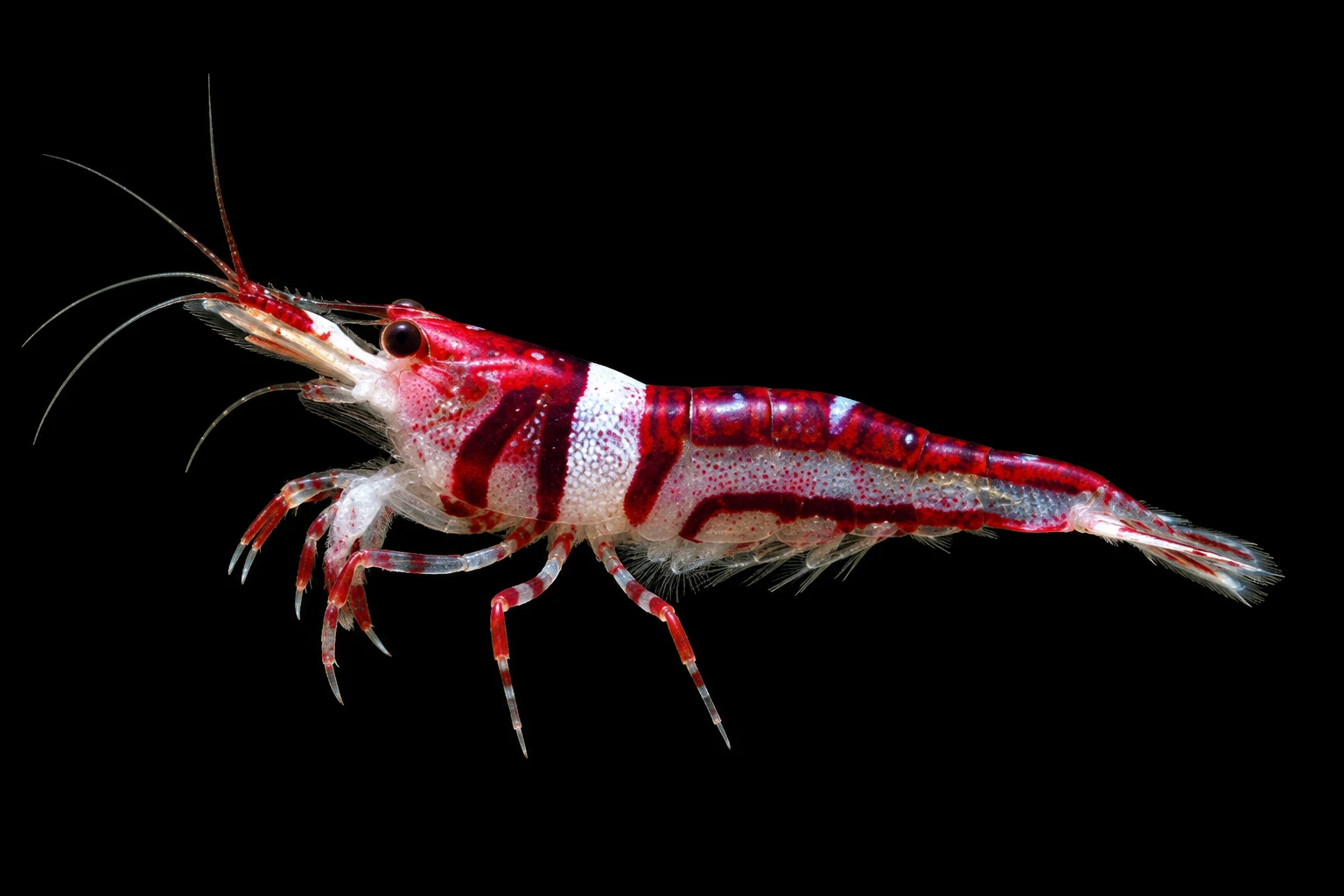
Caridina glaubrechti

Caridina glaubrechti

Red Orchid Shrimp

Origin
Lake Towuti, Malili lakes
Habitat evidence
Ancient lakes

Description

Examined series: up to 3.4 mm carapace; maximum total length unverified.Examined specimens · not an adult maximum

Temperature 27–31 °Chabitat record — not an aquarium target

Natural food: Species-specific food not verified.Prepared food: Acceptance unverified.

Biology: mature biofilter; species-specific microbial counts are not established.

Sources & limits

Maintain stable warm Towuti-style mineral water with oxygenation and mature rocks for grazing. Provide small stones and deeper shaded crevices; acclimate carefully and prevent abrupt water-quality changes.

Species-focused guidance · habitat inference, not a validated protocol

Malili lake observations only; not a validated aquarium range. Other water parameters and prepared-food acceptance for this species remain unverified.

Care is inferred from documented habitat; a complete species-specific aquarium protocol is not established.

Omitted parameters have no verified range in the sources checked. Habitat or experimental measurements are not safe keeping limits. GH, KH, TDS and conductivity are not interchangeable.

General system guidance: target free ammonia (NH₃) and nitrite (NO₂⁻) at 0 mg/L; account for test detection limits. These are chemical measurements, not microbial counts or each species’ tolerance limits. OATA · 2022. Assess biofilter function through waste processing and water tests, not clarity alone. Biofiltration reference.

Size checked: . Water/food checked: .

Reported CRDirect assessment review pending

Library profile · not for sale
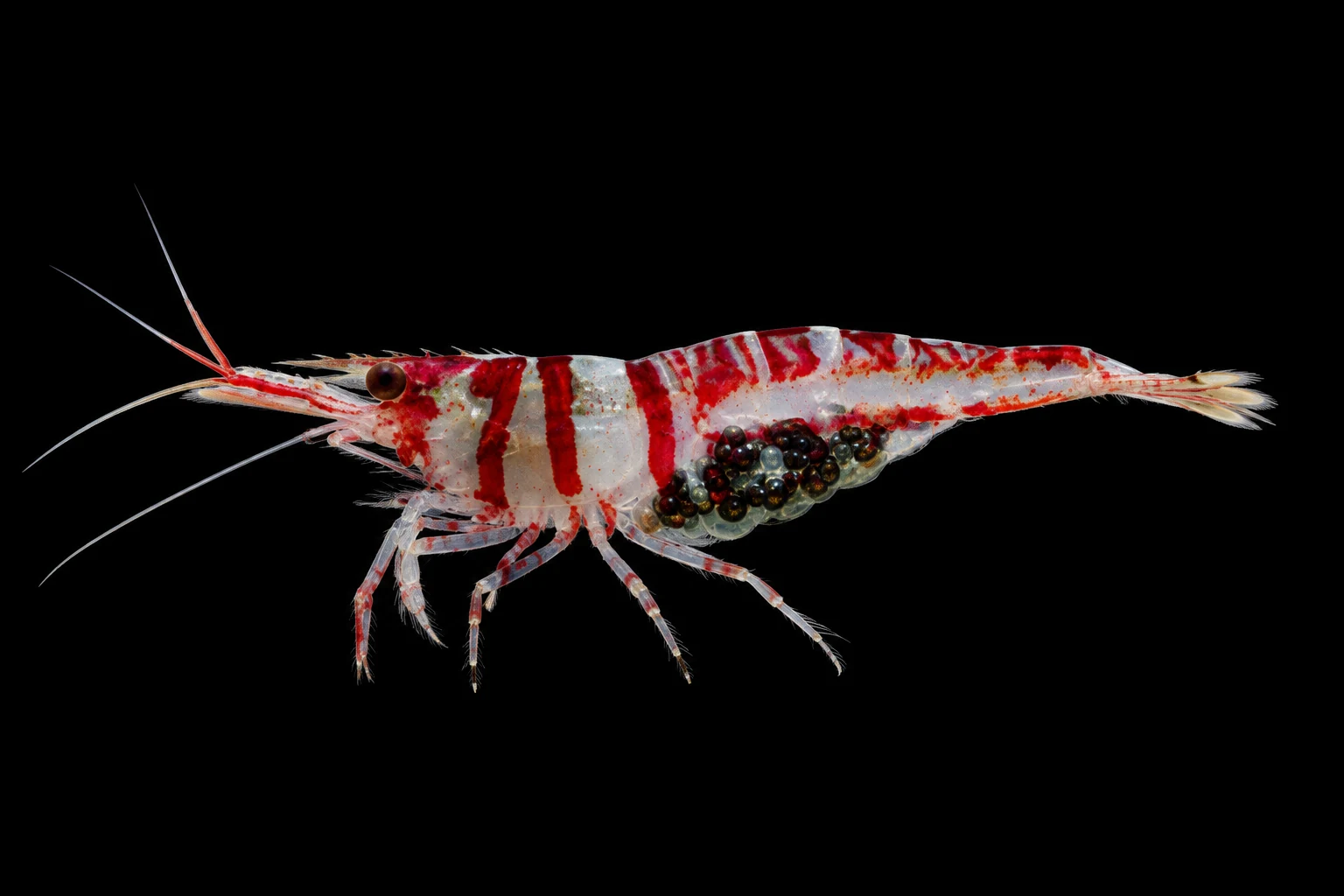
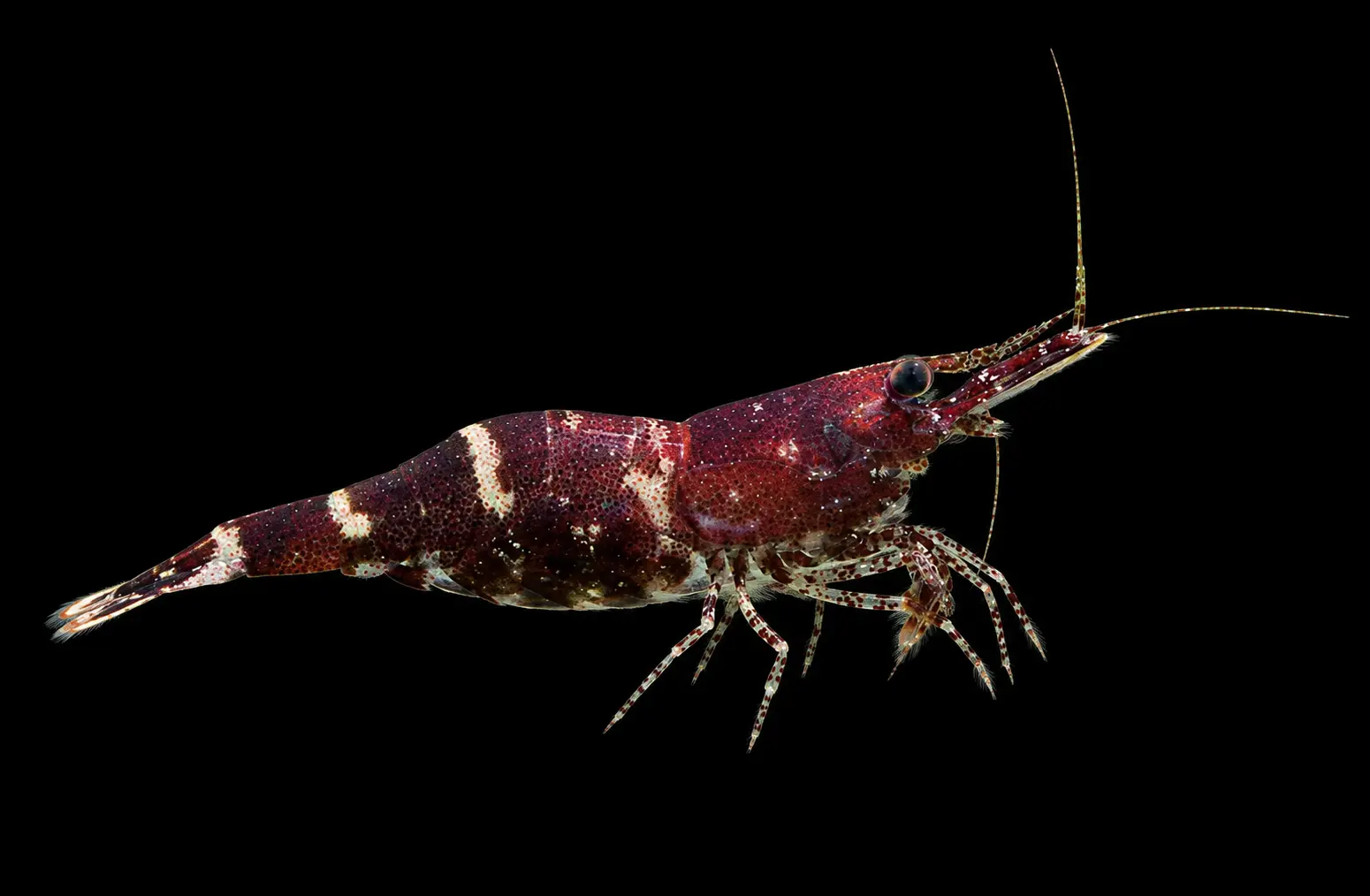
Caridina striata

Caridina striata

Red Line Sulawesi

Origin
Lakes Towuti and Mahalona, Malili lake system, Sulawesi
Habitat evidence
Ancient lakes

Description

Examined series: up to 3.8 mm carapace; maximum total length unverified.Examined specimens · not an adult maximum

Temperature 26–28 °C · pH 8.1–8.2 · TDS 250–300 ppmkeeper account for the named taxa

Natural food: Species-specific natural food unverified; leaf supplementation is a reported keeper practice.Prepared food: Powder shrimp feed; spirulina–leaf blend.Food guidance at group level

Biology: mature biofilter; species-specific microbial counts are not established.

Sources & limits

Provide mature rock surfaces and sheltered crevices reflecting Towuti or Mahalona habitat. Keep warm mineral water stable and well oxygenated; protect the shrimp from predators and abrupt acclimation changes.

Species-focused guidance · habitat inference, not a validated protocol

Reported keeper setup for named taxa; winter temperature controller range, not measured tolerance limits. Additional species-specific mineral and oxygen ranges remain unverified. TDS meter scale was not stated; do not convert this reading to GH or conductivity.

Care is inferred from documented habitat; a complete species-specific aquarium protocol is not established.

Omitted parameters have no verified range in the sources checked. Habitat or experimental measurements are not safe keeping limits. GH, KH, TDS and conductivity are not interchangeable.

General system guidance: target free ammonia (NH₃) and nitrite (NO₂⁻) at 0 mg/L; account for test detection limits. These are chemical measurements, not microbial counts or each species’ tolerance limits. OATA · 2022. Assess biofilter function through waste processing and water tests, not clarity alone. Biofiltration reference.

Size checked: . Water/food checked: .

IUCN CRCritically Endangered

Library profile · not for sale
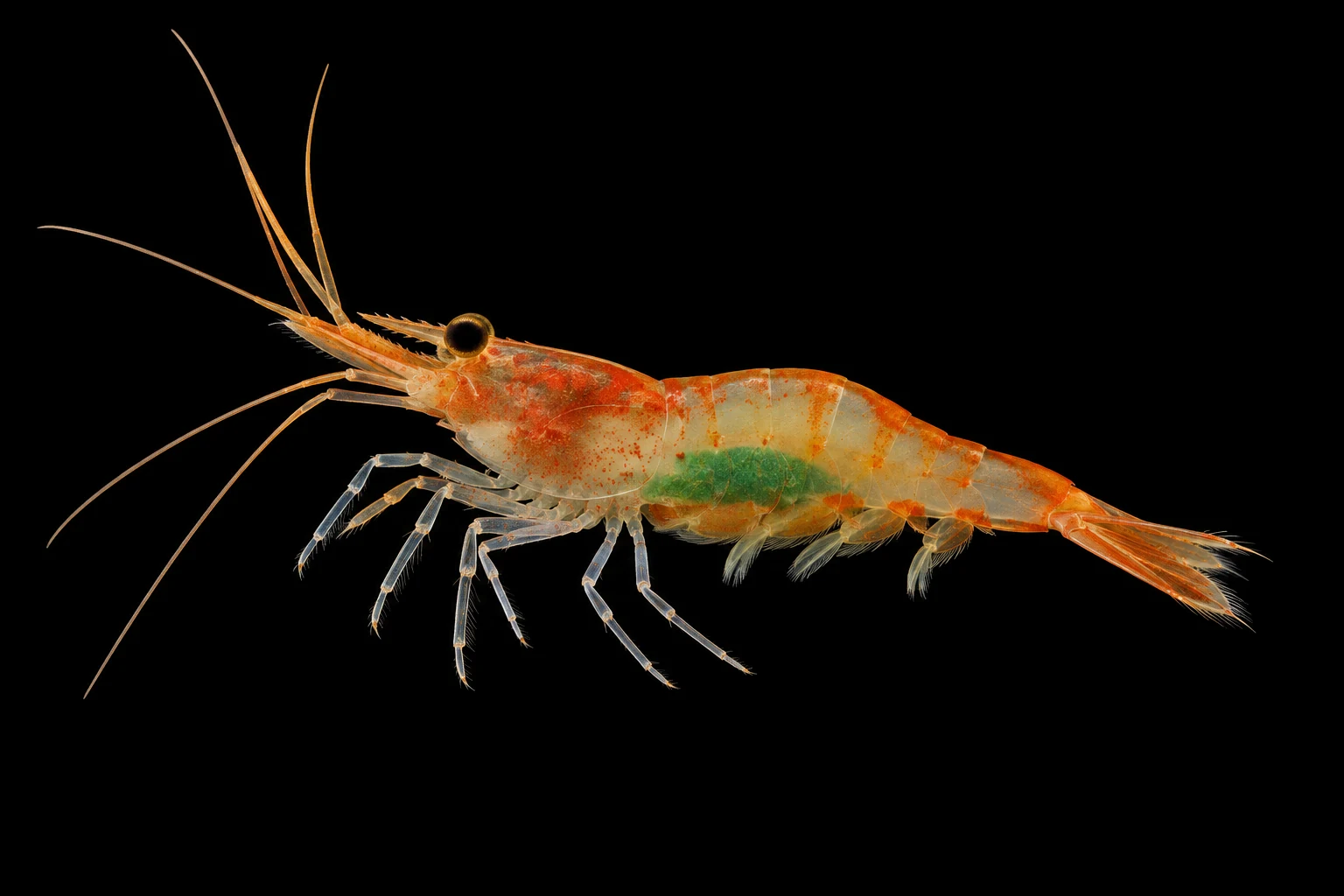
Caridina caerulea

Caridina caerulea

Blue Leg Poso Shrimp

Origin
Lake Poso, Central Sulawesi, Indonesia
Habitat evidence
Ancient lakes

Description

Examined series: up to 4.5 mm carapace; maximum total length unverified.Examined specimens · not an adult maximum

pH 8.0–8.2keeper account for the named taxa

Natural food: Established algae and biofilm.Prepared food: Finely ground pellets; spirulina powder.Food guidance at group level

Biology: mature biofilter; species-specific microbial counts are not established.

Sources & limits

Build a mature Poso-style habitat with biofilm-covered rocks and wood, some open swimming space, and steady oxygenation. Maintain stable lake-appropriate mineral water and supplement grazing with modest varied food.

Species-focused guidance · habitat inference, not a validated protocol

Named-species keeper report; pH is the tank’s daily range, not a verified tolerance range. Other numerical ranges are unverified; the source reports some single setpoints only.

Care is inferred from documented habitat; a complete species-specific aquarium protocol is not established.

Omitted parameters have no verified range in the sources checked. Habitat or experimental measurements are not safe keeping limits. GH, KH, TDS and conductivity are not interchangeable.

General system guidance: target free ammonia (NH₃) and nitrite (NO₂⁻) at 0 mg/L; account for test detection limits. These are chemical measurements, not microbial counts or each species’ tolerance limits. OATA · 2022. Assess biofilter function through waste processing and water tests, not clarity alone. Biofiltration reference.

Size checked: . Water/food checked: .

Reported VUDirect assessment review pending

Library profile · not for sale

Caridina ensifera

Caridina ensifera

Glass Poso Shrimp

Origin
Lake Poso, Central Sulawesi
Habitat evidence
Ancient lakes

Description

Examined series: up to 5.3 mm carapace; maximum total length unverified.Examined specimens · not an adult maximum

Specific water ranges are not yet verified.

Natural food: Species-specific food not verified.Prepared food: Acceptance unverified.

Biology: mature biofilter; species-specific microbial counts are not established.

Sources & limits

Allow open swimming space above varied mature substrates, reflecting this Poso shrimp’s pelagic groups. Keep warm lake-appropriate mineral water stable, provide biofilm and supplemental food, and exclude shrimp-eating fish.

Species-focused guidance · habitat inference, not a validated protocol

Numerical adult-water ranges and a species-specific feeding protocol remain unverified; do not borrow values from another species.

Care is inferred from documented habitat; a complete species-specific aquarium protocol is not established.

Omitted parameters have no verified range in the sources checked. Habitat or experimental measurements are not safe keeping limits. GH, KH, TDS and conductivity are not interchangeable.

General system guidance: target free ammonia (NH₃) and nitrite (NO₂⁻) at 0 mg/L; account for test detection limits. These are chemical measurements, not microbial counts or each species’ tolerance limits. OATA · 2022. Assess biofilter function through waste processing and water tests, not clarity alone. Biofiltration reference.

Size checked: . Water/food checked: .

Reported VUDirect assessment review pending

Library profile · not for sale

Caridina loehae

Caridina loehae

Mini Blue Bee / Red-banded Sulawesi Shrimp

Origin
Lake Matano, Petea River and Lake Towuti, Malili system, Sulawesi, Indonesia
Habitat evidence
Lakes and connecting waters

Description

Examined series: up to 2.9 mm carapace; maximum total length unverified.Examined specimens · not an adult maximum

Temperature 27–31 °Chabitat record — not an aquarium target

Natural food: Species-specific food not verified.Prepared food: Acceptance unverified.

Biology: mature biofilter; species-specific microbial counts are not established.

Sources & limits

Provide mature gravel and small stones with shaded gaps, reflecting shallow Malili habitats. Maintain stable warm mineral water and gentle oxygenation; limit disturbance and offer supplemental food without fouling the aquarium.

Species-focused guidance · habitat inference, not a validated protocol

Malili lake observations only; not a validated aquarium range. Other water parameters and prepared-food acceptance for this species remain unverified.

Care is inferred from documented habitat; a complete species-specific aquarium protocol is not established.

Omitted parameters have no verified range in the sources checked. Habitat or experimental measurements are not safe keeping limits. GH, KH, TDS and conductivity are not interchangeable.

General system guidance: target free ammonia (NH₃) and nitrite (NO₂⁻) at 0 mg/L; account for test detection limits. These are chemical measurements, not microbial counts or each species’ tolerance limits. OATA · 2022. Assess biofilter function through waste processing and water tests, not clarity alone. Biofiltration reference.

Size checked: . Water/food checked: .

Reported CRDirect assessment review pending

Library profile · not for sale

Caridina holthuisi

Caridina holthuisi

Six-banded Sulawesi Shrimp

Origin
Lakes Matano, Mahalona and Towuti, and Petea River, Sulawesi, Indonesia
Habitat evidence
Lakes and connecting waters

Description

Examined series: up to 3.8 mm carapace; maximum total length unverified.Examined specimens · not an adult maximum

Temperature 27–31 °Chabitat record — not an aquarium target

Natural food: Species-specific food not verified.Prepared food: Acceptance unverified.

Biology: mature biofilter; species-specific microbial counts are not established.

Sources & limits

Include clean leaf litter and mature plant or wood surfaces over soft substrate, reflecting Malili lake habitats. Keep warm mineral water stable, provide oxygenation, and avoid stripping away all grazing biofilm.

Species-focused guidance · habitat inference, not a validated protocol

Malili lake observations only; not a validated aquarium range. Other water parameters and prepared-food acceptance for this species remain unverified. River populations need separate locality evidence.

Care is inferred from documented habitat; a complete species-specific aquarium protocol is not established.

Omitted parameters have no verified range in the sources checked. Habitat or experimental measurements are not safe keeping limits. GH, KH, TDS and conductivity are not interchangeable.

General system guidance: target free ammonia (NH₃) and nitrite (NO₂⁻) at 0 mg/L; account for test detection limits. These are chemical measurements, not microbial counts or each species’ tolerance limits. OATA · 2022. Assess biofilter function through waste processing and water tests, not clarity alone. Biofiltration reference.

Size checked: . Water/food checked: .

Reported ENDirect assessment review pending

Library profile · not for sale

Caridina sarasinorum

Caridina sarasinorum

Sarasin’s Poso Shrimp

Origin
Lake Poso, Central Sulawesi
Habitat evidence
Ancient lakes

Description

Examined series: up to 3.6 mm carapace; maximum total length unverified.Examined specimens · not an adult maximum

Specific water ranges are not yet verified.

Natural food: Species-specific food not verified.Prepared food: Acceptance unverified.

Biology: mature biofilter; species-specific microbial counts are not established.

Sources & limits

Provide mature wood, leaf litter and aquatic plants reflecting Poso habitat. Maintain stable lake-appropriate mineral water with good oxygenation; preserve grazing surfaces and supplement food sparingly while checking that shrimp actively feed.

Species-focused guidance · habitat inference, not a validated protocol

Numerical adult-water ranges and a species-specific feeding protocol remain unverified; do not borrow values from another species.

Care is inferred from documented habitat; a complete species-specific aquarium protocol is not established.

Omitted parameters have no verified range in the sources checked. Habitat or experimental measurements are not safe keeping limits. GH, KH, TDS and conductivity are not interchangeable.

General system guidance: target free ammonia (NH₃) and nitrite (NO₂⁻) at 0 mg/L; account for test detection limits. These are chemical measurements, not microbial counts or each species’ tolerance limits. OATA · 2022. Assess biofilter function through waste processing and water tests, not clarity alone. Biofiltration reference.

Size checked: . Water/food checked: .

Reported VUDirect assessment review pending

Library profile · not for sale

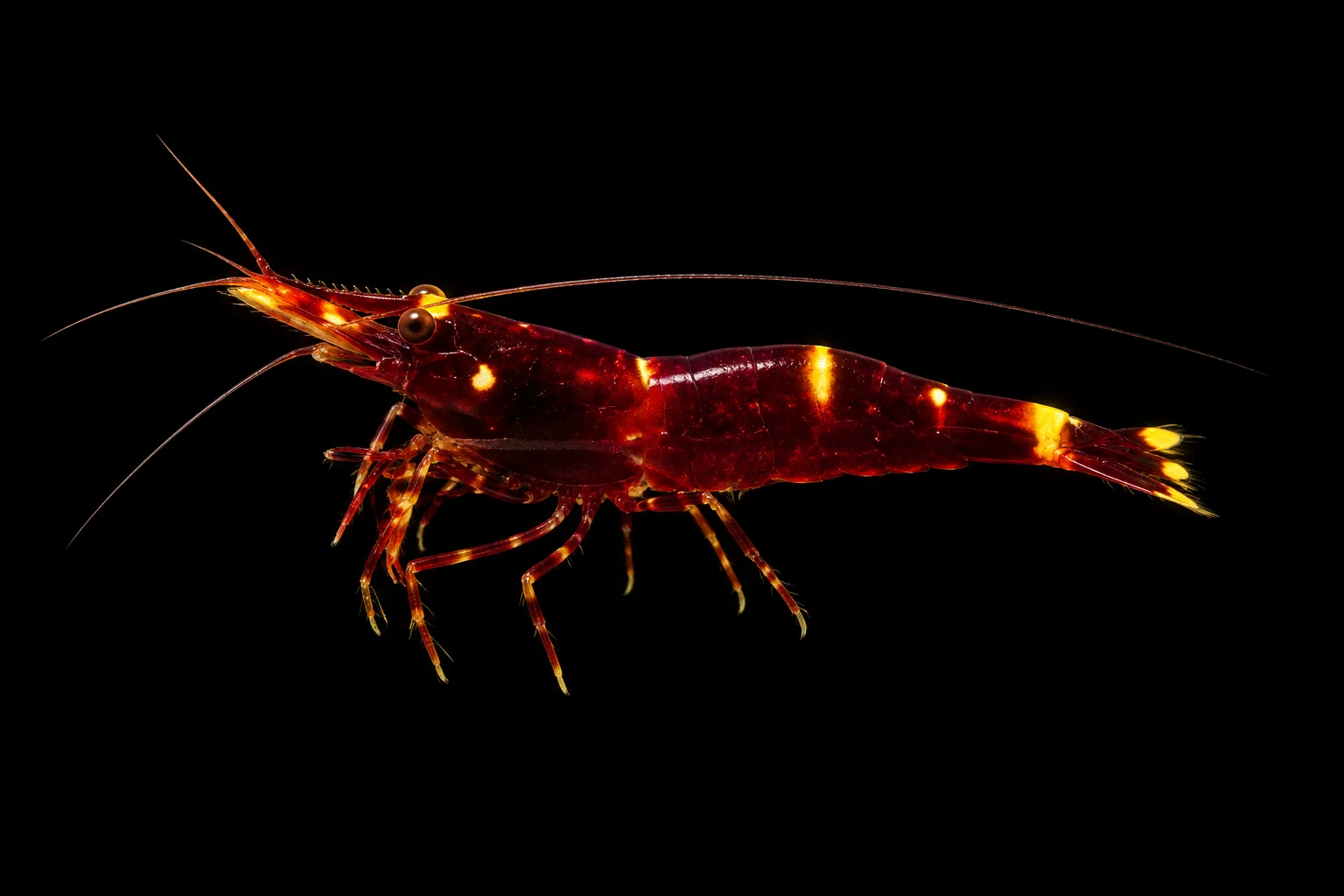
Caridina spinata

Caridina spinata

Yellow Stripe Sulawesi Shrimp

Origin
Lake Towuti, Sulawesi, Indonesia
Habitat evidence
Ancient lakes

Description

Examined series: up to 5 mm carapace; maximum total length unverified.Examined specimens · not an adult maximum

Temperature 26–28 °C · pH 8.1–8.2 · TDS 250–300 ppmkeeper account for the named taxa

Natural food: Species-specific natural food unverified; leaf supplementation is a reported keeper practice.Prepared food: Powder shrimp feed; spirulina–leaf blend.Food guidance at group level

Biology: mature biofilter; species-specific microbial counts are not established.

Sources & limits

Offer mature boulders and shaded rock crevices for adults, with smaller shelters for juveniles. Maintain stable warm Towuti-style mineral water and oxygenation; acclimate cautiously and prevent sudden temperature or chemistry changes.

Species-focused guidance · habitat inference, not a validated protocol

Reported keeper setup for named taxa; winter temperature controller range, not measured tolerance limits. Additional species-specific mineral and oxygen ranges remain unverified. TDS meter scale was not stated; do not convert this reading to GH or conductivity.

Care is inferred from documented habitat; a complete species-specific aquarium protocol is not established.

Omitted parameters have no verified range in the sources checked. Habitat or experimental measurements are not safe keeping limits. GH, KH, TDS and conductivity are not interchangeable.

General system guidance: target free ammonia (NH₃) and nitrite (NO₂⁻) at 0 mg/L; account for test detection limits. These are chemical measurements, not microbial counts or each species’ tolerance limits. OATA · 2022. Assess biofilter function through waste processing and water tests, not clarity alone. Biofiltration reference.

Size checked: . Water/food checked: .

Reported CRDirect assessment review pending

Library profile · not for sale

Caridina woltereckae

Caridina woltereckae

Harlequin / Celebes Beauty Shrimp

Origin
Lake Towuti, Sulawesi, Indonesia
Habitat evidence
Ancient lakes

Description

Examined series: up to 3.8 mm carapace; maximum total length unverified.Examined specimens · not an adult maximum

Temperature 27–31 °Chabitat record — not an aquarium target

Natural food: Species-specific food not verified.Prepared food: Acceptance unverified.

Biology: mature biofilter; species-specific microbial counts are not established.

Sources & limits

Provide established rock biofilm and sheltered crevices in stable warm Towuti-style mineral water. Maintain oxygenation, acclimate carefully, feed conservatively, and monitor grazing rather than treating colour alone as evidence of condition.

Species-focused guidance · habitat inference, not a validated protocol

Malili lake observations only; not a validated aquarium range. Other water parameters and prepared-food acceptance for this species remain unverified.

Care is inferred from documented habitat; a complete species-specific aquarium protocol is not established.

Omitted parameters have no verified range in the sources checked. Habitat or experimental measurements are not safe keeping limits. GH, KH, TDS and conductivity are not interchangeable.

General system guidance: target free ammonia (NH₃) and nitrite (NO₂⁻) at 0 mg/L; account for test detection limits. These are chemical measurements, not microbial counts or each species’ tolerance limits. OATA · 2022. Assess biofilter function through waste processing and water tests, not clarity alone. Biofiltration reference.

Size checked: . Water/food checked: .

Reported CRDirect assessment review pending

Library profile · not for sale

Caridina spongicola

Caridina spongicola

Sponge-associated Harlequin Shrimp

Origin
Outlet bay of Lake Towuti, Sulawesi, Indonesia
Habitat evidence
Ancient lakes

Description

Examined series: up to 2.8 mm carapace; maximum total length unverified.Examined specimens · not an adult maximum

Temperature 27–31 °Chabitat record — not an aquarium target

Natural food: Diatoms associated with its natural sponge host.Prepared food: Acceptance unverified for confirmed C. spongicola.

Biology: mature biofilter; species-specific microbial counts are not established.

Sources & limits

Treat as an advanced Towuti specialist associated with a natural freshwater sponge. Verify identification and a viable feeding plan before acquisition; maintain stable mineral water and monitor sustained feeding closely.

Species-focused guidance · habitat inference, not a validated protocol

Habitat temperature only. Gut observations found diatoms, not sponge tissue; do not present this shrimp as a sponge-eater or aquarium sponge filters as host substitutes.

Strict sponge association is documented in its restricted natural habitat. An aquarium sponge filter is not evidence of a substitute host or a validated captive-care method.

Omitted parameters have no verified range in the sources checked. Habitat or experimental measurements are not safe keeping limits. GH, KH, TDS and conductivity are not interchangeable.

General system guidance: target free ammonia (NH₃) and nitrite (NO₂⁻) at 0 mg/L; account for test detection limits. These are chemical measurements, not microbial counts or each species’ tolerance limits. OATA · 2022. Assess biofilter function through waste processing and water tests, not clarity alone. Biofiltration reference.

Size checked: . Water/food checked: .

Reported CRDirect assessment review pending

Library profile · not for sale

Caridina profundicola

Caridina profundicola

Sun Stripe Sulawesi Shrimp

Origin
Lake Towuti, Sulawesi, Indonesia
Habitat evidence
Ancient lakes

Description

Examined series: up to 4.9 mm carapace; maximum total length unverified.Examined specimens · not an adult maximum

Temperature 27–31 °Chabitat record — not an aquarium target

Natural food: Species-specific food not verified.Prepared food: Acceptance unverified.

Biology: mature biofilter; species-specific microbial counts are not established.

Sources & limits

Provide mature large rocks and shaded crevices for this deeper-water Towuti specialist, plus smaller juvenile shelters. Maintain stable warm mineral water with oxygenation; avoid abrupt changes and confirm regular feeding.

Species-focused guidance · habitat inference, not a validated protocol

Malili lake observations only; not a validated aquarium range. Other water parameters and prepared-food acceptance for this species remain unverified.

Care is inferred from documented habitat; a complete species-specific aquarium protocol is not established.

Omitted parameters have no verified range in the sources checked. Habitat or experimental measurements are not safe keeping limits. GH, KH, TDS and conductivity are not interchangeable.

General system guidance: target free ammonia (NH₃) and nitrite (NO₂⁻) at 0 mg/L; account for test detection limits. These are chemical measurements, not microbial counts or each species’ tolerance limits. OATA · 2022. Assess biofilter function through waste processing and water tests, not clarity alone. Biofiltration reference.

Size checked: . Water/food checked: .

Reported CRDirect assessment review pending

Library profile · not for sale

Explore freely. Orders, prices and availability have not opened yet.

Page 1 of 3 · 26 matching catalogue records

Varieties and trade names.

Varieties and trade names.

Colour forms and common names are grouped under their species. They are not counted as additional species. Captive-line names do not establish native locality, stable inheritance or conservation value.

Caridina dennerli

  • Cardinal / White SocksCommon names

    Names for the typical red, white-spotted species; not separate taxa. Source

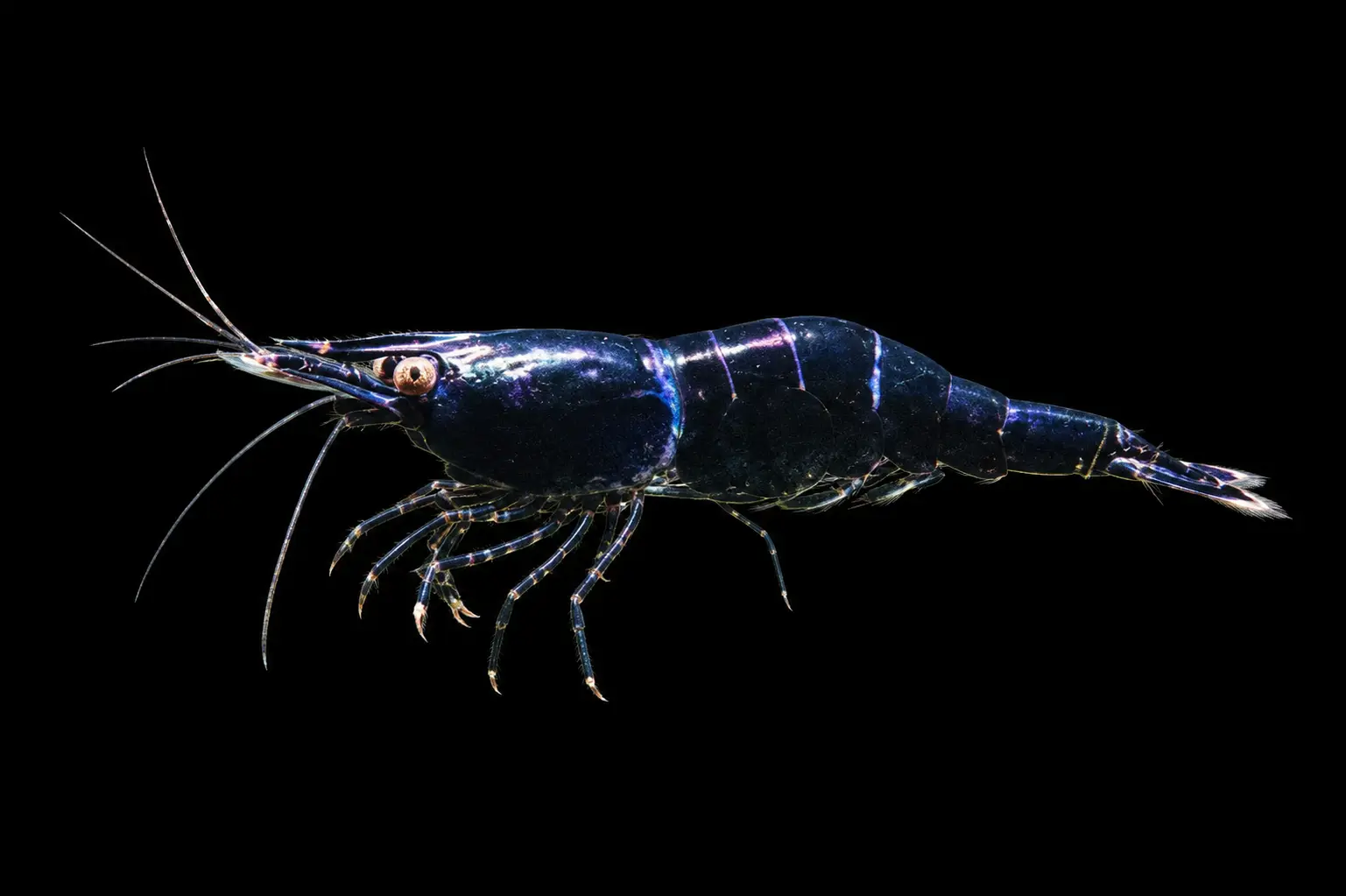
  • Blue GhostReported captive colour line

    Reported as a captive C. dennerli line. A temporary blue stress response in wild-type animals does not prove Blue Ghost ancestry or stable inheritance. Source

Caridina glaubrechti

  • Red Orchid / Brown CamoCommon names

    Both names are used for C. glaubrechti. Red Orchid Zebra is separately treated as an unresolved trade identity. Source

Caridina striata

  • Red Line SulawesiCommon name

    LIMNIC uses Red Line Sulawesi for this described species. A trade label alone does not authenticate a specimen. Source

Caridina caerulea

  • Blue Leg PosoCommon name

    Blue appendages and tail markings describe the usual wild appearance. Colour alone does not authenticate captive specimens; the 2021 identification key cautions against applying it to captive-bred shrimp. Source

Caridina ensifera

  • Glass Poso / Red-tail PosoCommon or descriptive names

    Red tail-fan spots belong to this species; White Orchid is assigned to C. poso. Source

Caridina loehae

  • Red-banded form / Mini Blue BeeTrade and colour terminology

    Mini Blue Bee is reported in trade. The revision documents red animals turning blue under stress, so blue colour alone does not establish a distinct breeding line. Source

Caridina holthuisi

  • Six Banded / Matano TigerCommon names

    A Matano trade name does not mean the species is restricted to Matano. Source

  • Pale transverse bands / dorsal stripeNatural pattern variation

    Different pale patterns were recorded in the species description, without formal varietal status. Source

Caridina spinata

  • Yellow Stripe / Yellow CheeksTrade form

    Appearance labels associated with C. spinata; not formal varieties or subspecies. Source

  • Yellow Ring / Yellow SpottedTrade form

    Aquarium labels for yellow patterning. Identity and line stability need breeder records. Source

  • Yellow NoseTrade form

    Named for yellow facial markings in the trade; not a separately described species. Source

Caridina woltereckae

  • Harlequin / Celebes BeautyCommon names

    Often confused in trade with the distinct sponge-associated C. spongicola. Source

Caridina spongicola

  • Sponge HarlequinDescriptive name

    Harlequin is shared with C. woltereckae; use the scientific name and documented habitat. Source

Caridina poso

  • White OrchidCommon name

    A distinct species described in 2021, not a variety of C. ensifera. Source

Caridina marlenae

  • Spotty Red / Crystal Red PosoCommon names

    A Sulawesi species, unrelated to the use of Crystal Red as a bee-shrimp breeding-line label. Source

Caridina fusca

  • Dark red-brown, white-bandedNatural appearance

    No formally described subspecies or verified commercial colour lines are established here. Source

Caridina mayamareenae

  • Red-and-white female / translucent maleSex-related variation

    Colour differences between sexes must not be sold as distinct species or stable grades. Source

Caridina parvula

  • Pale red / temporary blueNatural and stress-related appearance

    Blue after disturbance is not evidence of a heritable Blue variety. Source

Trade identities still unresolved.

Trade identities still unresolved.

These names appear in aquarium reports. They are included for recognition, with no invented scientific identity or species-specific conservation category.

Tigri / Red Tiger

Caridina sp. “Tigri”

Unresolved aquarium identity. No formal species name is assigned; red or brown tiger patterns do not prove a described taxon.

Read the original report

Red Orchid Zebra / Aristocrat

Caridina sp. “aristocrat”

Reported trade identity; not treated as a confirmed variety of C. glaubrechti.

Read the original report

Red Line Yellow Tail

Caridina sp.

Unresolved trade identity. A name resembling Red Line is insufficient to assign it to C. striata.

Read the original report

Yellow Socks

Reported captive hybrid

Keeper reports describe crosses involving C. spinata and C. dennerli. This is not a native species or a genetically verified conservation line.

Read the original report
Sulawesi biodiversity register.

Sulawesi biodiversity register.

This catalogue is supplemented by research records from other Sulawesi waters and satellite islands. Cave and poorly documented aquarium species remain research records; inclusion does not establish ornamental suitability or availability.

26 species profiles · 17 supplementary research records

Other Sulawesi waters and satellite islands

17 taxa

Caridina boehmei

Central Sulawesi rivers

Riverine species; captive husbandry and visual identity require further verification.

Scientific record

Caridina butonensis

Buton Island streams

Island stream endemic; not a Poso or Malili lake species.

Scientific record

Caridina laroeha

Laroeha River, Sulawesi

Riverine endemic with a locality-specific scientific record.

Scientific record

Caridina leclerci

Maros subterranean waters

Cave specialist; included for biodiversity coverage, not proposed as an ornamental stock line.

Scientific record

Caridina linduensis

Lake Lindu

True lake inhabitant; distinguish from the two species described in the same revision.

Scientific record

Caridina dali

Lake Lindu and associated streams

Uses lake and stream habitats.

Scientific record

Caridina kaili

Streams around Lake Lindu

Obligate stream species rather than a lake inhabitant.

Scientific record

Gracidina longifrons

Maros, South Sulawesi

Listed as Caridina longifrons in older sources; accepted genus is Gracidina.

Scientific record

Caridina opaensis

Southeast Sulawesi

A separate described species; older Malili identifications require care.

Scientific record

Caridina pareparensis

Southern Sulawesi

Do not merge automatically with C. parvidentata.

Scientific record

Caridina parvidentata

Sulawesi, including the Napu Valley

Often associated with the Malawa trade name. Verify provenance and accepted identity instead of relying on the older compound name C. pareparensis parvidentata.

Scientific record

Caridina sulawesi

Maros and other Sulawesi river records

A species name, not a collective scientific name for every Sulawesi shrimp.

Scientific record

Caridina thomasi

Peleng Island

Satellite-island endemic; not a Malili lake species.

Scientific record

Caridina clandestina

Napu Valley, upper Lariang watershed

Described in 2023. Two feeding-appendage forms support scraping or filtering; they are not different species or sex-specific colour lines.

Scientific record

Marosina brevirostris

Maros subterranean rivers

Cave biodiversity record; ornamental suitability not established.

Scientific record

Marosina longirostris

Maros subterranean rivers

Cave biodiversity record; ornamental suitability not established.

Scientific record

Parisia deharvengi

Tanette cave, Maros

Cave biodiversity record; ornamental suitability not established.

Scientific record

Taxonomic scope follows Klotz et al. (2021) for Lake Poso and von Rintelen & Cai (2009) for the Malili system.

Research sources.

Research sources.

Taxonomy and ecology follow scientific revisions. Colour-line names follow identified aquarium observers. Conservation badges retain their assessment dates; an unverified assessment is not a low-risk finding.

  1. von Rintelen, K. & Cai, Y. (2009). Systematic revision of Caridina from the ancient lakes of Sulawesi. Raffles Bulletin of Zoology 57(2): 343–452.
  2. Klotz, W., von Rintelen, T., Wowor, D., Lukhaup, C. & von Rintelen, K. (2021). Lake Poso’s shrimp fauna revisited. ZooKeys 1009: 81–122.
  3. Sun, J. (2025). Sulawesi shrimp hobby in China. Sulawesi Keepers. First-hand aquarium names and breeding observations, not a taxonomic revision.
  4. Rejlková, M. & Sun, J. (2025). Crossbreeding Sulawesi shrimps. Sulawesi Keepers. Keeper-reported crosses; not controlled genetic verification.
  5. IUCN Red List. Species assessments: category, assessment date and qualifiers are linked individually from each conservation badge.
All shrimp collectionsFish & Shrimp Foods