Species library · Explore freely. Orders are not open.

NEOCARIDINA COLLECTION

Neocaridina Shrimp

A planned Neocaridina collection, bringing together ornamental colour lines with clear identity and thoughtful freshwater care.

Enter the species journeyCollection in preparation

Colour, with clarity.

We are developing profiles that document each confirmed line, its appearance, and its care requirements. Actual photographs and availability will be shared when the collection is ready.

Established colour-line references.

Trade names describe selective lines of Neocaridina davidi, not separate species. Colour, grade, and lineage must be verified from actual breeding records before any future listing.

8 records

Reading descriptions & sources

Fish SL excludes the tail fin; TL follows source endpoints, usually to the tail tip. CL measures the carapace only. Values are not converted between methods. Where a maximum is unverified, the largest examined specimen remains labelled as a specimen, not an adult maximum or a guaranteed final size.

Water ranges retain their source and scope: species, genus or group. Habitat measurements and experimental conditions are labelled separately from aquarium guidance. Missing numbers are not estimated. Prepared food is not always accepted; adapt food size to life stage and check feeding response. This summary does not replace system planning, quarantine, compatibility or adult space.

Neocaridina davidi

Neocaridina davidi

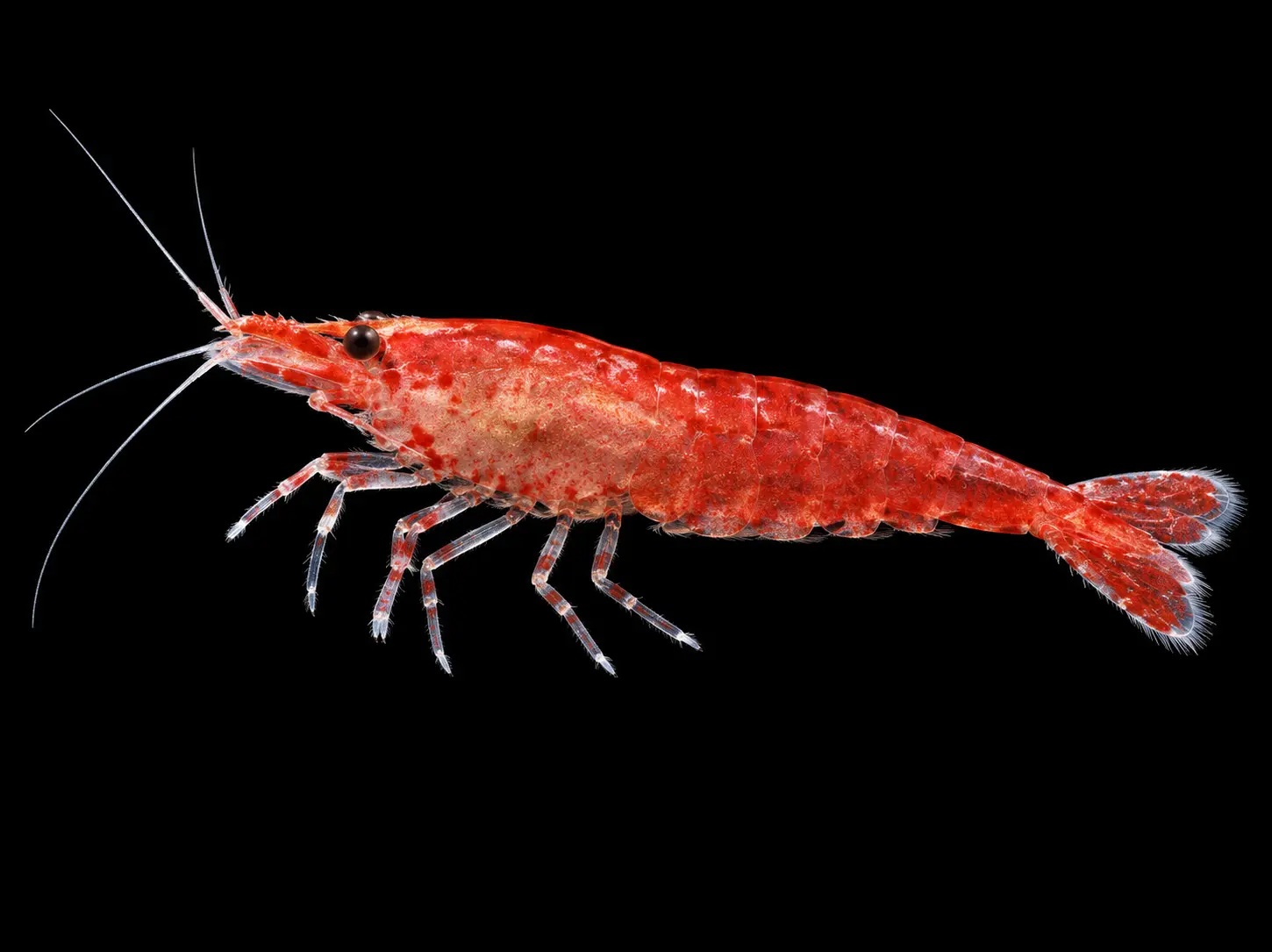
Red Cherry

Origin
Captive-bred ornamental line; ancestral species native to East Asia
Habitat evidence
Habitat review pending

Description

Reported adult maximum: 4 cm; length method unspecified.

Temperature 22–26 °Cspecies guidance

Natural food: Algae; biofilm; detritus.Prepared food: Shrimp pellets; spirulina flakes.Food guidance at group level

Biology: mature biofilter; species-specific microbial counts are not established.

Sources & limits

Use a mature planted freshwater aquarium with biofilm, stable mineral content and shrimp-safe filtration. Supplement grazing with small varied meals, avoid copper exposure and predators, and keep colour lines separate when preserving a strain.

Temperature uses the government guide’s red-cherry category (historical trade naming). Food is group guidance; verify the breeder’s established mineral conditions. No separate strain optimum is asserted.

The eight listed colour strains belong to the same catalog species; the 3–4 cm species account does not establish a separate maximum for every strain.

Omitted parameters have no verified range in the sources checked. Habitat or experimental measurements are not safe keeping limits. GH, KH, TDS and conductivity are not interchangeable.

General system guidance: target free ammonia (NH₃) and nitrite (NO₂⁻) at 0 mg/L; account for test detection limits. These are chemical measurements, not microbial counts or each species’ tolerance limits. OATA · 2022. Assess biofilter function through waste processing and water tests, not clarity alone. Biofiltration reference.

Size checked: . Water/food checked: .

Status reviewAssessment not verified

Library profile · not for sale

Neocaridina davidi

Neocaridina davidi

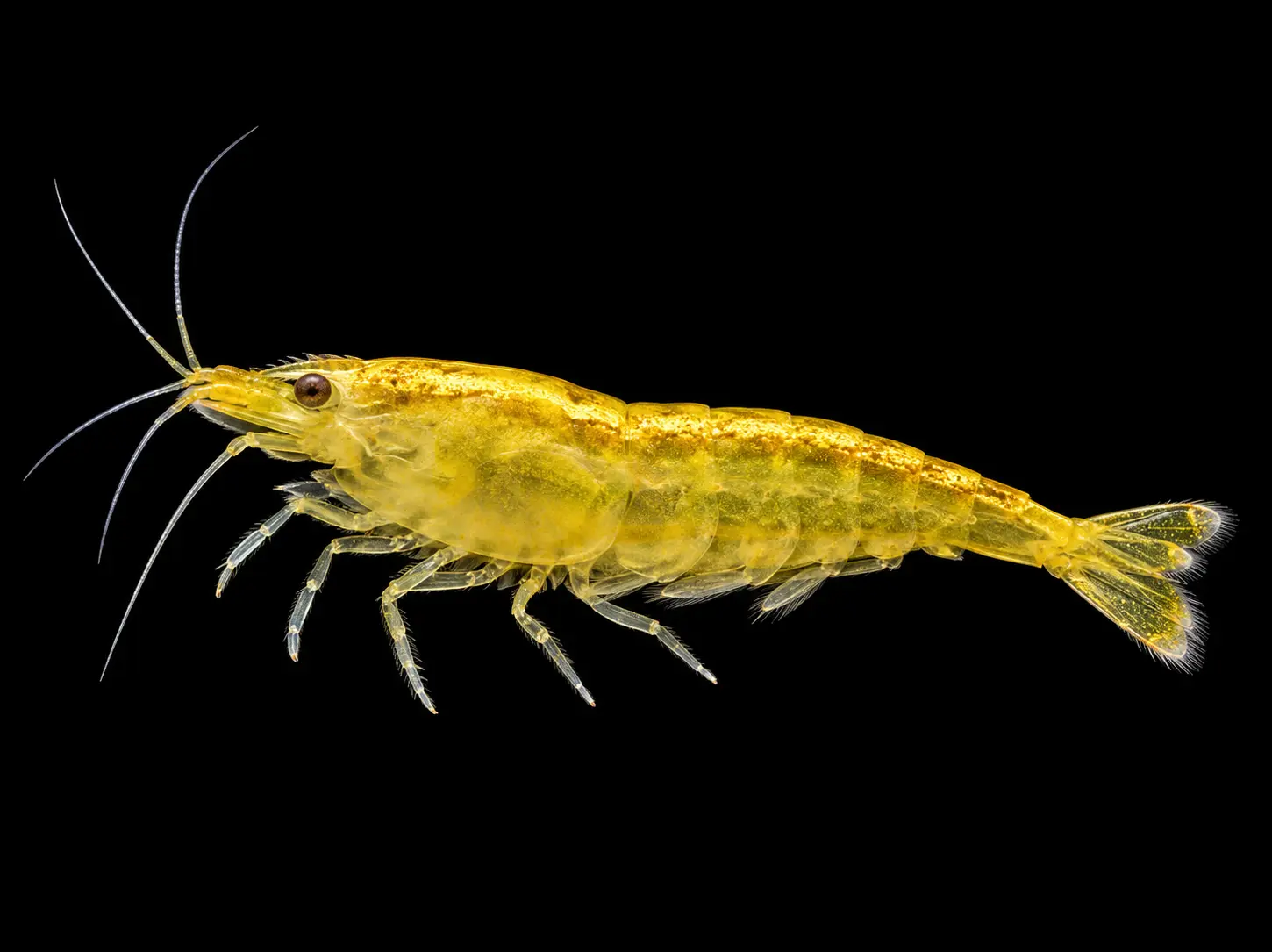
Yellow Goldenback

Origin
Captive-bred ornamental line; ancestral species native to East Asia
Habitat evidence
Habitat review pending

Description

Reported adult maximum: 4 cm; length method unspecified.

Temperature 22–26 °Cspecies guidance

Natural food: Algae; biofilm; detritus.Prepared food: Shrimp pellets; spirulina flakes.Food guidance at group level

Biology: mature biofilter; species-specific microbial counts are not established.

Sources & limits

Use a mature planted freshwater aquarium with biofilm, stable mineral content and shrimp-safe filtration. Supplement grazing with small varied meals, avoid copper exposure and predators, and keep colour lines separate when preserving a strain.

Temperature uses the government guide’s red-cherry category (historical trade naming). Food is group guidance; verify the breeder’s established mineral conditions. No separate strain optimum is asserted.

The eight listed colour strains belong to the same catalog species; the 3–4 cm species account does not establish a separate maximum for every strain.

Omitted parameters have no verified range in the sources checked. Habitat or experimental measurements are not safe keeping limits. GH, KH, TDS and conductivity are not interchangeable.

General system guidance: target free ammonia (NH₃) and nitrite (NO₂⁻) at 0 mg/L; account for test detection limits. These are chemical measurements, not microbial counts or each species’ tolerance limits. OATA · 2022. Assess biofilter function through waste processing and water tests, not clarity alone. Biofiltration reference.

Size checked: . Water/food checked: .

Status reviewAssessment not verified

Library profile · not for sale

Neocaridina davidi

Neocaridina davidi

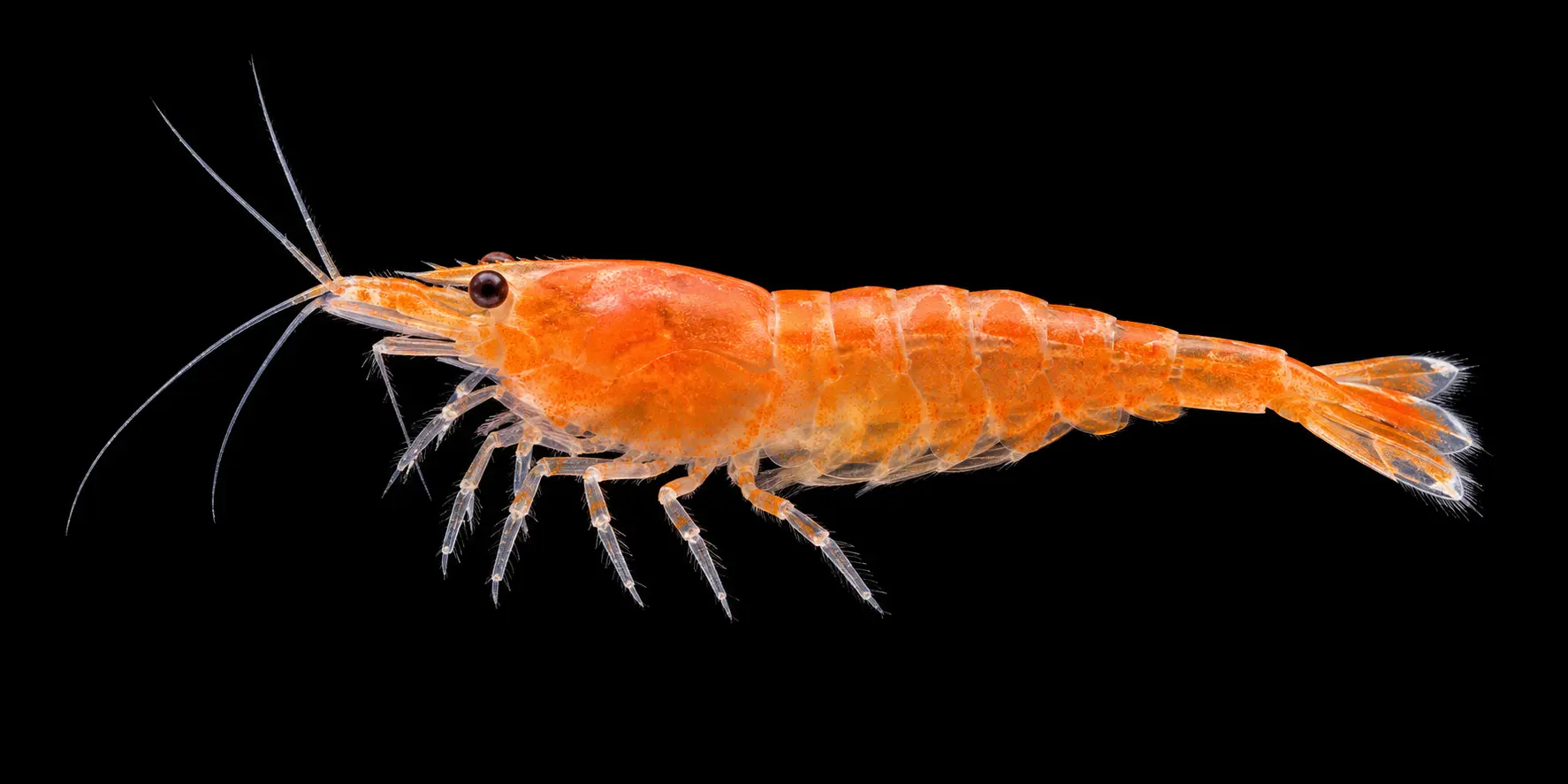
Orange Sakura

Origin
Captive-bred ornamental line; ancestral species native to East Asia
Habitat evidence
Habitat review pending

Description

Reported adult maximum: 4 cm; length method unspecified.

Temperature 22–26 °Cspecies guidance

Natural food: Algae; biofilm; detritus.Prepared food: Shrimp pellets; spirulina flakes.Food guidance at group level

Biology: mature biofilter; species-specific microbial counts are not established.

Sources & limits

Use a mature planted freshwater aquarium with biofilm, stable mineral content and shrimp-safe filtration. Supplement grazing with small varied meals, avoid copper exposure and predators, and keep colour lines separate when preserving a strain.

Temperature uses the government guide’s red-cherry category (historical trade naming). Food is group guidance; verify the breeder’s established mineral conditions. No separate strain optimum is asserted.

The eight listed colour strains belong to the same catalog species; the 3–4 cm species account does not establish a separate maximum for every strain.

Omitted parameters have no verified range in the sources checked. Habitat or experimental measurements are not safe keeping limits. GH, KH, TDS and conductivity are not interchangeable.

General system guidance: target free ammonia (NH₃) and nitrite (NO₂⁻) at 0 mg/L; account for test detection limits. These are chemical measurements, not microbial counts or each species’ tolerance limits. OATA · 2022. Assess biofilter function through waste processing and water tests, not clarity alone. Biofiltration reference.

Size checked: . Water/food checked: .

Status reviewAssessment not verified

Library profile · not for sale

Neocaridina davidi

Neocaridina davidi

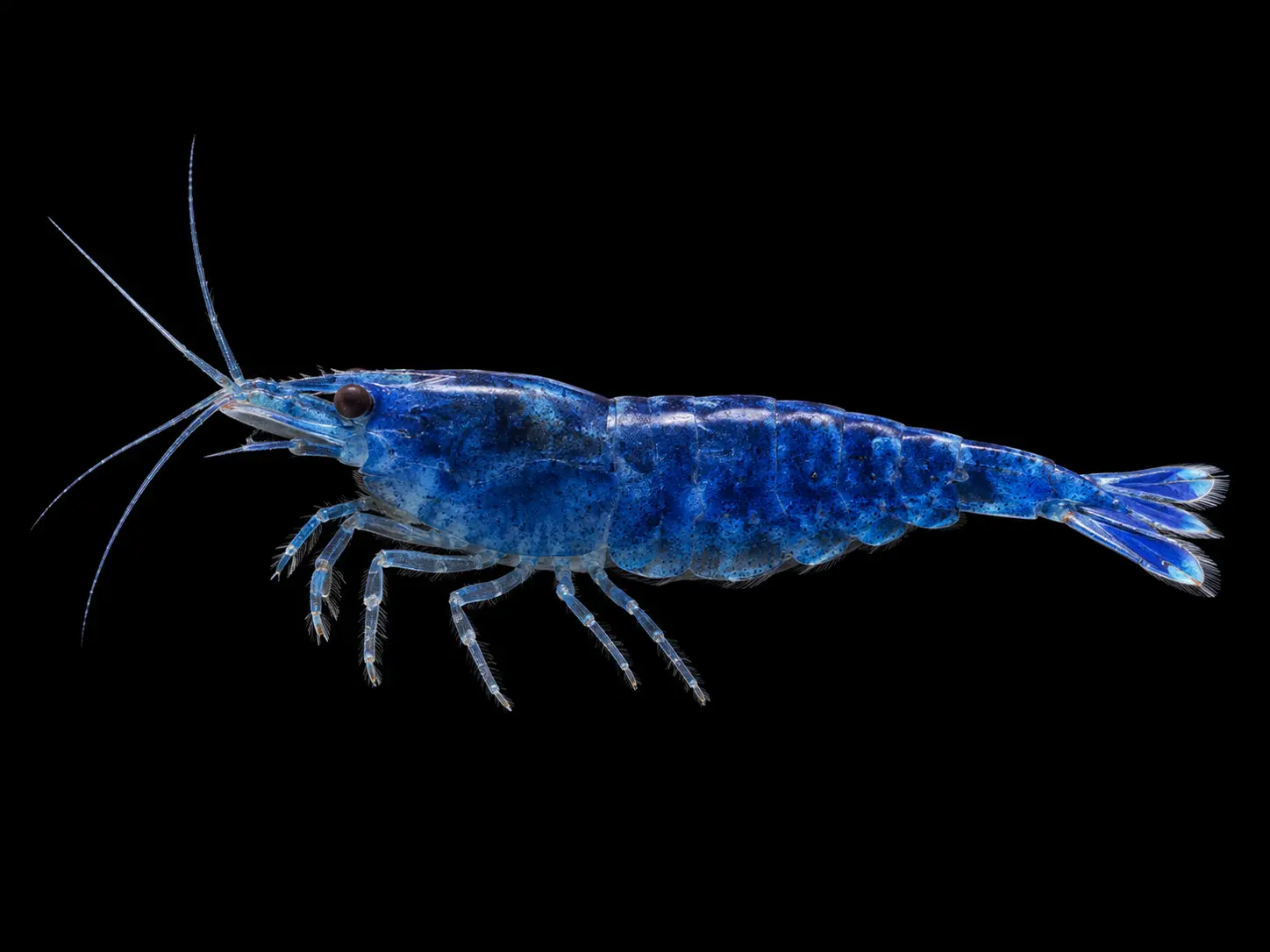
Blue Dream

Origin
Captive-bred ornamental line; ancestral species native to East Asia
Habitat evidence
Habitat review pending

Description

Reported adult maximum: 4 cm; length method unspecified.

Temperature 22–26 °Cspecies guidance

Natural food: Algae; biofilm; detritus.Prepared food: Shrimp pellets; spirulina flakes.Food guidance at group level

Biology: mature biofilter; species-specific microbial counts are not established.

Sources & limits

Use a mature planted freshwater aquarium with biofilm, stable mineral content and shrimp-safe filtration. Supplement grazing with small varied meals, avoid copper exposure and predators, and keep colour lines separate when preserving a strain.

Temperature uses the government guide’s red-cherry category (historical trade naming). Food is group guidance; verify the breeder’s established mineral conditions. No separate strain optimum is asserted.

The eight listed colour strains belong to the same catalog species; the 3–4 cm species account does not establish a separate maximum for every strain.

Omitted parameters have no verified range in the sources checked. Habitat or experimental measurements are not safe keeping limits. GH, KH, TDS and conductivity are not interchangeable.

General system guidance: target free ammonia (NH₃) and nitrite (NO₂⁻) at 0 mg/L; account for test detection limits. These are chemical measurements, not microbial counts or each species’ tolerance limits. OATA · 2022. Assess biofilter function through waste processing and water tests, not clarity alone. Biofiltration reference.

Size checked: . Water/food checked: .

Status reviewAssessment not verified

Library profile · not for sale

Neocaridina davidi

Neocaridina davidi

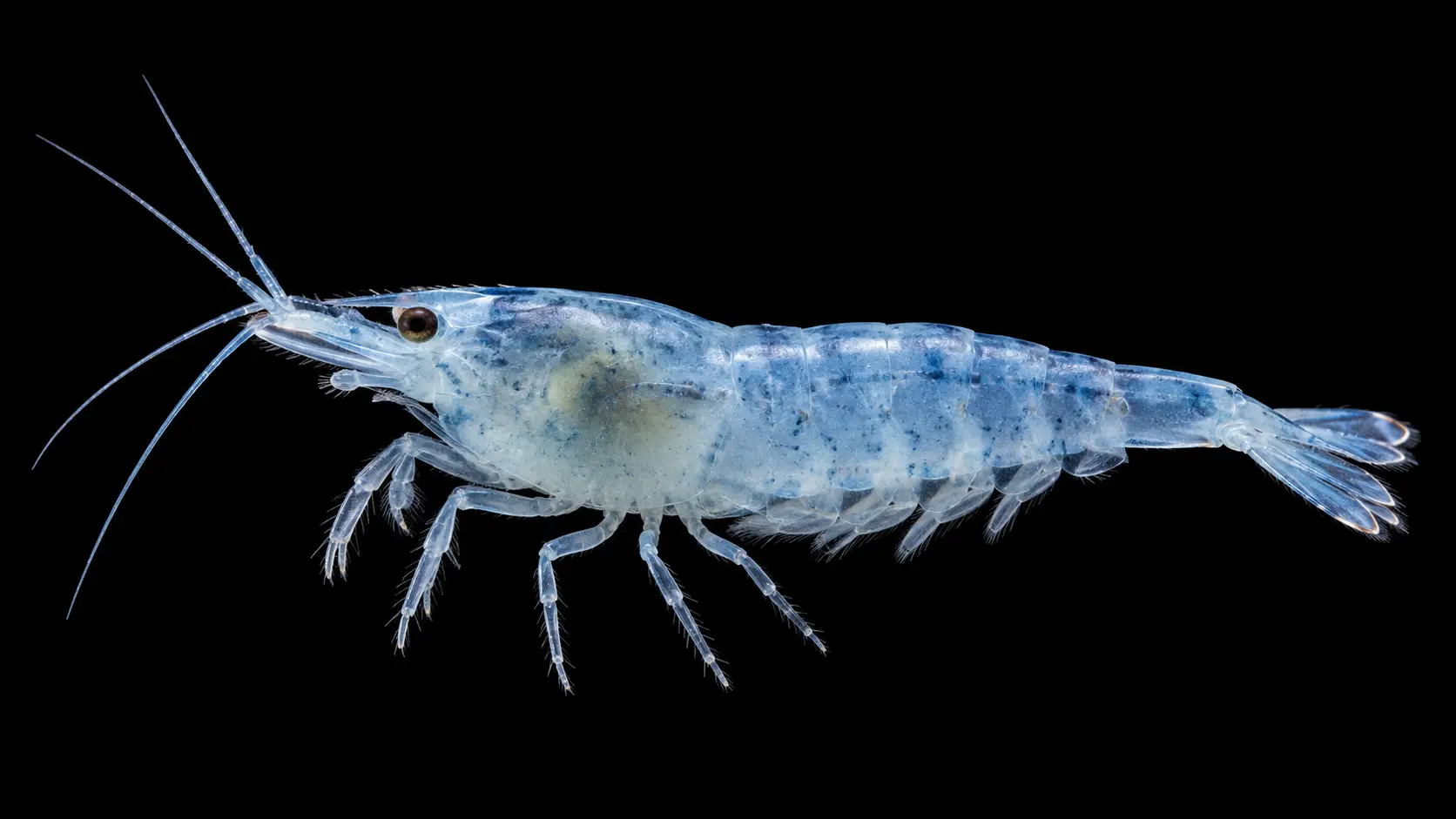
Blue Jelly

Origin
Captive-bred ornamental line; ancestral species native to East Asia
Habitat evidence
Habitat review pending

Description

Reported adult maximum: 4 cm; length method unspecified.

Temperature 22–26 °Cspecies guidance

Natural food: Algae; biofilm; detritus.Prepared food: Shrimp pellets; spirulina flakes.Food guidance at group level

Biology: mature biofilter; species-specific microbial counts are not established.

Sources & limits

Use a mature planted freshwater aquarium with biofilm, stable mineral content and shrimp-safe filtration. Supplement grazing with small varied meals, avoid copper exposure and predators, and keep colour lines separate when preserving a strain.

Temperature uses the government guide’s red-cherry category (historical trade naming). Food is group guidance; verify the breeder’s established mineral conditions. No separate strain optimum is asserted.

The eight listed colour strains belong to the same catalog species; the 3–4 cm species account does not establish a separate maximum for every strain.

Omitted parameters have no verified range in the sources checked. Habitat or experimental measurements are not safe keeping limits. GH, KH, TDS and conductivity are not interchangeable.

General system guidance: target free ammonia (NH₃) and nitrite (NO₂⁻) at 0 mg/L; account for test detection limits. These are chemical measurements, not microbial counts or each species’ tolerance limits. OATA · 2022. Assess biofilter function through waste processing and water tests, not clarity alone. Biofiltration reference.

Size checked: . Water/food checked: .

Status reviewAssessment not verified

Library profile · not for sale

Neocaridina davidi

Neocaridina davidi

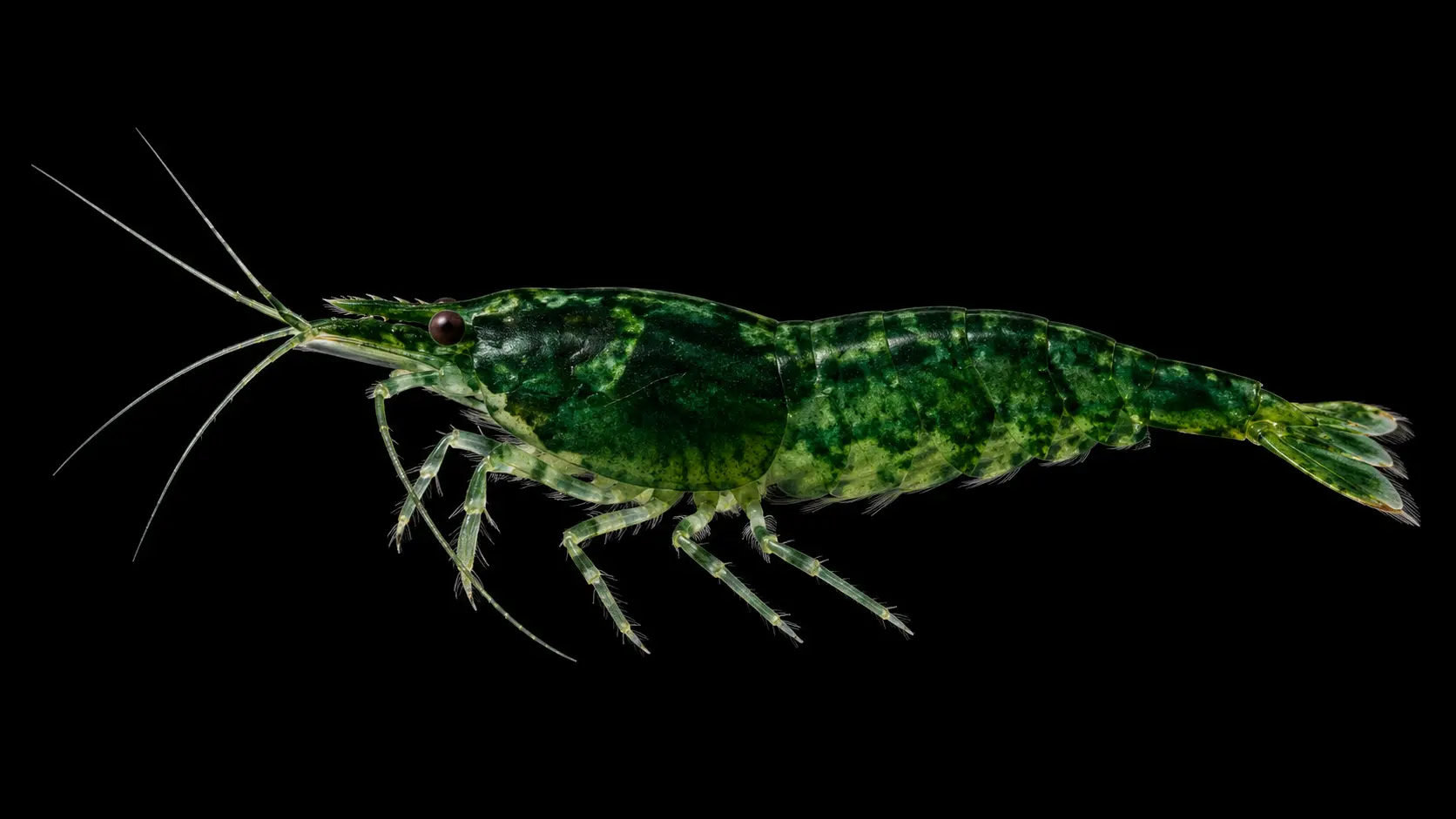
Green Jade

Origin
Captive-bred ornamental line; ancestral species native to East Asia
Habitat evidence
Habitat review pending

Description

Reported adult maximum: 4 cm; length method unspecified.

Temperature 22–26 °Cspecies guidance

Natural food: Algae; biofilm; detritus.Prepared food: Shrimp pellets; spirulina flakes.Food guidance at group level

Biology: mature biofilter; species-specific microbial counts are not established.

Sources & limits

Use a mature planted freshwater aquarium with biofilm, stable mineral content and shrimp-safe filtration. Supplement grazing with small varied meals, avoid copper exposure and predators, and keep colour lines separate when preserving a strain.

Temperature uses the government guide’s red-cherry category (historical trade naming). Food is group guidance; verify the breeder’s established mineral conditions. No separate strain optimum is asserted.

The eight listed colour strains belong to the same catalog species; the 3–4 cm species account does not establish a separate maximum for every strain.

Omitted parameters have no verified range in the sources checked. Habitat or experimental measurements are not safe keeping limits. GH, KH, TDS and conductivity are not interchangeable.

General system guidance: target free ammonia (NH₃) and nitrite (NO₂⁻) at 0 mg/L; account for test detection limits. These are chemical measurements, not microbial counts or each species’ tolerance limits. OATA · 2022. Assess biofilter function through waste processing and water tests, not clarity alone. Biofiltration reference.

Size checked: . Water/food checked: .

Status reviewAssessment not verified

Library profile · not for sale

Neocaridina davidi

Neocaridina davidi

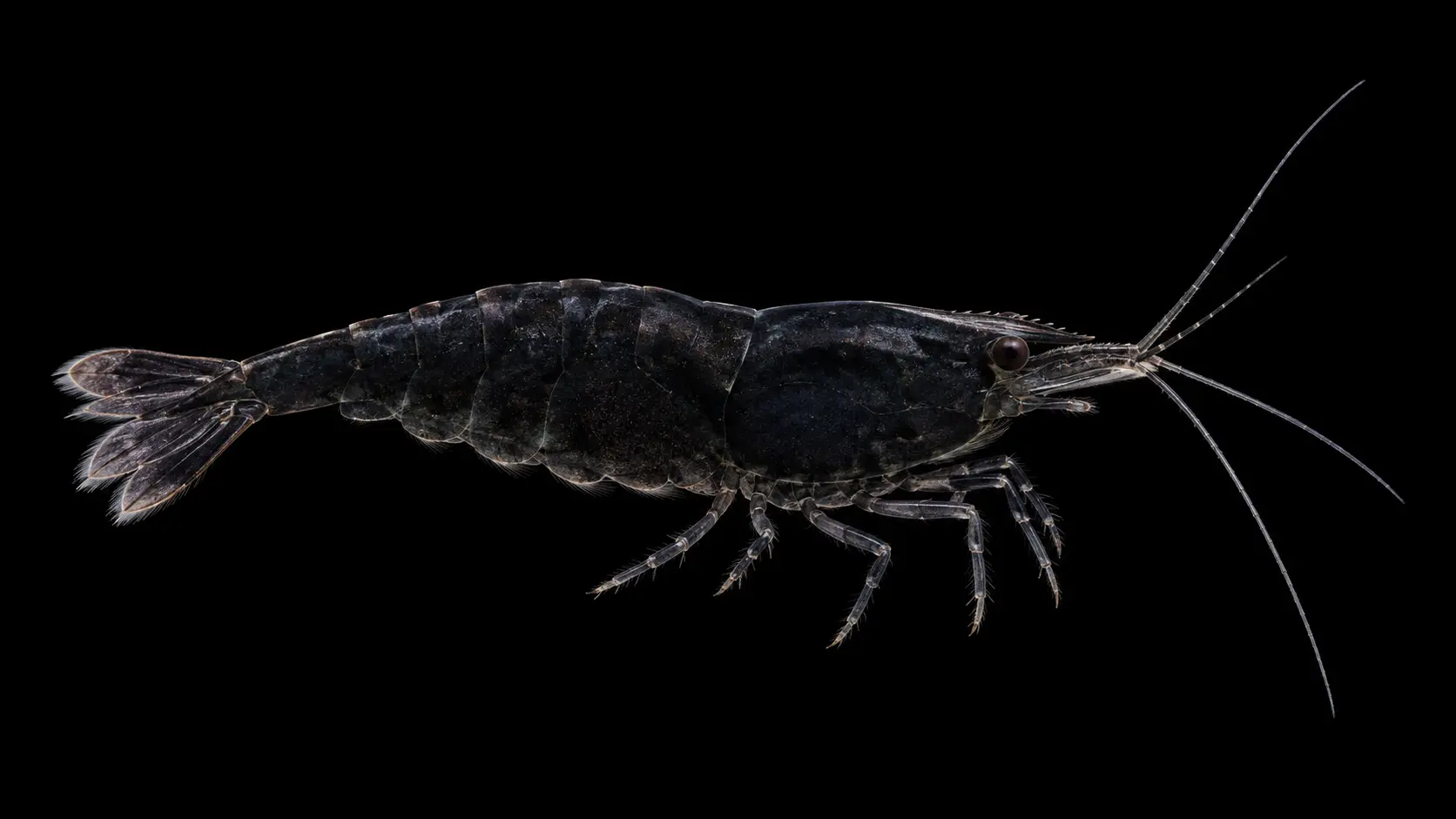
Black Rose

Origin
Captive-bred ornamental line; ancestral species native to East Asia
Habitat evidence
Habitat review pending

Description

Reported adult maximum: 4 cm; length method unspecified.

Temperature 22–26 °Cspecies guidance

Natural food: Algae; biofilm; detritus.Prepared food: Shrimp pellets; spirulina flakes.Food guidance at group level

Biology: mature biofilter; species-specific microbial counts are not established.

Sources & limits

Use a mature planted freshwater aquarium with biofilm, stable mineral content and shrimp-safe filtration. Supplement grazing with small varied meals, avoid copper exposure and predators, and keep colour lines separate when preserving a strain.

Temperature uses the government guide’s red-cherry category (historical trade naming). Food is group guidance; verify the breeder’s established mineral conditions. No separate strain optimum is asserted.

The eight listed colour strains belong to the same catalog species; the 3–4 cm species account does not establish a separate maximum for every strain.

Omitted parameters have no verified range in the sources checked. Habitat or experimental measurements are not safe keeping limits. GH, KH, TDS and conductivity are not interchangeable.

General system guidance: target free ammonia (NH₃) and nitrite (NO₂⁻) at 0 mg/L; account for test detection limits. These are chemical measurements, not microbial counts or each species’ tolerance limits. OATA · 2022. Assess biofilter function through waste processing and water tests, not clarity alone. Biofiltration reference.

Size checked: . Water/food checked: .

Status reviewAssessment not verified

Library profile · not for sale

Neocaridina davidi

Neocaridina davidi

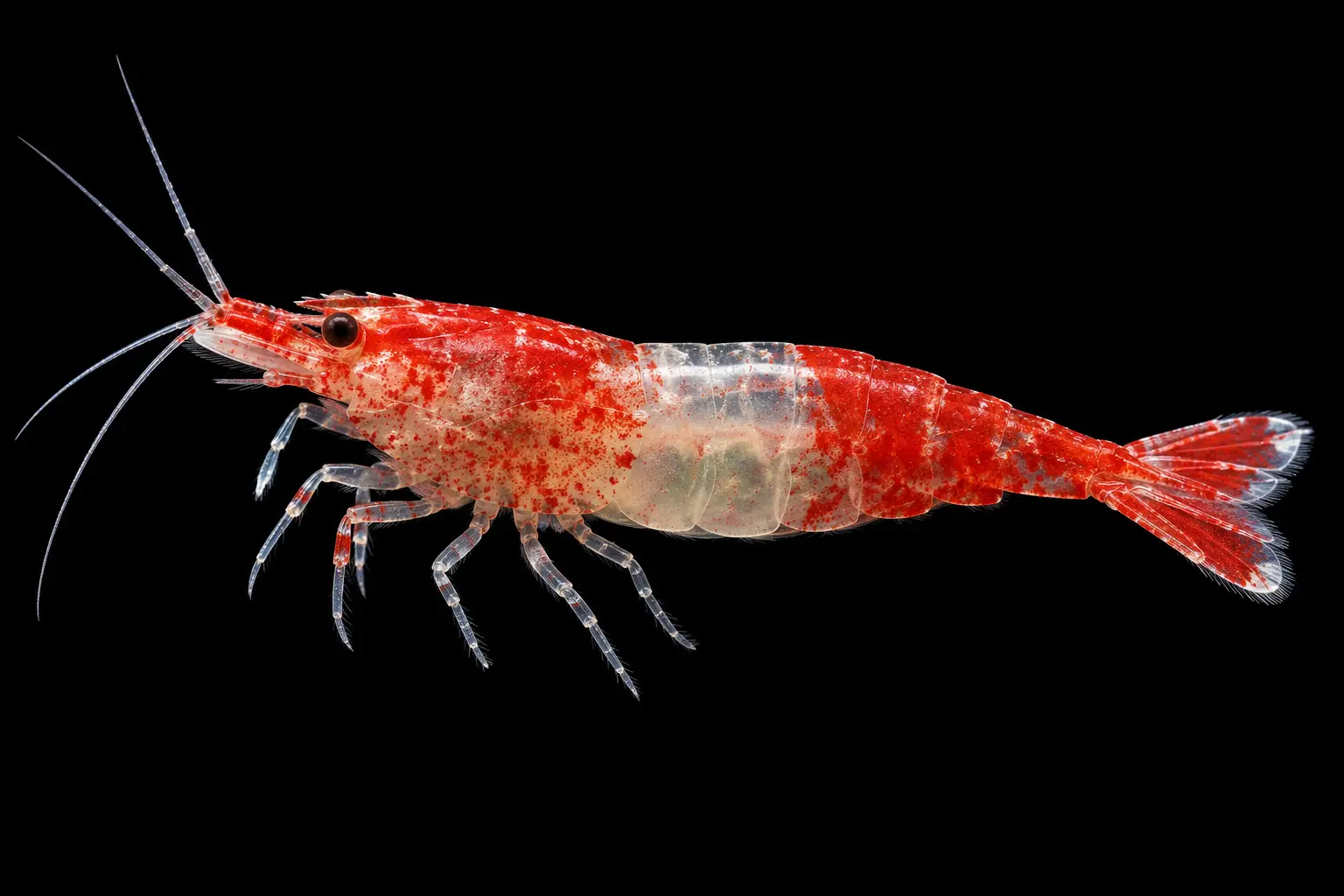
Red Rili

Origin
Captive-bred ornamental line; ancestral species native to East Asia
Habitat evidence
Habitat review pending

Description

Reported adult maximum: 4 cm; length method unspecified.

Temperature 22–26 °Cspecies guidance

Natural food: Algae; biofilm; detritus.Prepared food: Shrimp pellets; spirulina flakes.Food guidance at group level

Biology: mature biofilter; species-specific microbial counts are not established.

Sources & limits

Use a mature planted freshwater aquarium with biofilm, stable mineral content and shrimp-safe filtration. Supplement grazing with small varied meals, avoid copper exposure and predators, and keep colour lines separate when preserving a strain.

Temperature uses the government guide’s red-cherry category (historical trade naming). Food is group guidance; verify the breeder’s established mineral conditions. No separate strain optimum is asserted.

The eight listed colour strains belong to the same catalog species; the 3–4 cm species account does not establish a separate maximum for every strain.

Omitted parameters have no verified range in the sources checked. Habitat or experimental measurements are not safe keeping limits. GH, KH, TDS and conductivity are not interchangeable.

General system guidance: target free ammonia (NH₃) and nitrite (NO₂⁻) at 0 mg/L; account for test detection limits. These are chemical measurements, not microbial counts or each species’ tolerance limits. OATA · 2022. Assess biofilter function through waste processing and water tests, not clarity alone. Biofiltration reference.

Size checked: . Water/food checked: .

Status reviewAssessment not verified

Library profile · not for sale

Explore freely. Orders, prices and availability have not opened yet.

Page 1 of 1 · 8 matching catalogue records

Working line-name register.

Working line-name register.

Seller terminology is not internationally standardised. Similar names may describe different genetic lines, and similar colours can arise in separate lineages.

Neocaridina davidi trade and colour lines

20 documented names
  • Wild type
  • Red Cherry
  • Sakura Red
  • Fire Red
  • Painted Fire Red
  • Bloody Mary
  • Yellow Sakura
  • Yellow Goldenback
  • Orange Sakura
  • Blue Dream
  • Blue Velvet
  • Blue Jelly
  • Green Jade
  • Black Rose
  • Chocolate
  • Snowball / White Pearl
  • Red Rili
  • Orange Rili
  • Blue Rili
  • Carbon Rili

The accepted species name is checked against WoRMS; colour terminology is cross-checked against UF/IFAS and published colour-morph research.

All shrimp collectionsFish & Shrimp Foods