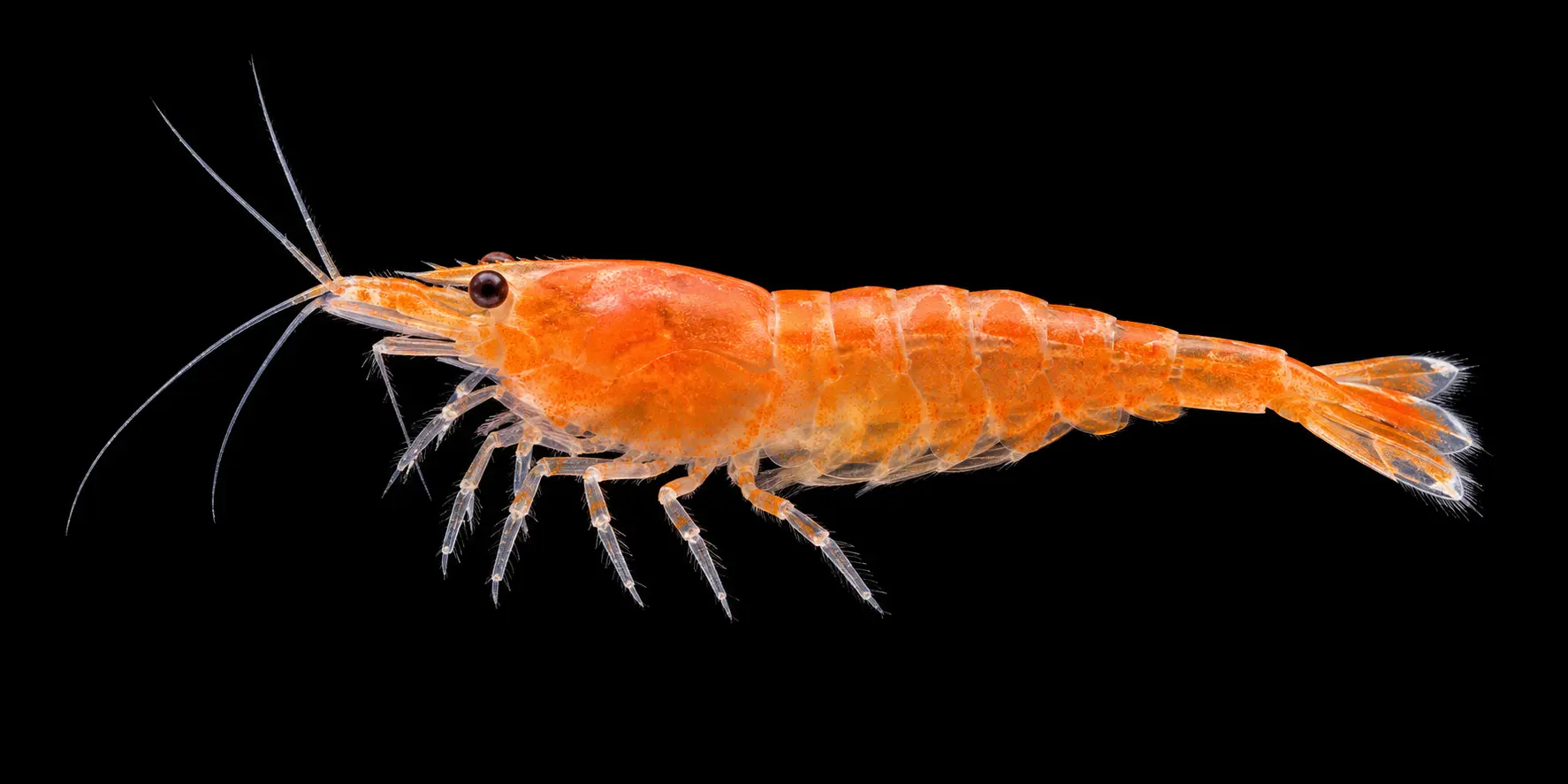
Identity and origin
- Origin
- Captive-bred ornamental line; ancestral species native to East Asia
- Identity
- Selective colour line—not a separate species
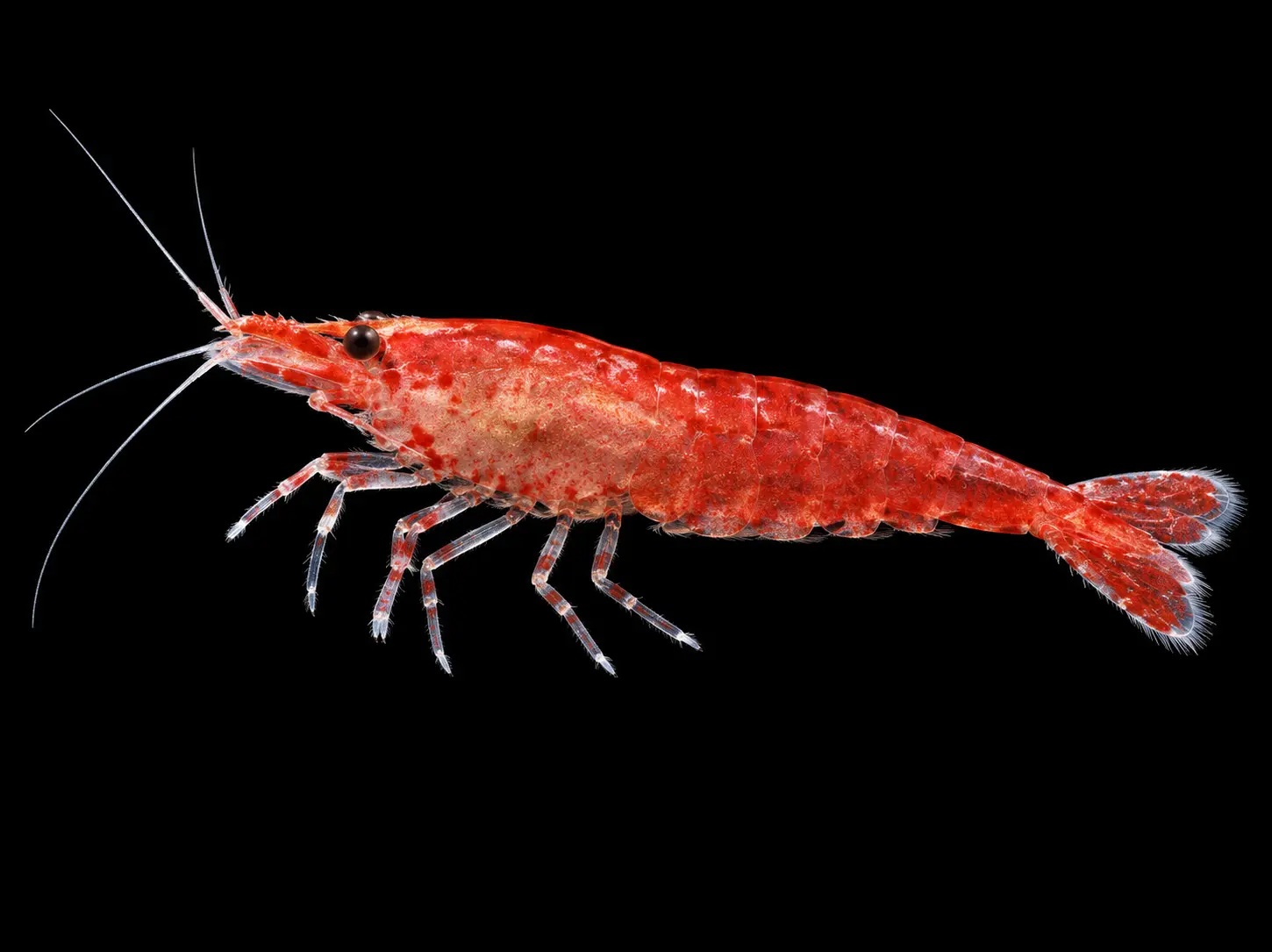
Orange selective line with relatively even shell colour.
Description
Reported adult maximum: 4 cm; length method unspecified.
Temperature 22–26 °Cspecies guidance
Natural food: Algae; biofilm; detritus.Prepared food: Shrimp pellets; spirulina flakes.Food guidance at group level
Biology: mature biofilter; species-specific microbial counts are not established.
Sources & limits
Use a mature planted freshwater aquarium with biofilm, stable mineral content and shrimp-safe filtration. Supplement grazing with small varied meals, avoid copper exposure and predators, and keep colour lines separate when preserving a strain.
Temperature uses the government guide’s red-cherry category (historical trade naming). Food is group guidance; verify the breeder’s established mineral conditions. No separate strain optimum is asserted.
The eight listed colour strains belong to the same catalog species; the 3–4 cm species account does not establish a separate maximum for every strain.
Omitted parameters have no verified range in the sources checked. Habitat or experimental measurements are not safe keeping limits. GH, KH, TDS and conductivity are not interchangeable.
General system guidance: target free ammonia (NH₃) and nitrite (NO₂⁻) at 0 mg/L; account for test detection limits. These are chemical measurements, not microbial counts or each species’ tolerance limits. OATA · 2022. Assess biofilter function through waste processing and water tests, not clarity alone. Biofiltration reference.
- UF/IFAS, Neocaridina davidi species account
- Manufacturer beginner shrimp guide
- Flanders Animal Welfare, Huisdierwijzer zoetwatergarnalen (2021), species table
- Manufacturer freshwater-shrimp care guide
Size checked: . Water/food checked: .
Keeping a colour line
Care-planning notes. Confirm exact requirements for the species and source population.
- Start with a mature aquarium and consistent water conditions. Avoid abrupt changes during routine care.
- Plan feeding around grazing surfaces and appropriate supplementary food, without allowing uneaten food to accumulate.
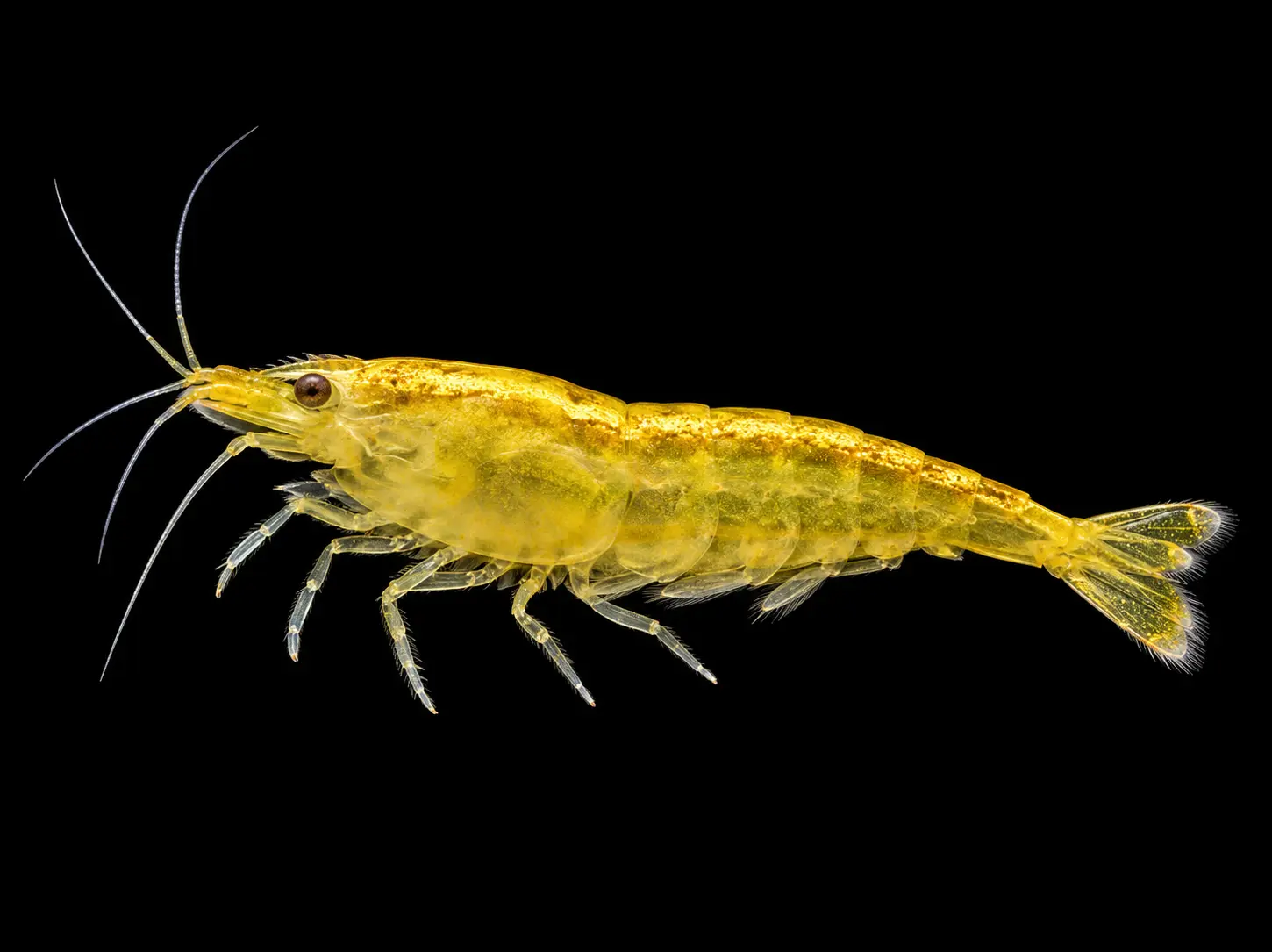
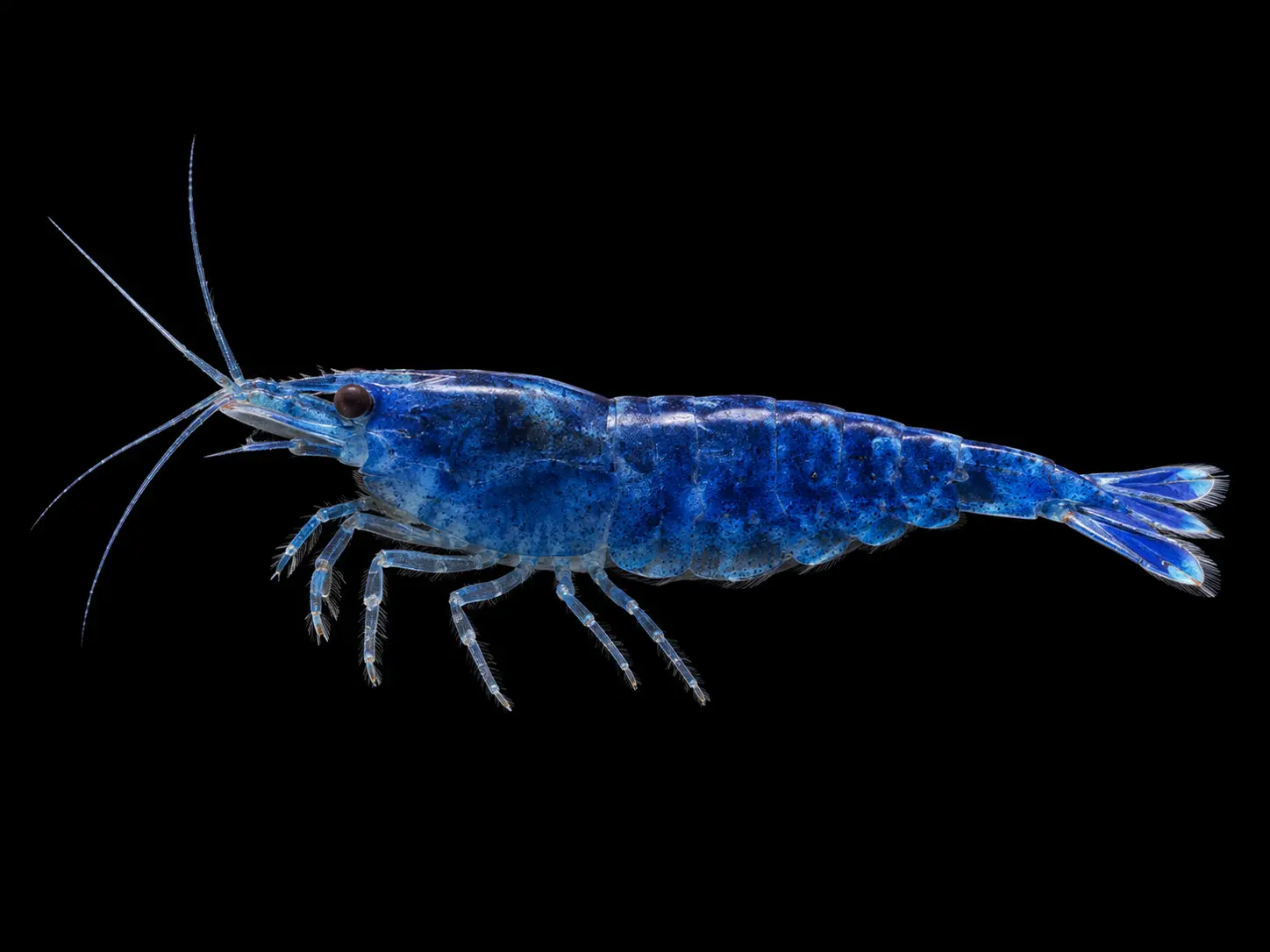
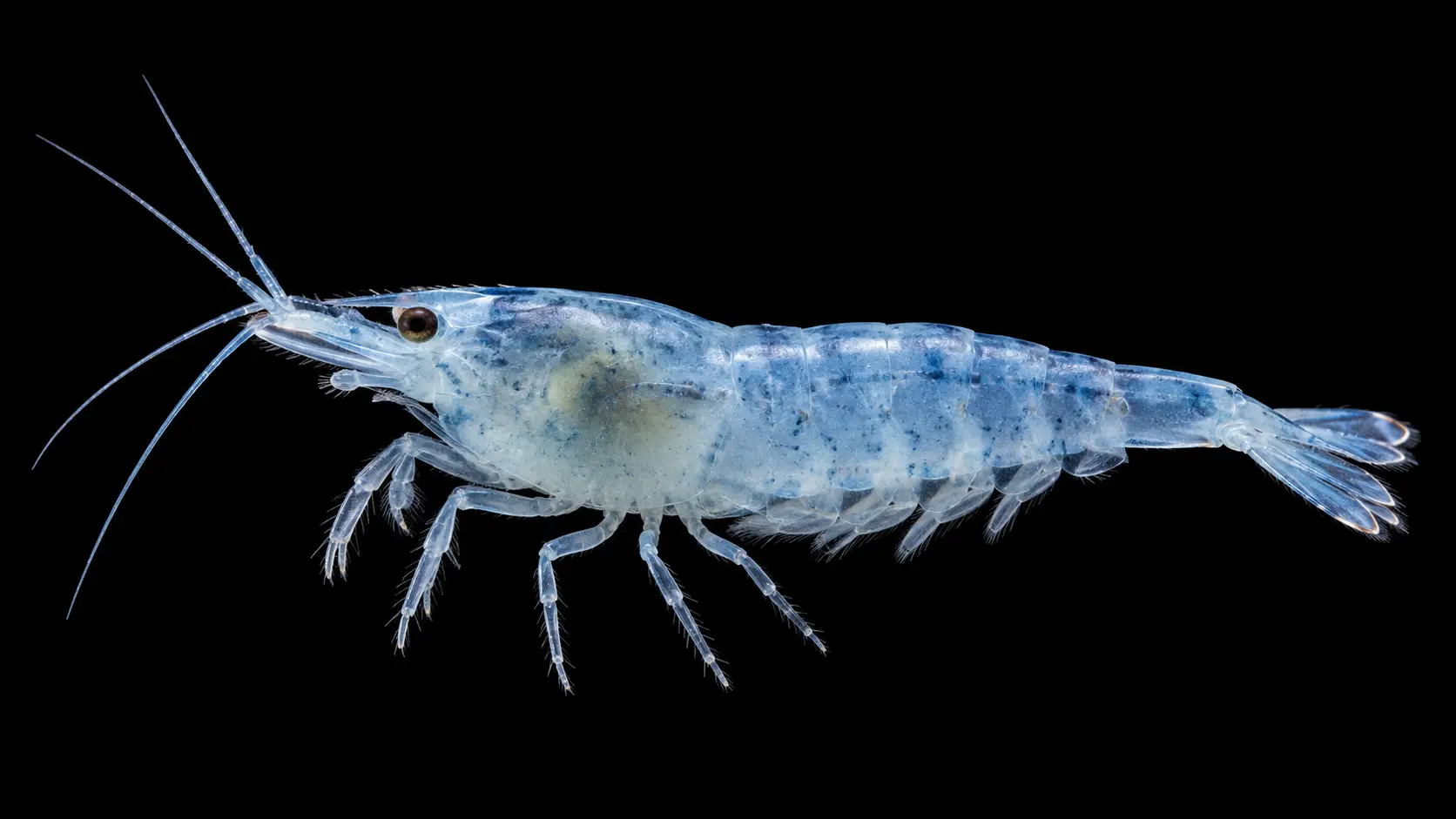
- Different colours are selective lines of the same species. Keep breeding lines separate when maintaining a particular colour is the aim.
Evidence record
Conservation record: A current assessment has not been verified for this profile. This does not establish Not Evaluated status or imply low risk. Conservation status does not establish legal protection, availability or permission to trade.
Catalogue inclusion confirms a research record, not current stock, legal export, or destination-country import permission.