Identity and origin
- Origin
- Lake Poso, Central Sulawesi
- Identity
- Ancient-lake endemic species
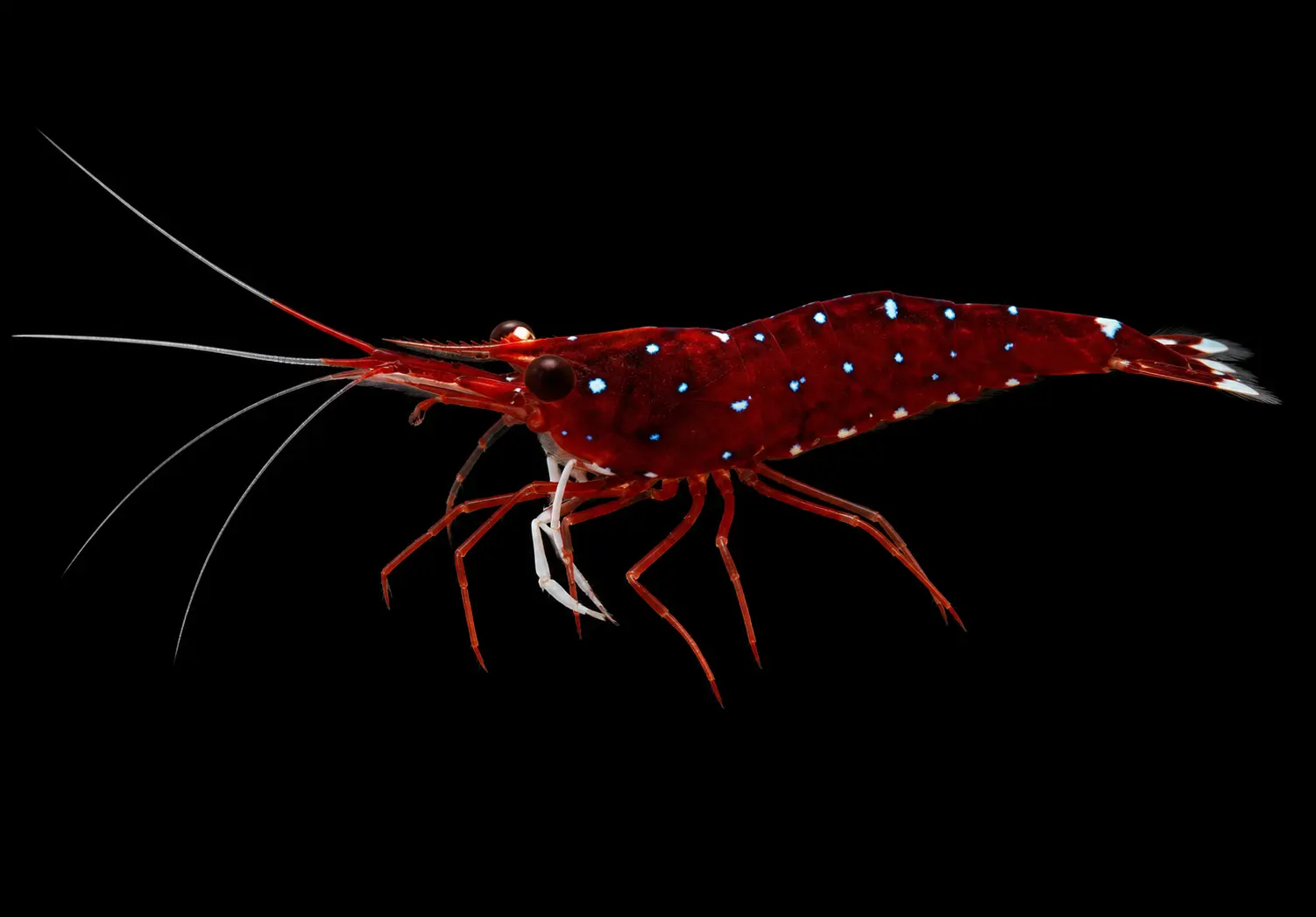
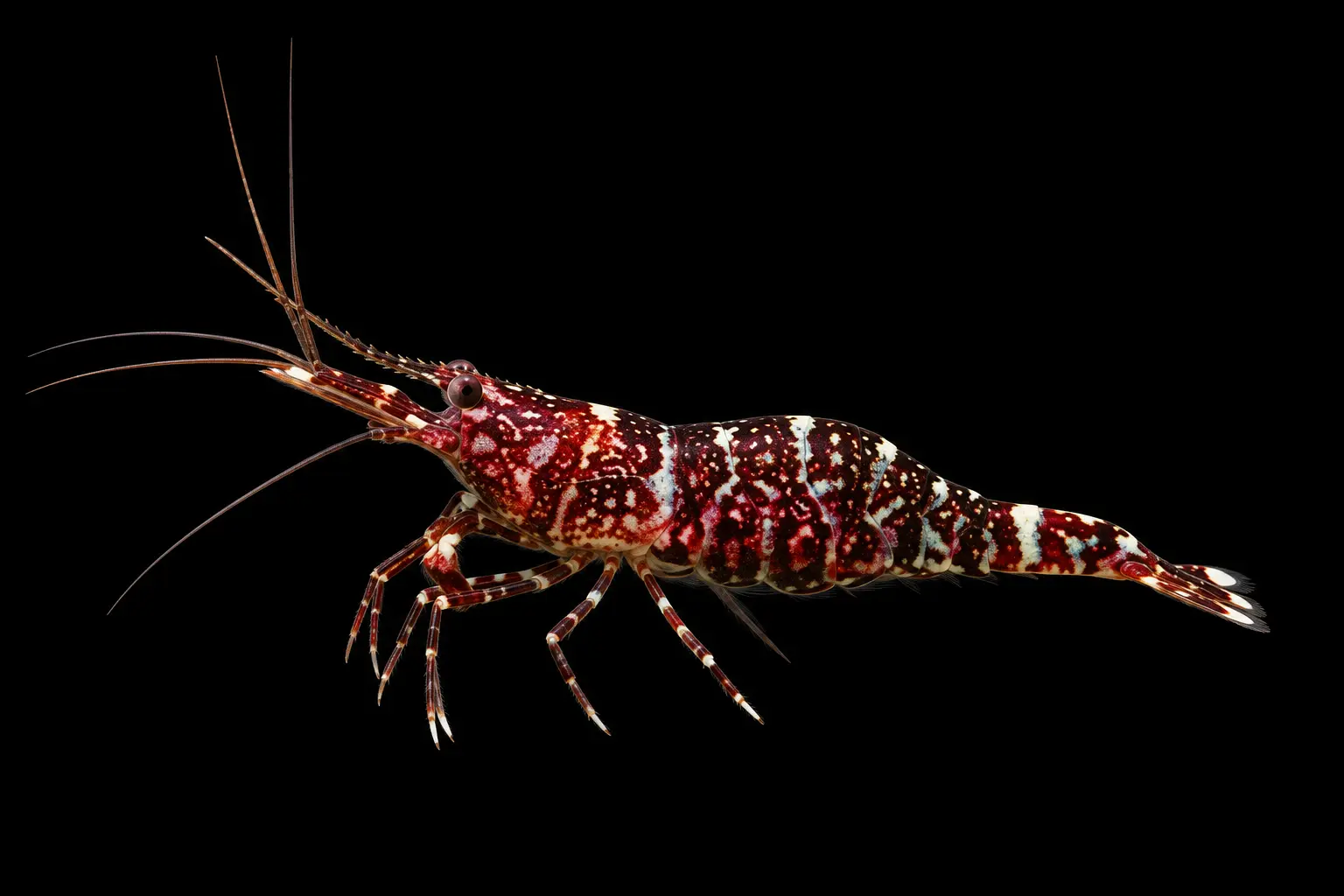
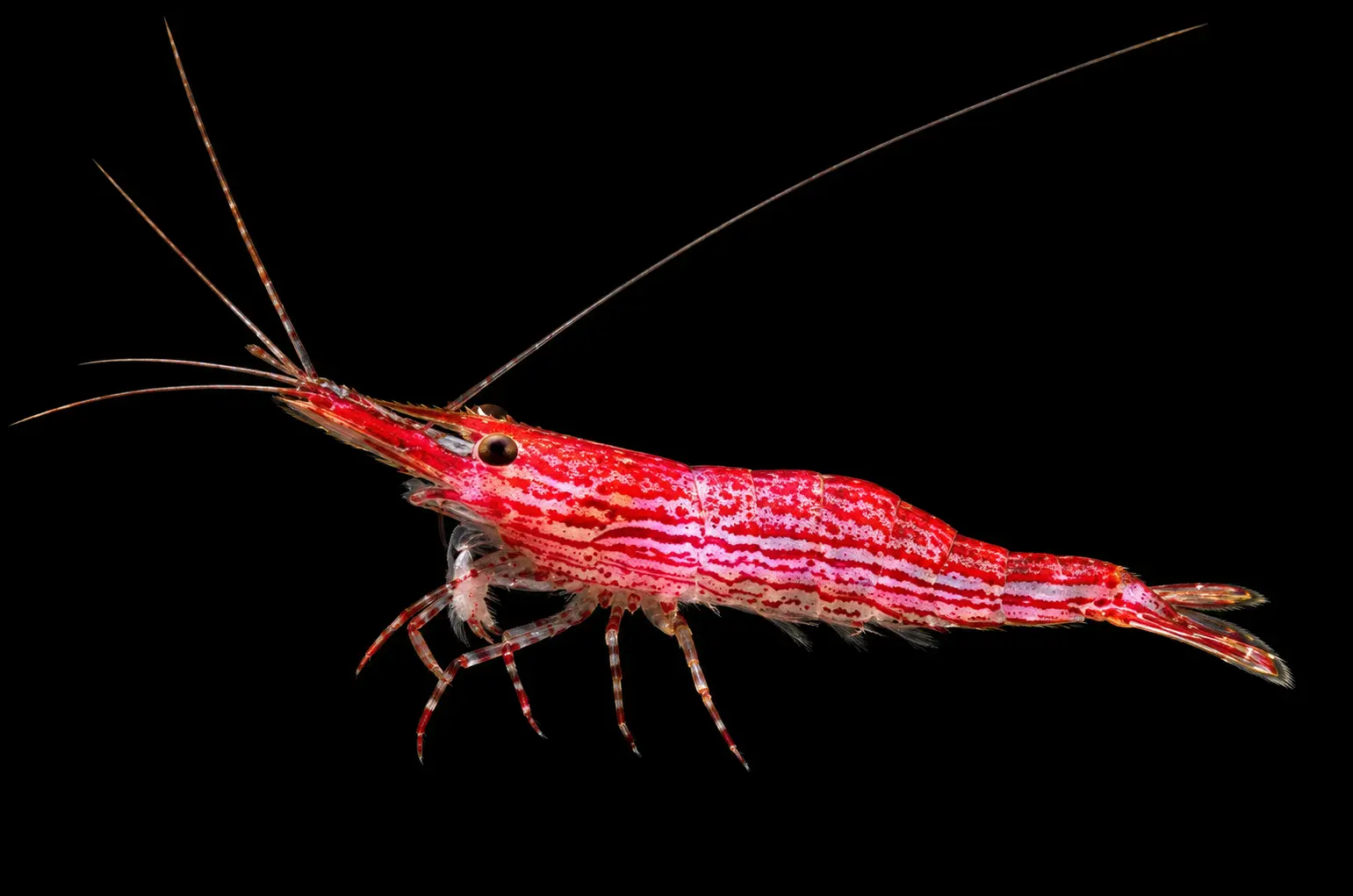
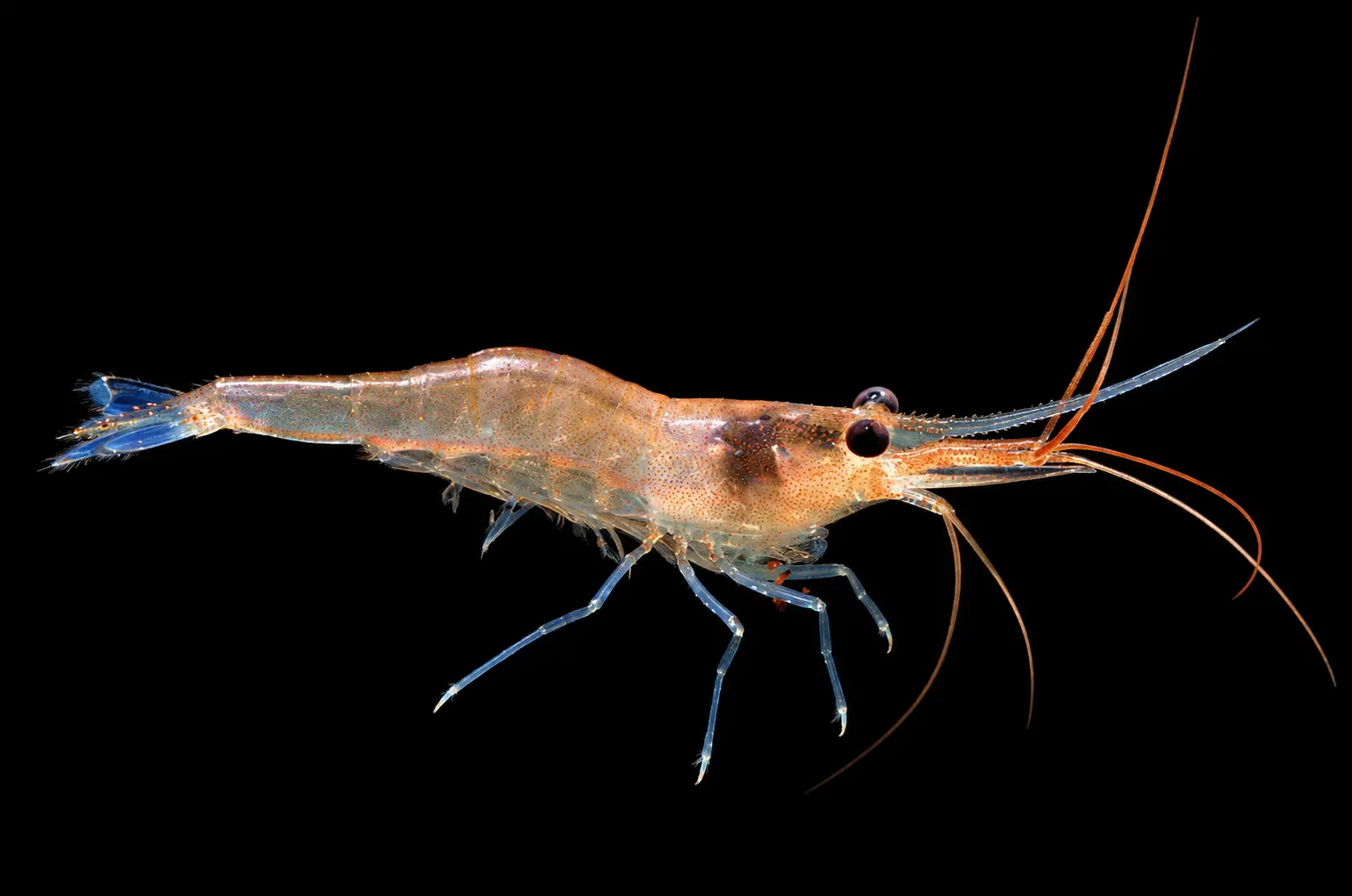
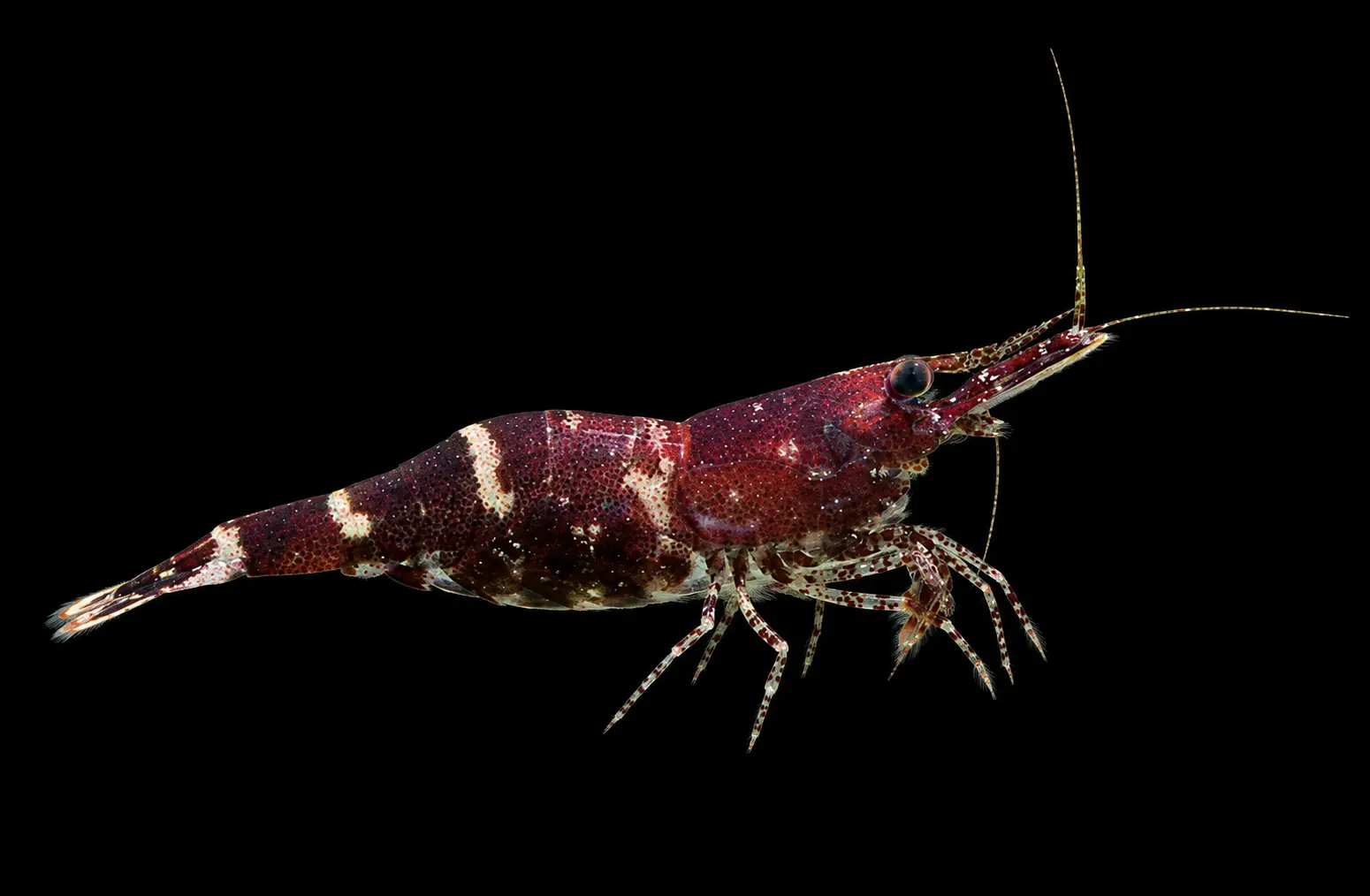
A variable Poso species whose loose transverse markings may resemble C. fusca. The 2021 revision distinguishes these species using morphology, band definition and microhabitat; the old trade photograph alone is not diagnostic.
Habitat and care
Wood, leaf litter and aquatic plants in Lake Poso. Habitat and identity reference
Use a mature, species-dedicated system with stable water chemistry, strong oxygenation and suitable grazing surfaces. Follow documented breeder parameters for the exact species and colony; do not transfer a soft-water bee-shrimp recipe to an ancient-lake species.
Plan before choosing
- Habitat
- Ancient lakes
- Size and measurement
- A source-checked adult total length has not yet been added to this profile. Confirm it before choosing aquarium dimensions.
- Planning context
- The cited study supports this broad habitat classification. A verified husbandry protocol is not yet available here; do not treat natural habitat observations as an aquarium recipe.
Klotz et al. (2021), Table 1 · lake occurrences
Source check: . Independent husbandry review pending.
Before choosing this species
Care-planning notes. Confirm exact requirements for the species and source population.
- Confirm the adult size and social behaviour of the exact species before planning its aquarium.
- Establish biological filtration and stable water conditions before introducing animals.
- Ask for locality, captive history and the actual animal’s feeding record; a catalogue image cannot provide these.
Evidence record
Conservation record: Vulnerable (VU); assessment year 2011. Conservation source record. Direct assessment record; check its assessment and publication dates. Check for a newer assessment before making conservation or sourcing decisions.
Catalogue inclusion confirms a research record, not current stock, legal export, or destination-country import permission.
- Klotz et al. (2021).
- von Rintelen, K. & Cai, Y. (2009). Systematic revision of Caridina from the ancient lakes of Sulawesi. Raffles Bulletin of Zoology 57(2): 343–452.
- Klotz, W., von Rintelen, T., Wowor, D., Lukhaup, C. & von Rintelen, K. (2021). Lake Poso’s shrimp fauna revisited. ZooKeys 1009: 81–122.
- Sun, J. (2025). Sulawesi shrimp hobby in China. Sulawesi Keepers. First-hand aquarium names and breeding observations, not a taxonomic revision.
- Rejlková, M. & Sun, J. (2025). Crossbreeding Sulawesi shrimps. Sulawesi Keepers. Keeper-reported crosses; not controlled genetic verification.