Identity and origin
- Origin
- Lake Towuti; also recorded in Lake Mahalona, Sulawesi, Indonesia
- Identity
- Described freshwater species; lake/catchment endemic
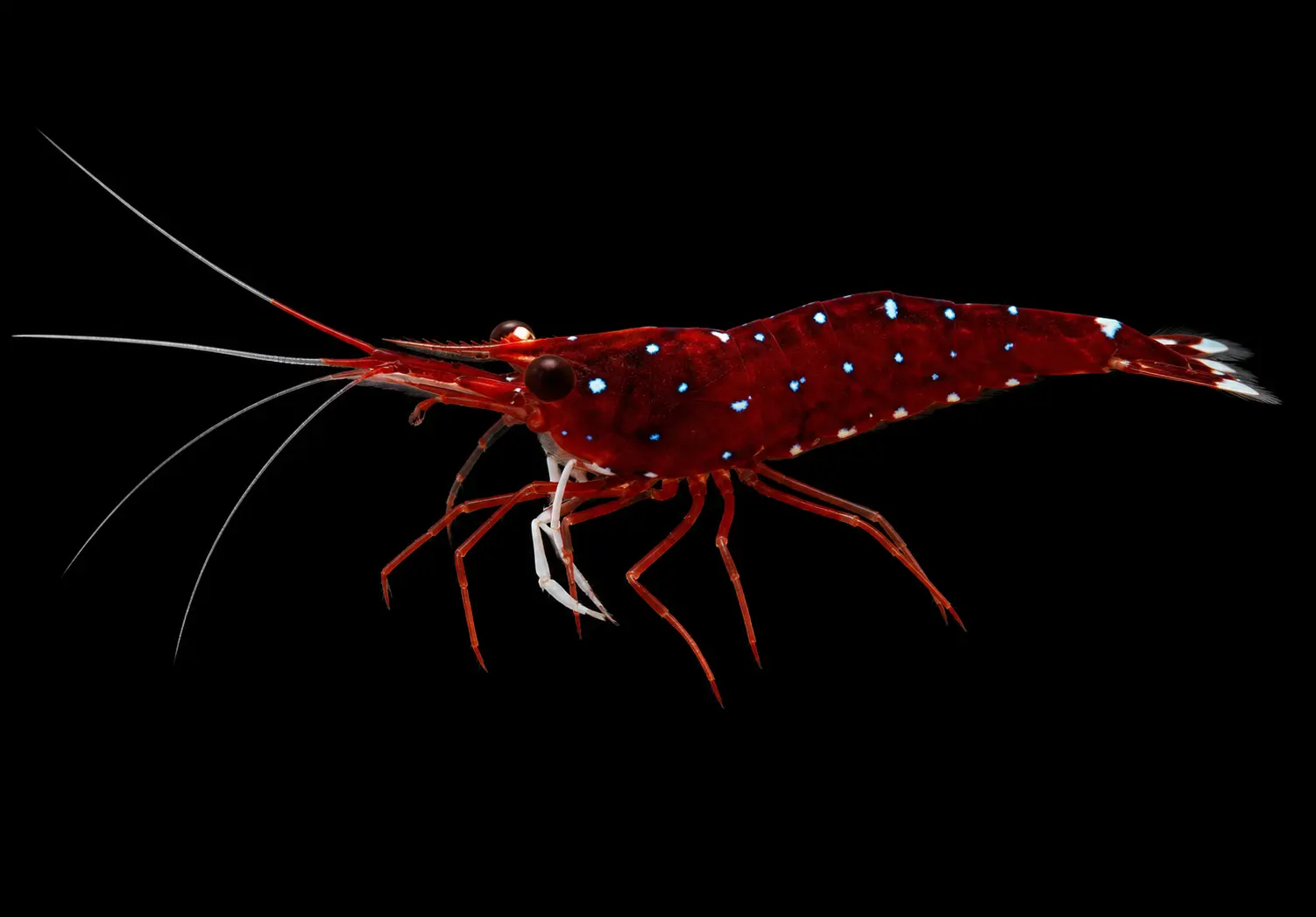
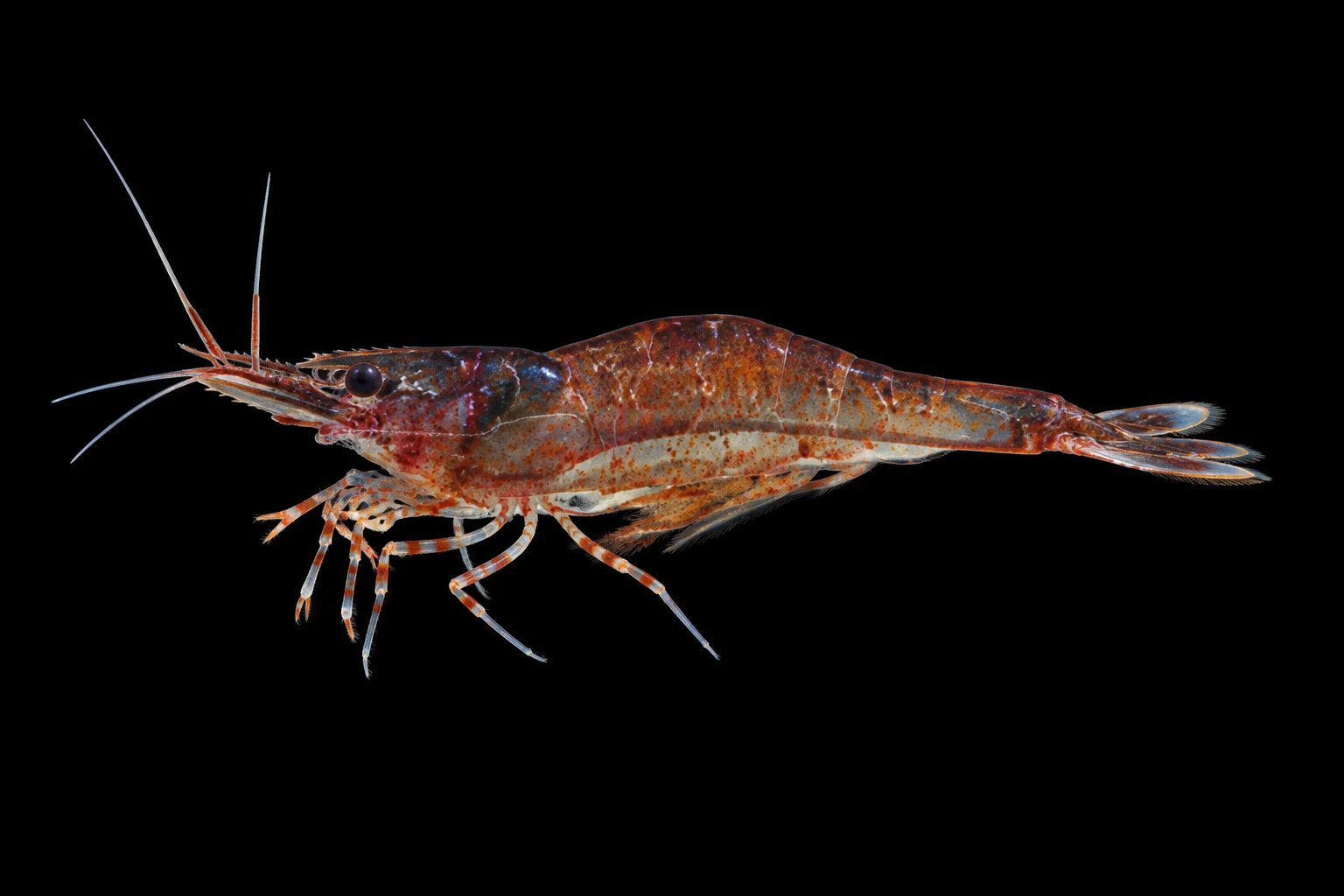
A translucent reddish species often observed in large open-water swarms. The relatively broad, triangular rostrum helps distinguish it from the more slender C. lanceolata.
Habitat and care
Primarily pelagic, with occasional records on rocks and leaf litter. Habitat and identity reference
Use a mature, species-dedicated system with stable water chemistry, strong oxygenation and suitable grazing surfaces. Follow documented breeder parameters for the exact species and colony; do not transfer a soft-water bee-shrimp recipe to an ancient-lake species.
Plan before choosing
- Habitat
- Ancient lakes
- Size and measurement
- A source-checked adult total length has not yet been added to this profile. Confirm it before choosing aquarium dimensions.
- Planning context
- The cited study supports this broad habitat classification. A verified husbandry protocol is not yet available here; do not treat natural habitat observations as an aquarium recipe.
von Rintelen & Cai (2009), species distribution and ecology
Source check: . Independent husbandry review pending.
Before choosing this species
Care-planning notes. Confirm exact requirements for the species and source population.
- Confirm the adult size and social behaviour of the exact species before planning its aquarium.
- Establish biological filtration and stable water conditions before introducing animals.
- Ask for locality, captive history and the actual animal’s feeding record; a catalogue image cannot provide these.
Evidence record
Conservation record: Critically Endangered (CR); assessment year 2018. Conservation source record. This retained reference is an index or secondary record; the direct assessment and date require verification. Check for a newer assessment before making conservation or sourcing decisions.
Catalogue inclusion confirms a research record, not current stock, legal export, or destination-country import permission.
- von Rintelen & Cai (2009), Raffles Bulletin of Zoology 57: 343–452.
- Klotz, W., von Rintelen, T., Wowor, D., Lukhaup, C. & von Rintelen, K. (2021). Lake Poso’s shrimp fauna revisited. ZooKeys 1009: 81–122.
- Sun, J. (2025). Sulawesi shrimp hobby in China. Sulawesi Keepers. First-hand aquarium names and breeding observations, not a taxonomic revision.
- Rejlková, M. & Sun, J. (2025). Crossbreeding Sulawesi shrimps. Sulawesi Keepers. Keeper-reported crosses; not controlled genetic verification.