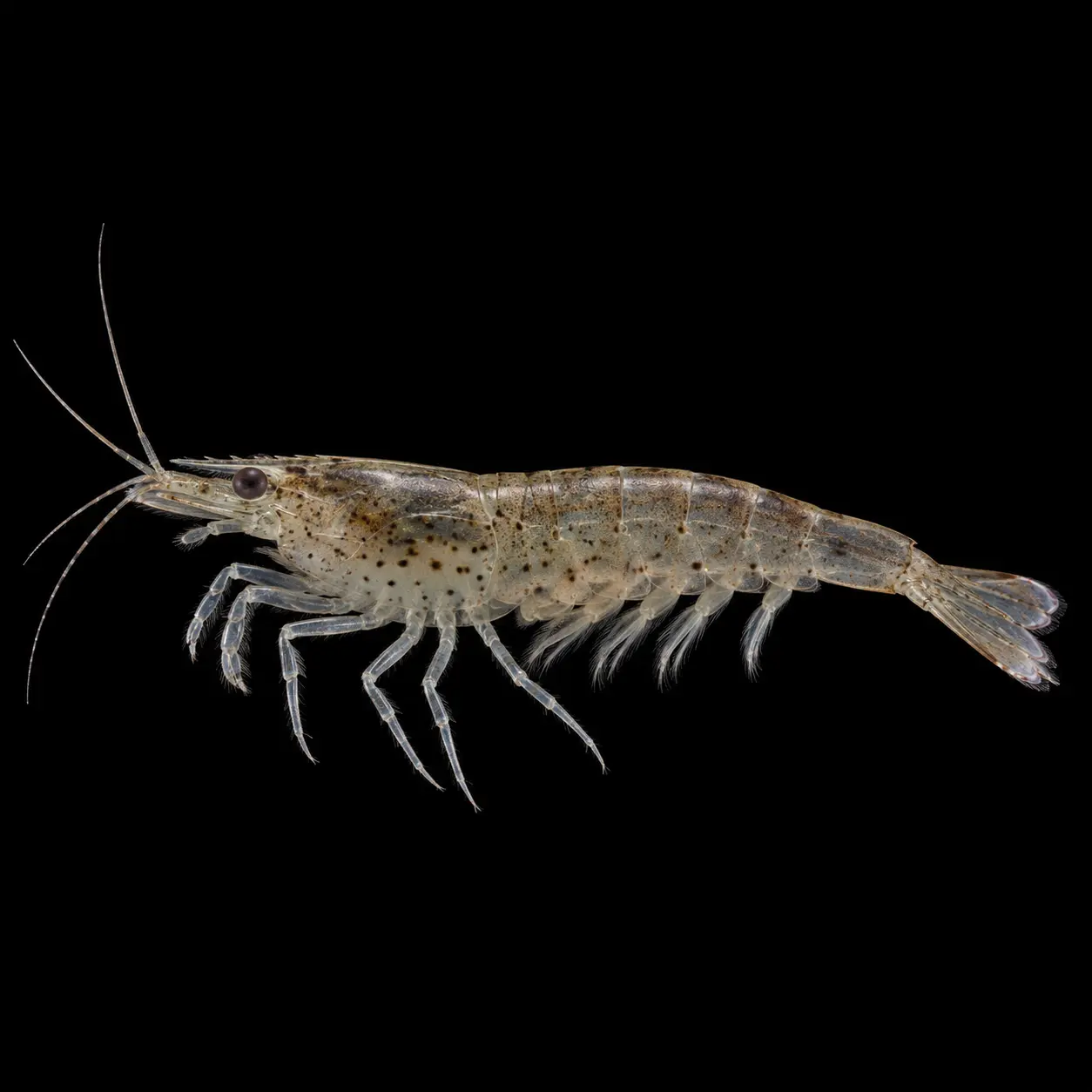
Identity and origin
- Origin
- Sulawesi, Bali, West Papua, Halmahera, Aru and other Indo-Pacific localities
- Identity
- Widespread amphidromous species complex
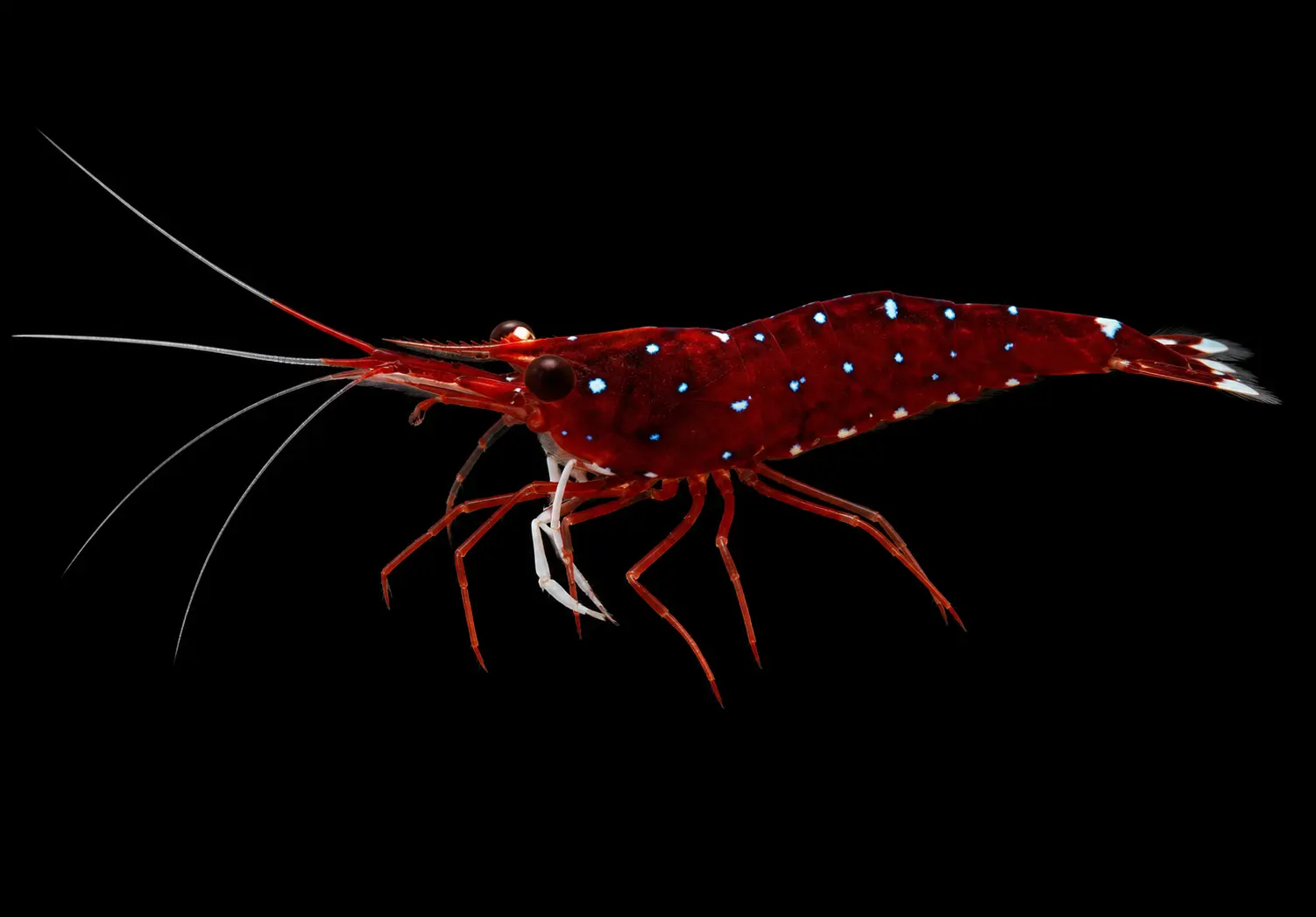
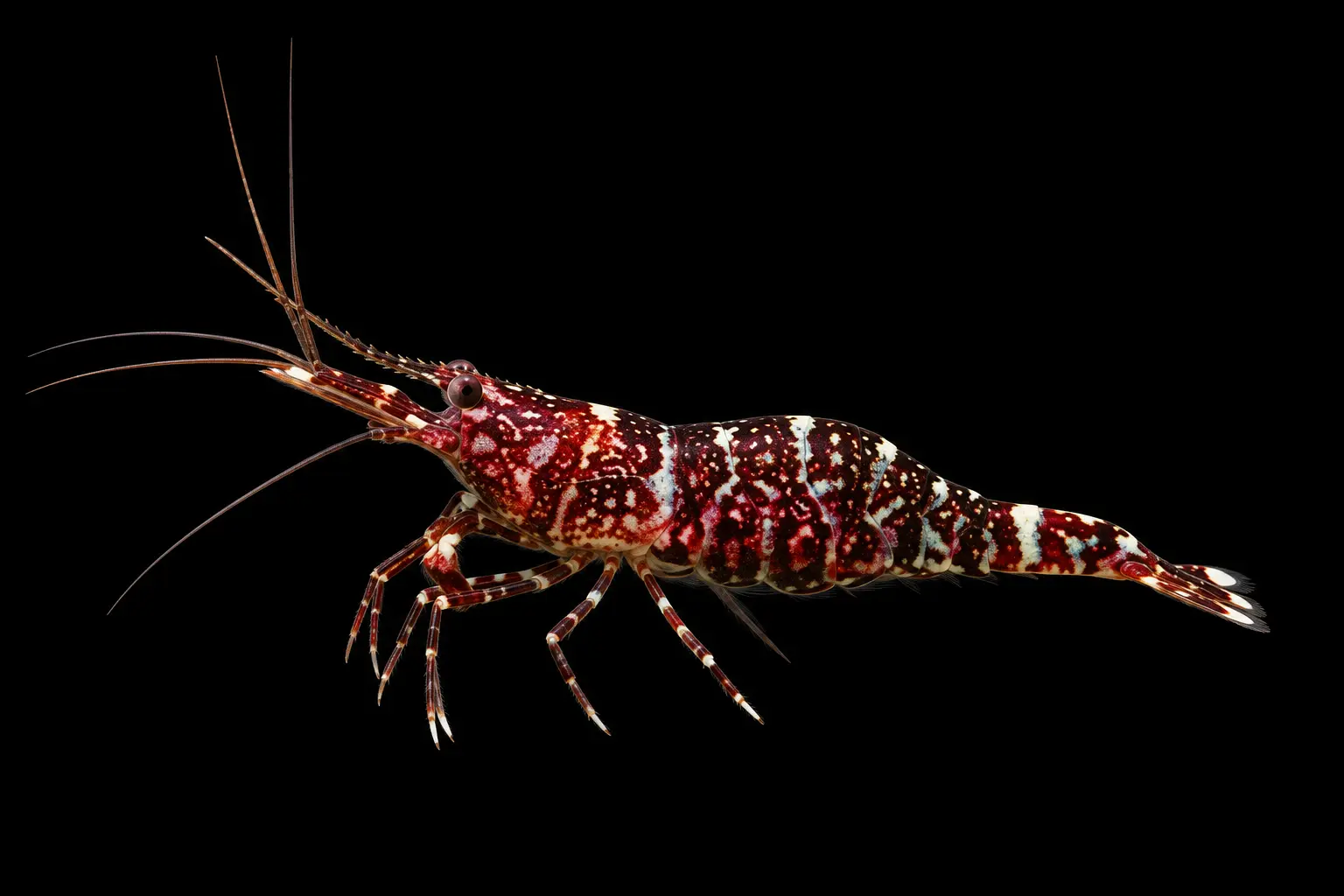
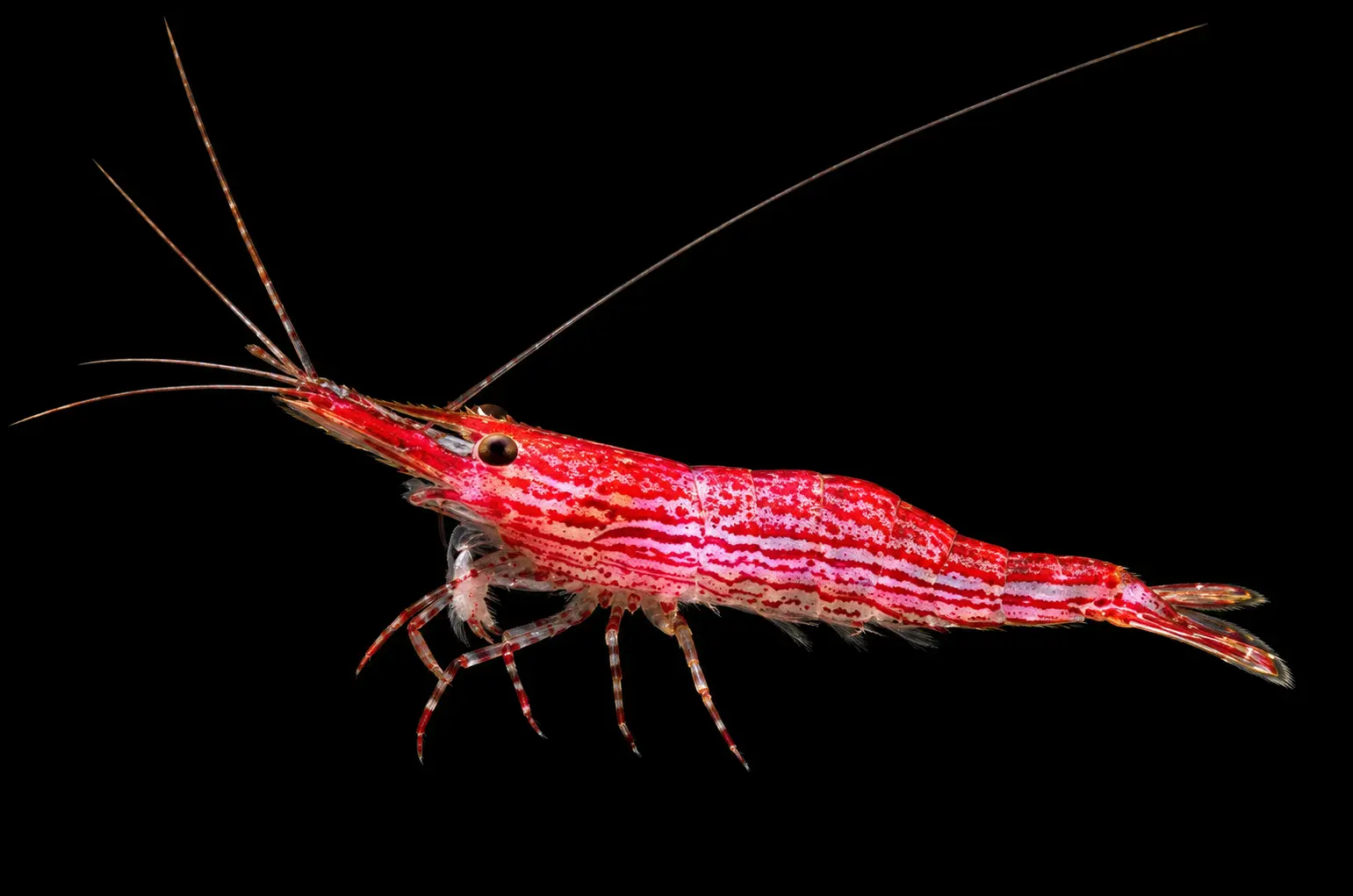
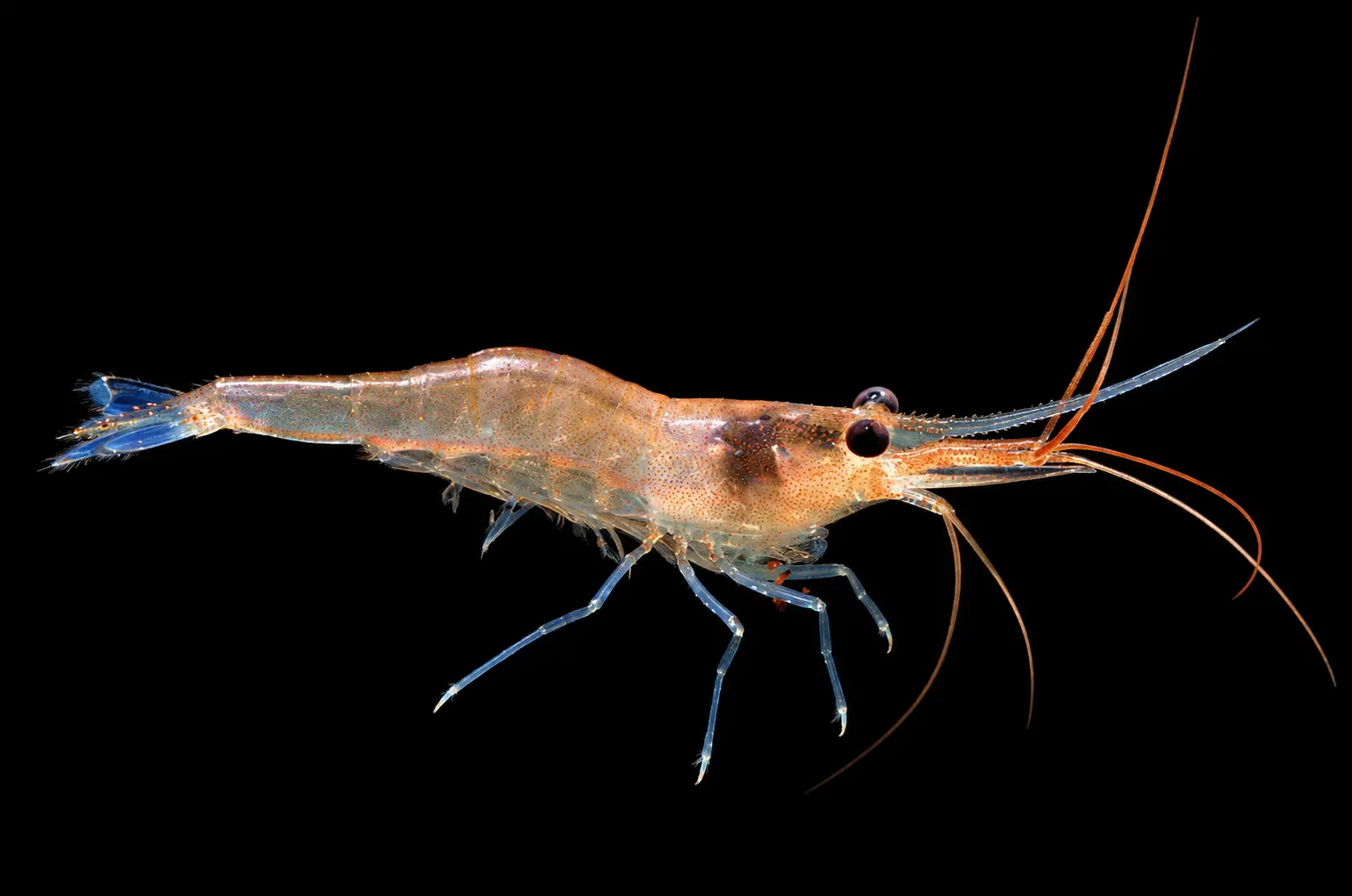
A useful grazer with a short rostrum and understated wild pattern. Published phylogeography reveals deeply structured lineages, so the broad name must not erase Indonesian locality or imply that all populations are interchangeable. The established Amano shrimp is Caridina multidentata. Caridina typus is a separate species and should not be sold under that identity.
Before choosing this species
Care-planning notes. Confirm exact requirements for the species and source population.
- Confirm the adult size and social behaviour of the exact species before planning its aquarium.
- Establish biological filtration and stable water conditions before introducing animals.
- Ask for locality, captive history and the actual animal’s feeding record; a catalogue image cannot provide these.
Evidence record
Conservation record: Least Concern (LC); assessment year 2011. Conservation source record. This retained reference is an index or secondary record; the direct assessment and date require verification. Check for a newer assessment before making conservation or sourcing decisions.
Catalogue inclusion confirms a research record, not current stock, legal export, or destination-country import permission.