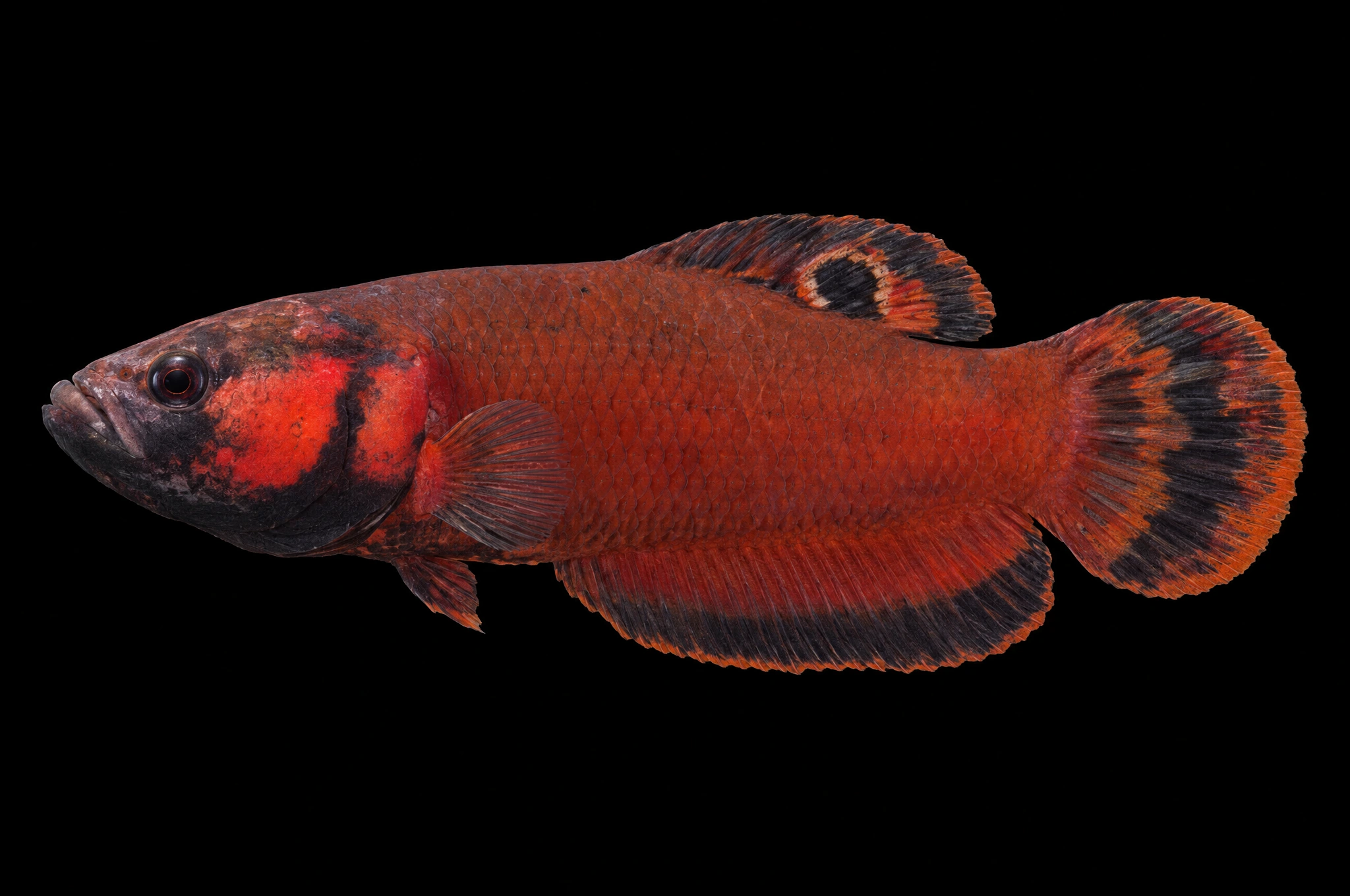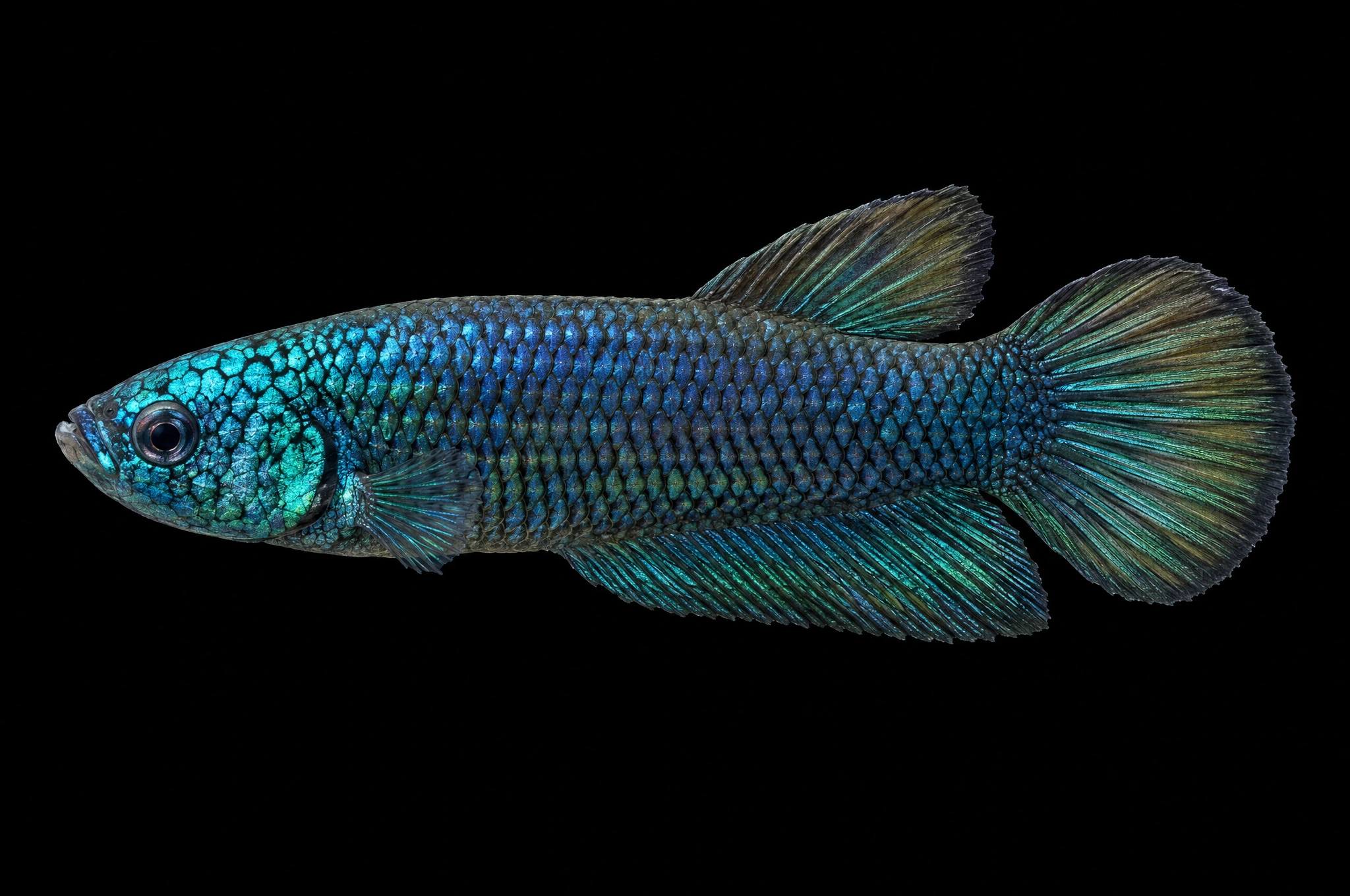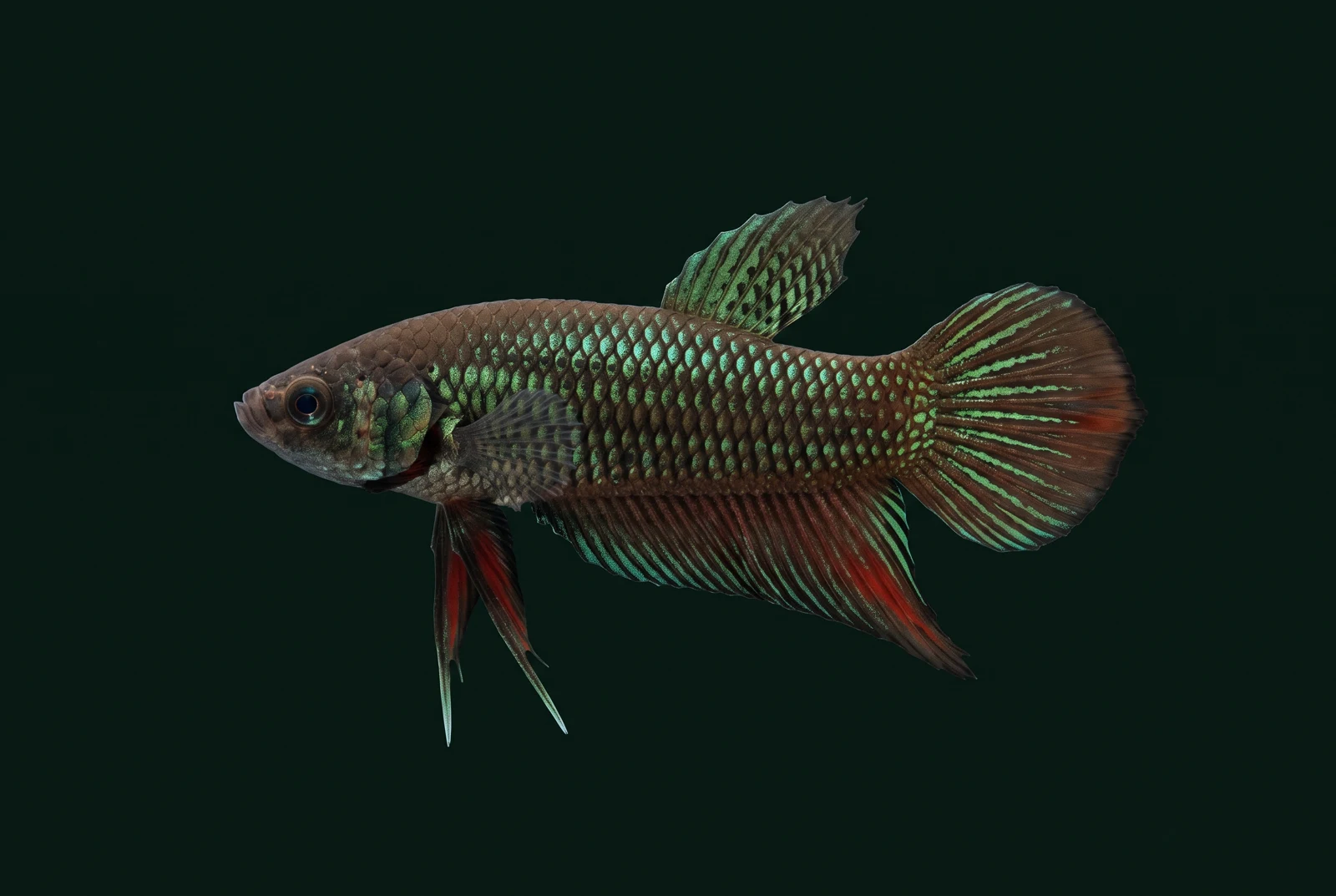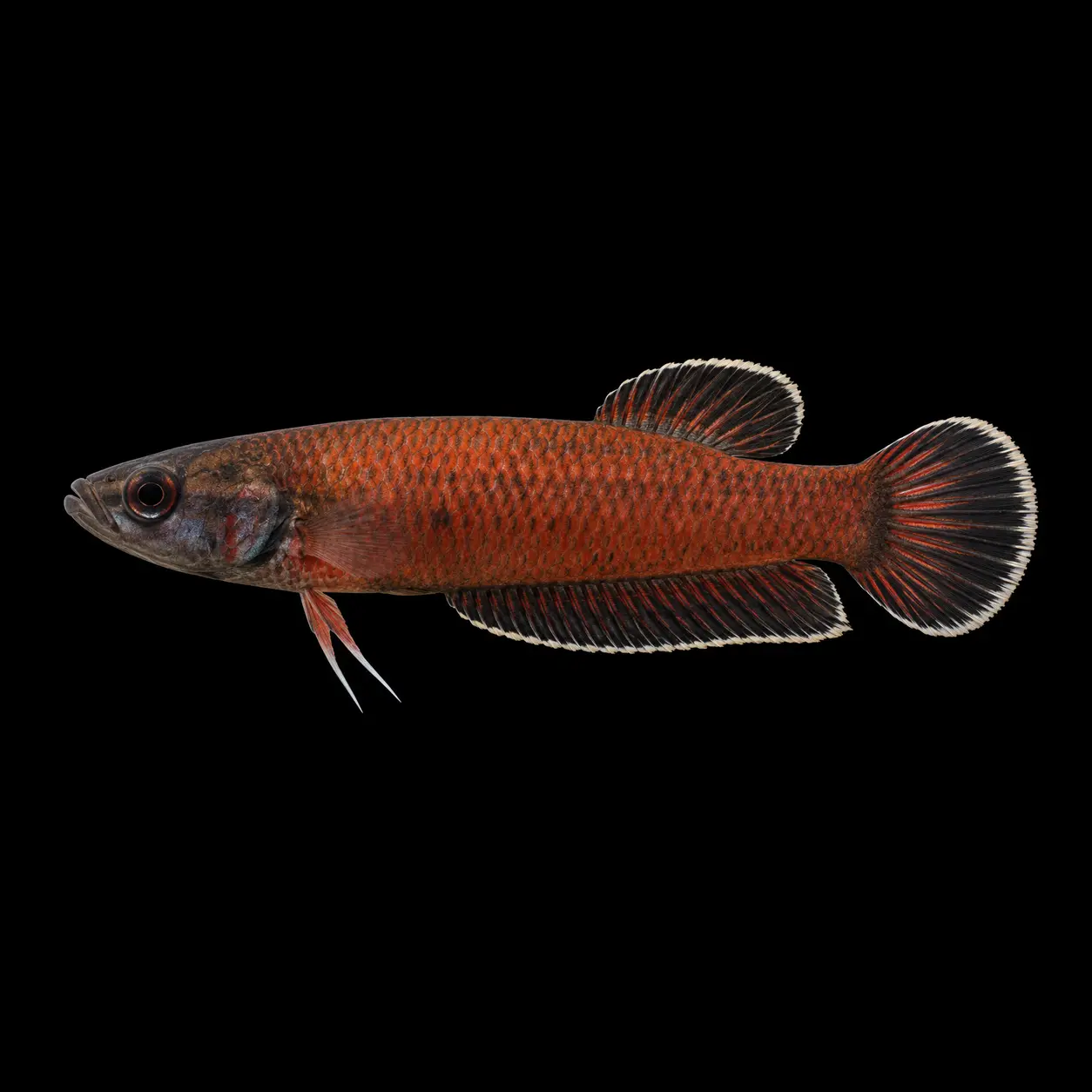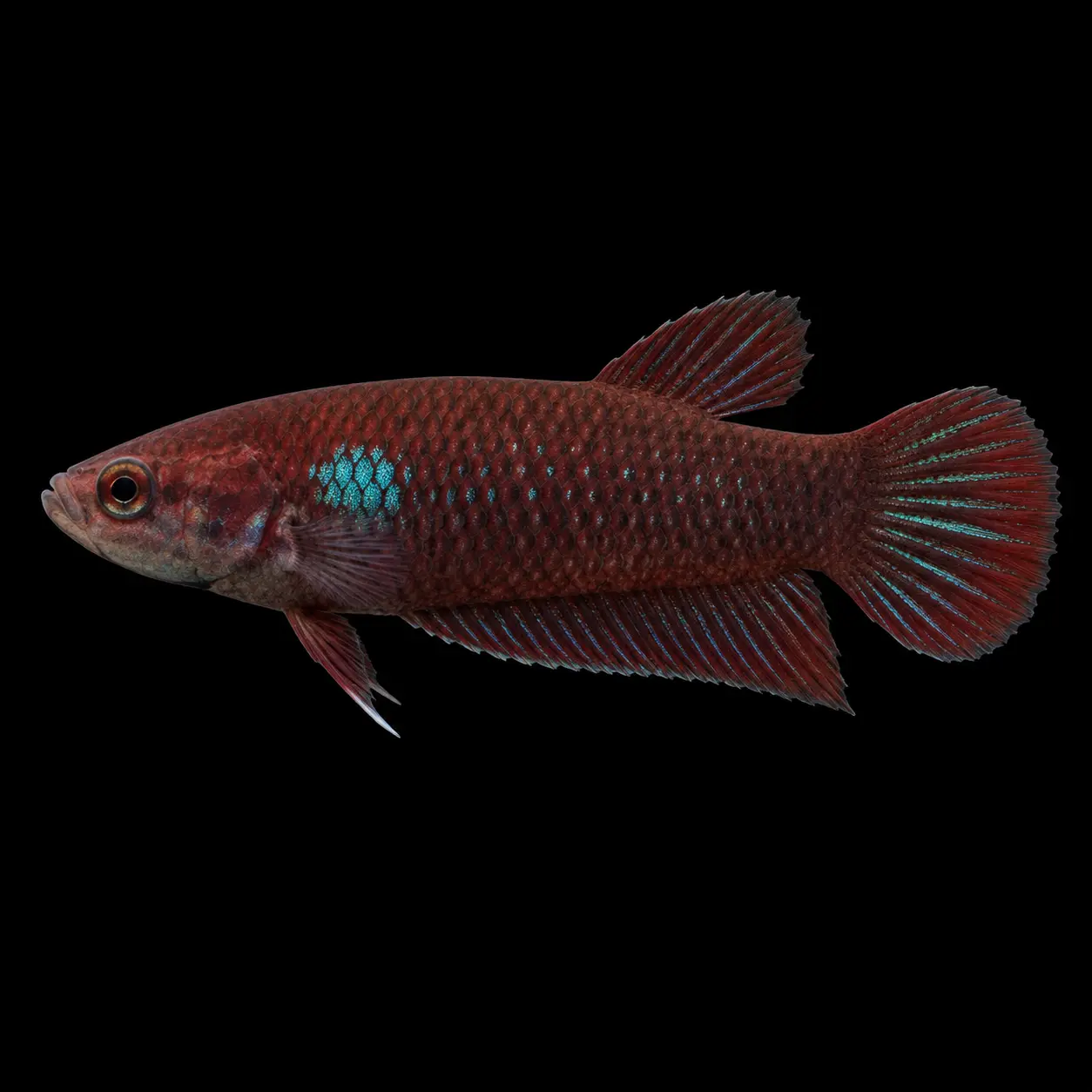
Identity and origin
- Origin
- West Kalimantan peat swamp
- Identity
- Native Indonesian wild Betta species
A tiny coccina-group bubble nester with a restricted blackwater habitat. Captive propagation should reduce pressure on remaining peat-swamp populations.
Plan before choosing
- Habitat
- Peat blackwater
- Size and measurement
- A source-checked adult total length has not yet been added to this profile. Confirm it before choosing aquarium dimensions.
- Planning context
- The cited study supports this broad habitat classification. A verified husbandry protocol is not yet available here; do not treat natural habitat observations as an aquarium recipe.
Tan & Ng (2005), pp. 82–83 · habitat record, not an aquarium prescription
Source check: . Independent husbandry review pending.
Plan around the wild species
Care-planning notes. Confirm exact requirements for the species and source population.
- Wild Betta have different habitats and breeding strategies; ornamental Betta splendens advice cannot cover every species.
- Retain species and locality records, and verify whether the line is a bubble-nester or a mouthbrooder.
- Plan a secure cover, shelter and a species-specific social arrangement before acquiring a line.
Evidence record
Conservation record: Vulnerable (VU); assessment year 2018. Conservation source record. This retained reference is an index or secondary record; the direct assessment and date require verification. Check for a newer assessment before making conservation or sourcing decisions.
Catalogue inclusion confirms a research record, not current stock, legal export, or destination-country import permission.