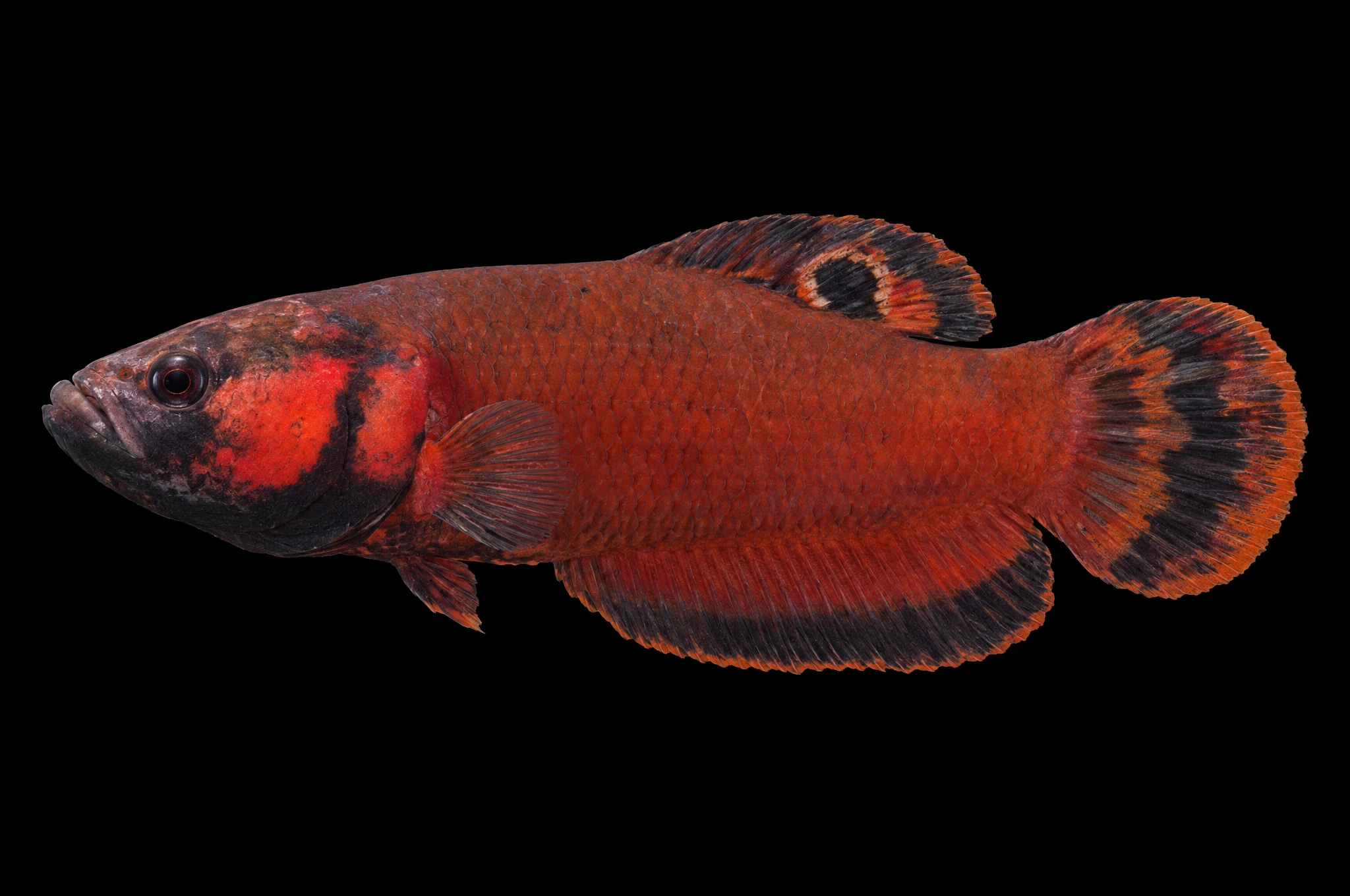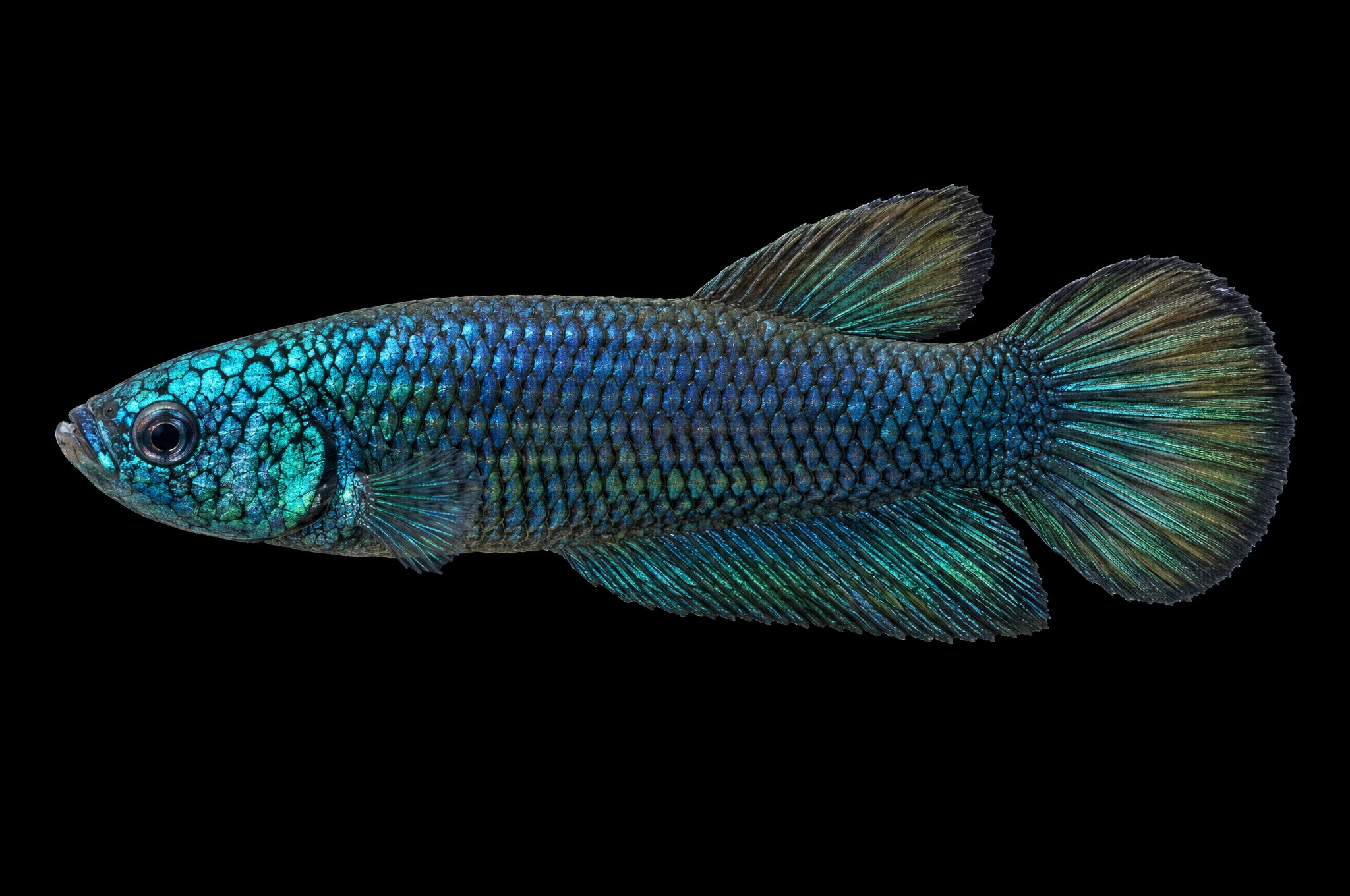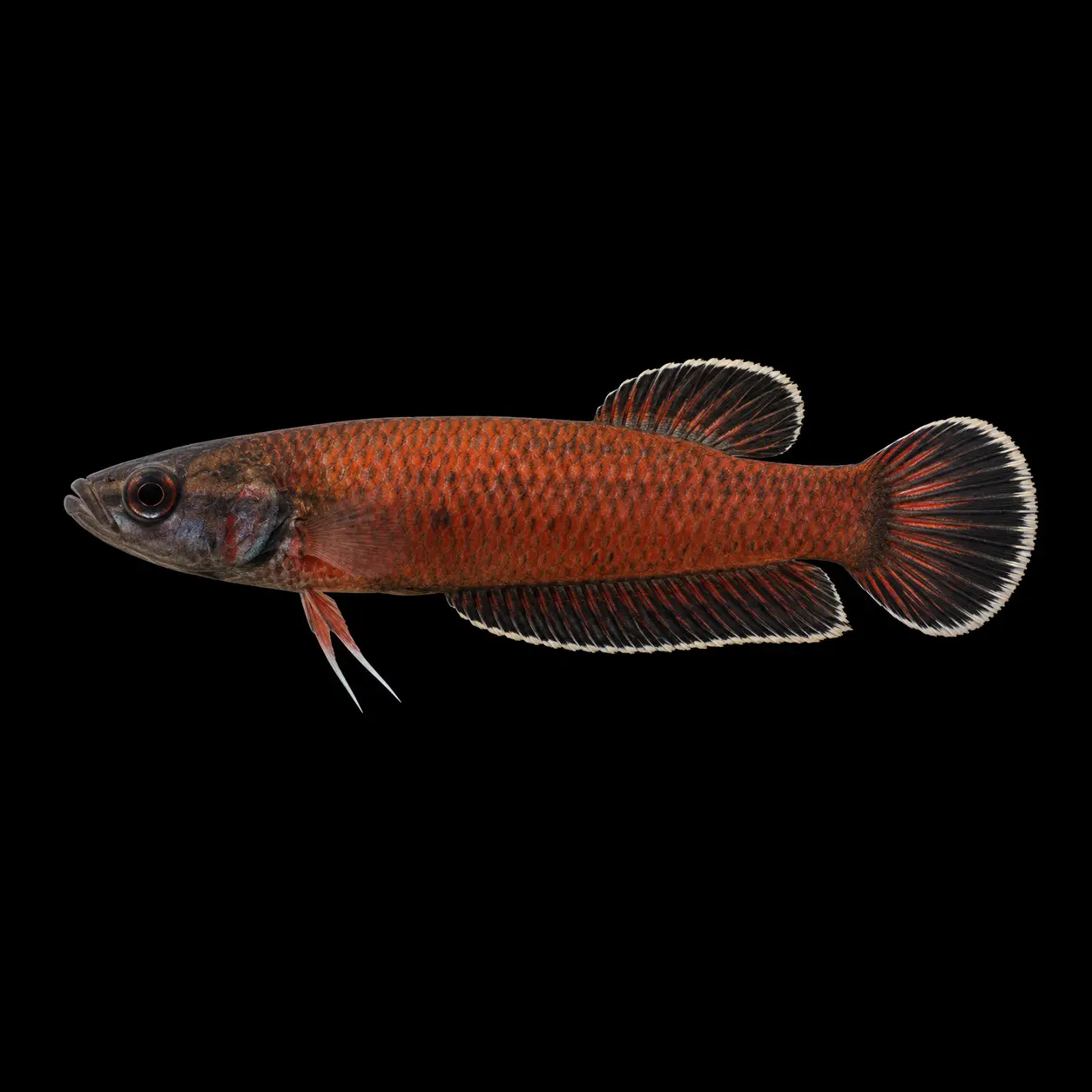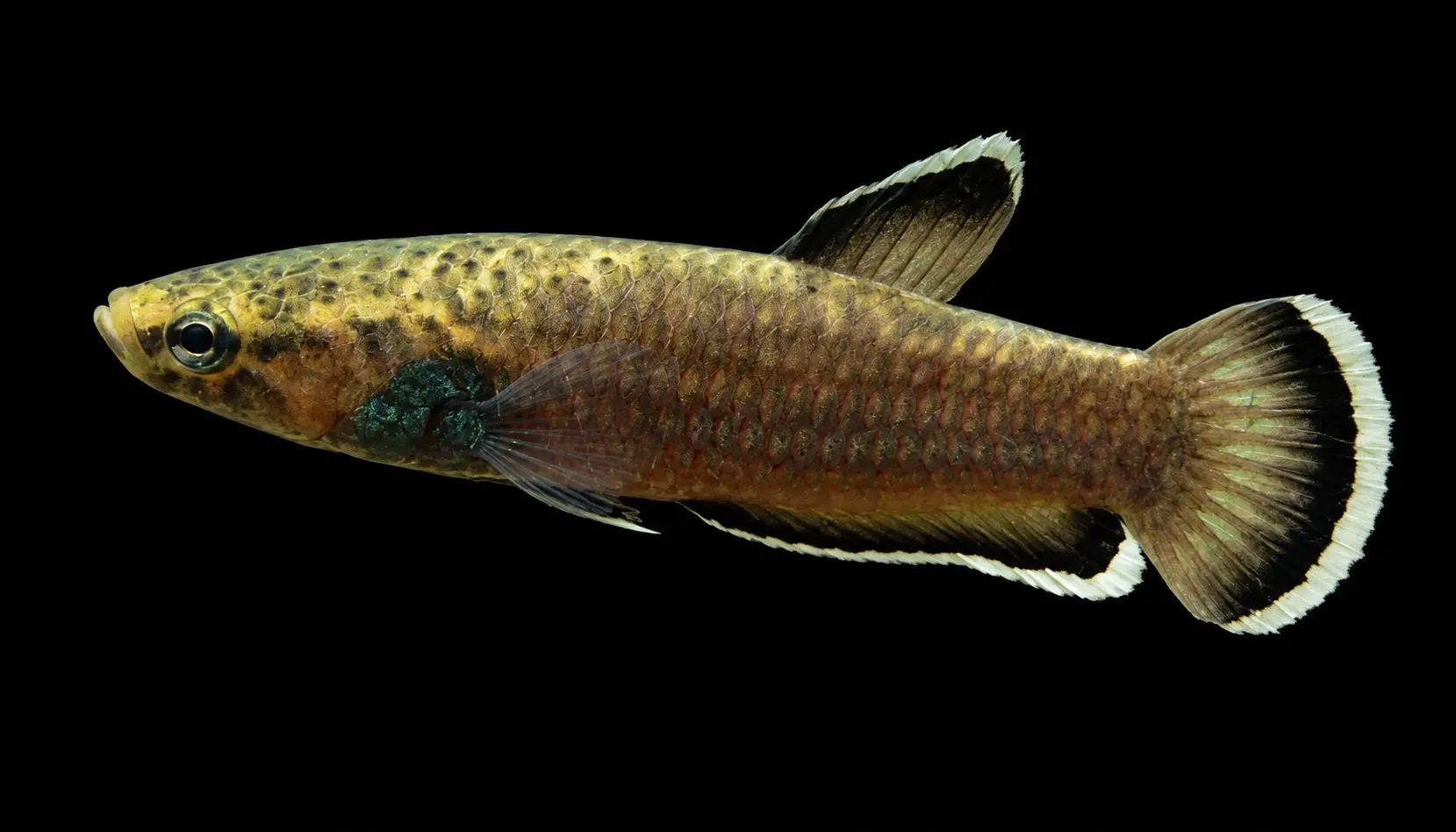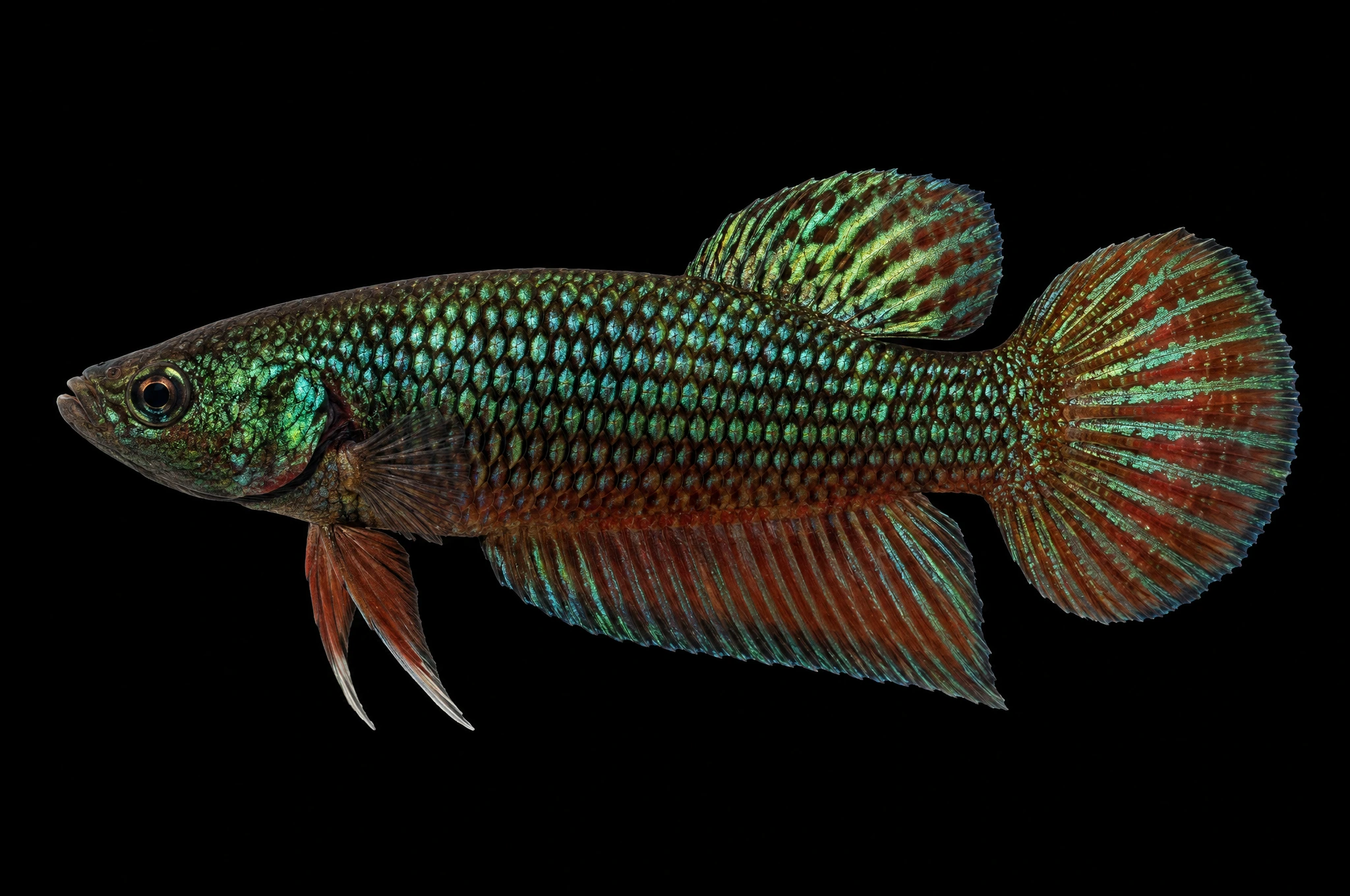
Identity and origin
- Origin
- Northeastern Thailand and Laos
- Identity
- Mainland Southeast Asian species
Mainland Southeast Asian species; not native to Indonesia.
Explore the habitat
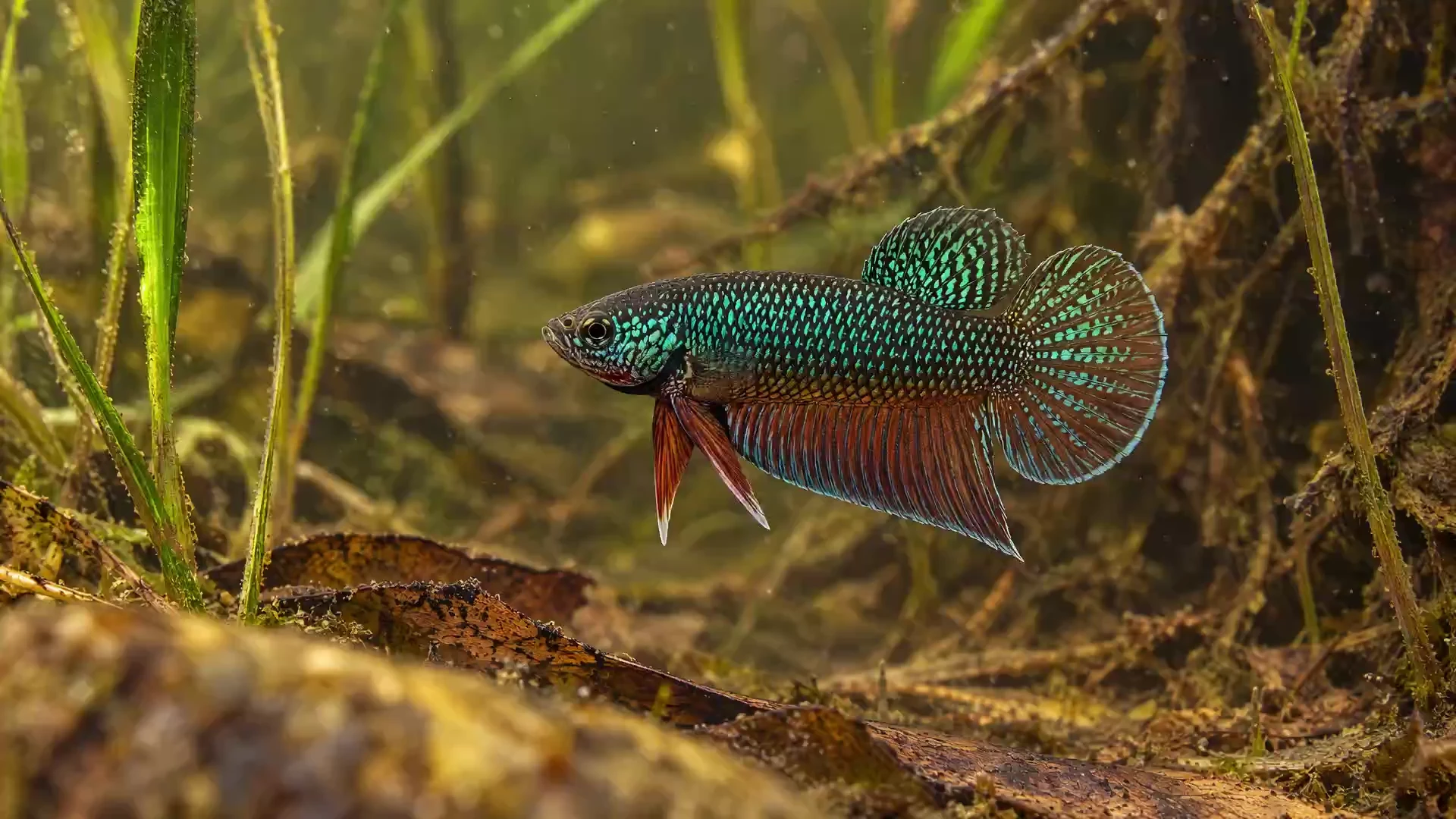
Shallow wetlands · marginal vegetation
Illustrative habitat reconstructionDescription
7 cm TL · reported maximum
Temperature 24–26 °C · pH 4.5–7.0 · GH 1–15 °dGHspecies guidance
Natural food: Artemia, mosquito larvae, grindal, springtails.Prepared food: Dry food accepted.
Biology: mature biofilter; species-specific microbial counts are not established.
Sources & limits
Provide dense plants, floating cover, gentle filtration and a secure lid. Offer varied small animal foods; monitor territorial males and separate fish if aggression causes injury.
Species husbandry guidance; population history still matters.
Omitted parameters have no verified range in the sources checked. Habitat or experimental measurements are not safe keeping limits. GH, KH, TDS and conductivity are not interchangeable.
General system guidance: target free ammonia (NH₃) and nitrite (NO₂⁻) at 0 mg/L; account for test detection limits. These are chemical measurements, not microbial counts or each species’ tolerance limits. OATA · 2022. Assess biofilter function through waste processing and water tests, not clarity alone. Biofiltration reference.
Size checked: . Water/food checked: .
Plan around the wild species
Care-planning notes. Confirm exact requirements for the species and source population.
- Wild Betta have different habitats and breeding strategies; ornamental Betta splendens advice cannot cover every species.
- Retain species and locality records, and verify whether the line is a bubble-nester or a mouthbrooder.
- Plan a secure cover, shelter and a species-specific social arrangement before acquiring a line.
Evidence record
Conservation record: A current assessment has not been verified for this profile. This does not establish Not Evaluated status or imply low risk. Conservation status does not establish legal protection, availability or permission to trade.
Catalogue inclusion confirms a research record, not current stock, legal export, or destination-country import permission.