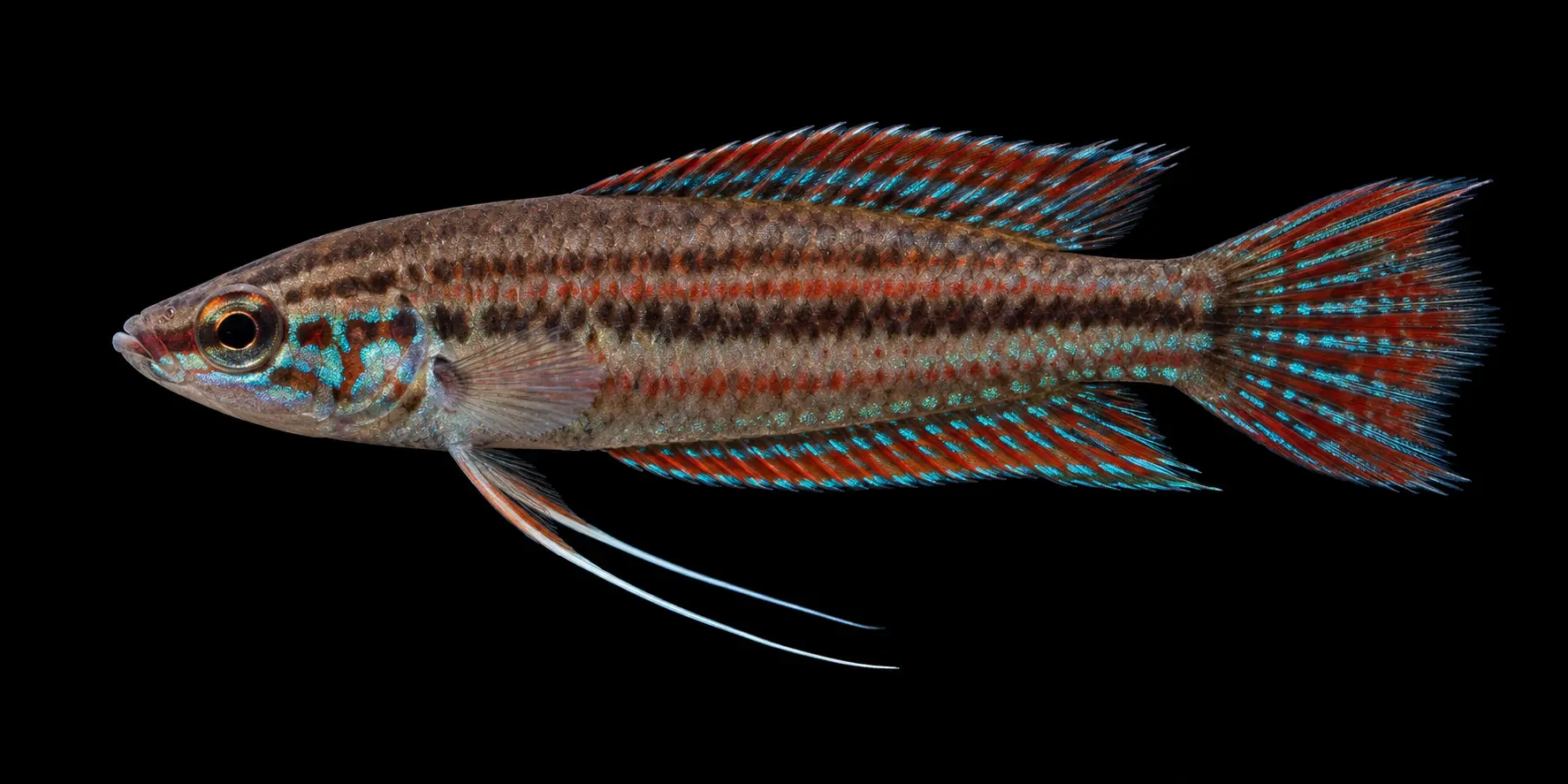
Identity and origin
- Origin
- West Kalimantan
- Identity
- Restricted-range Indonesian species
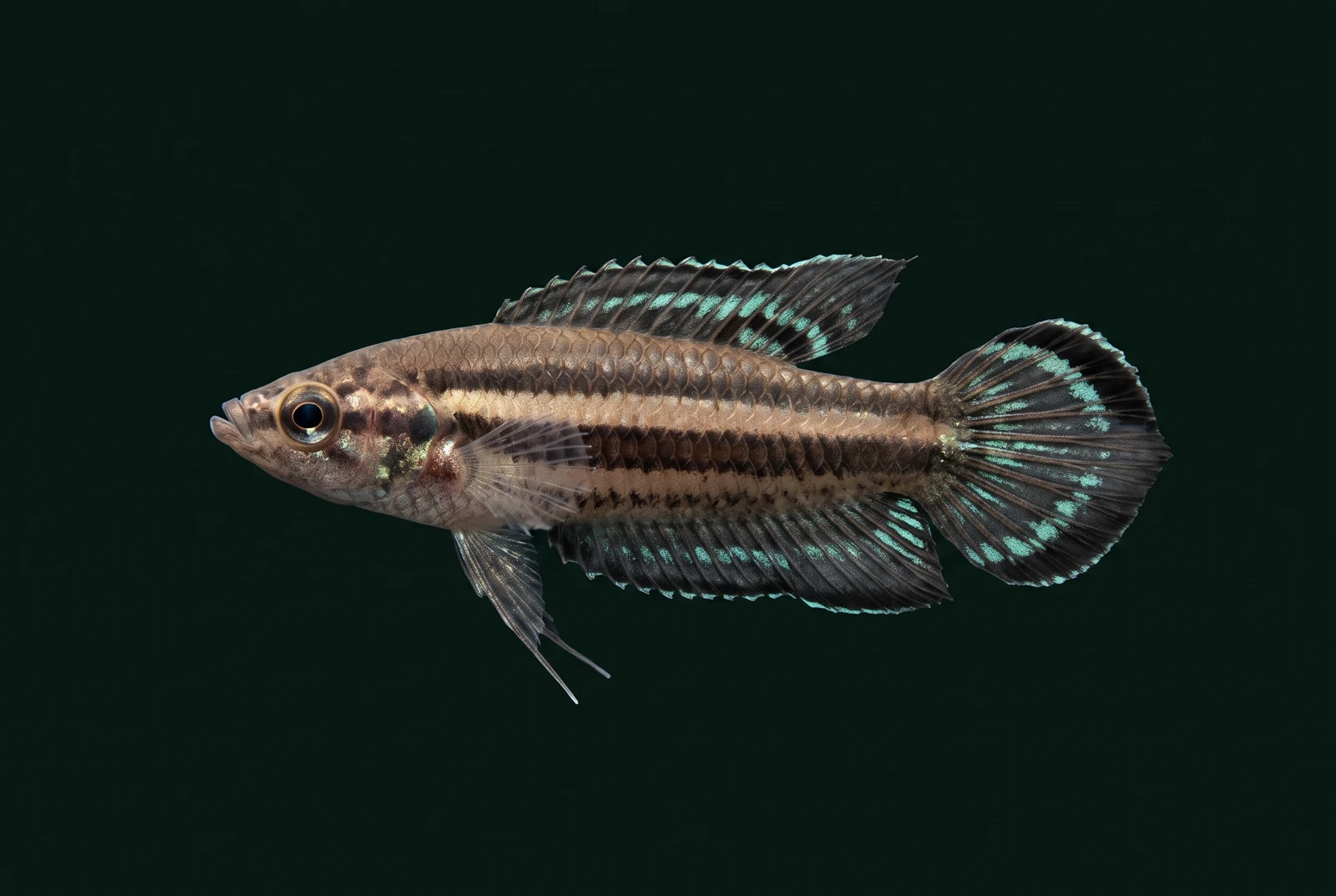
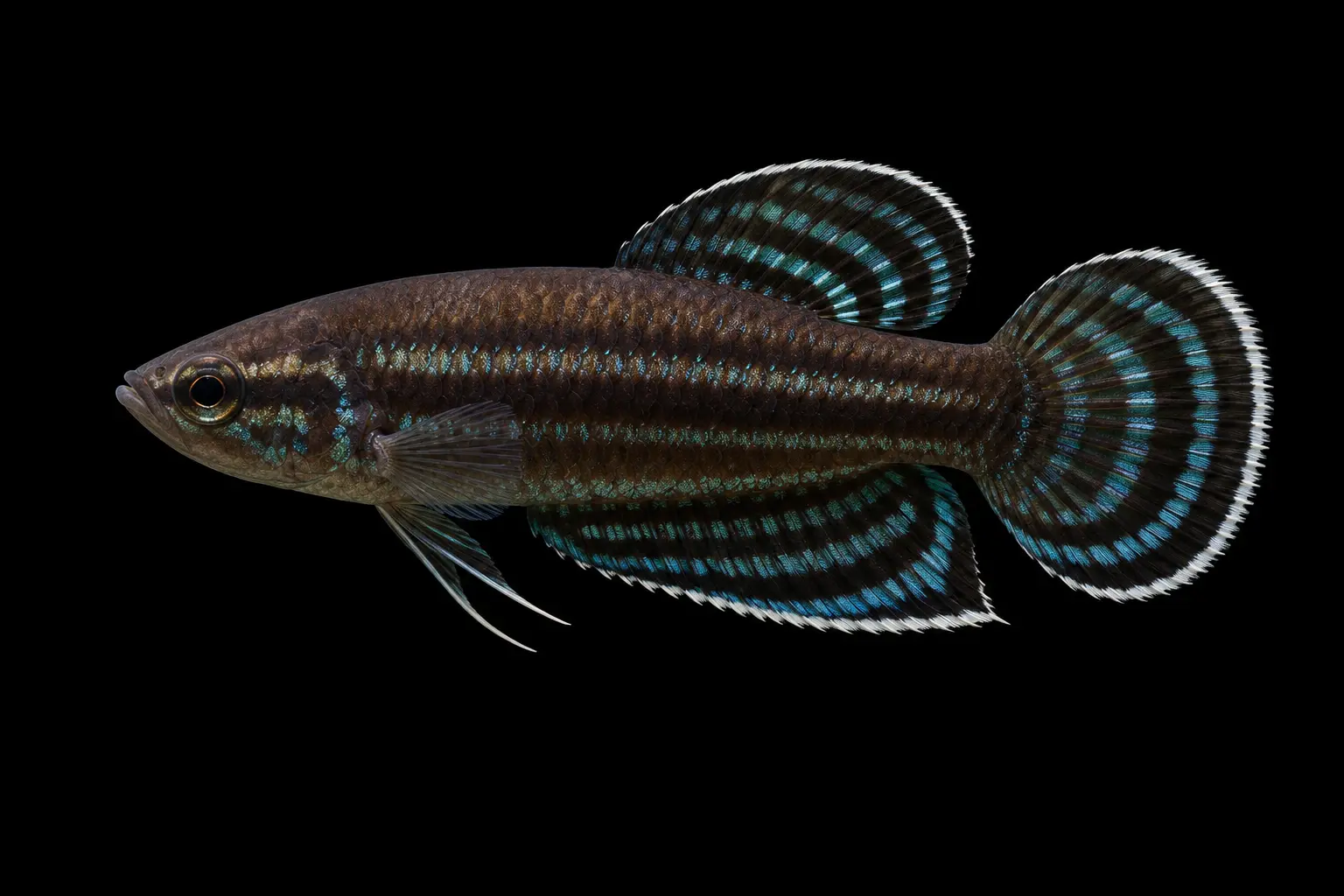
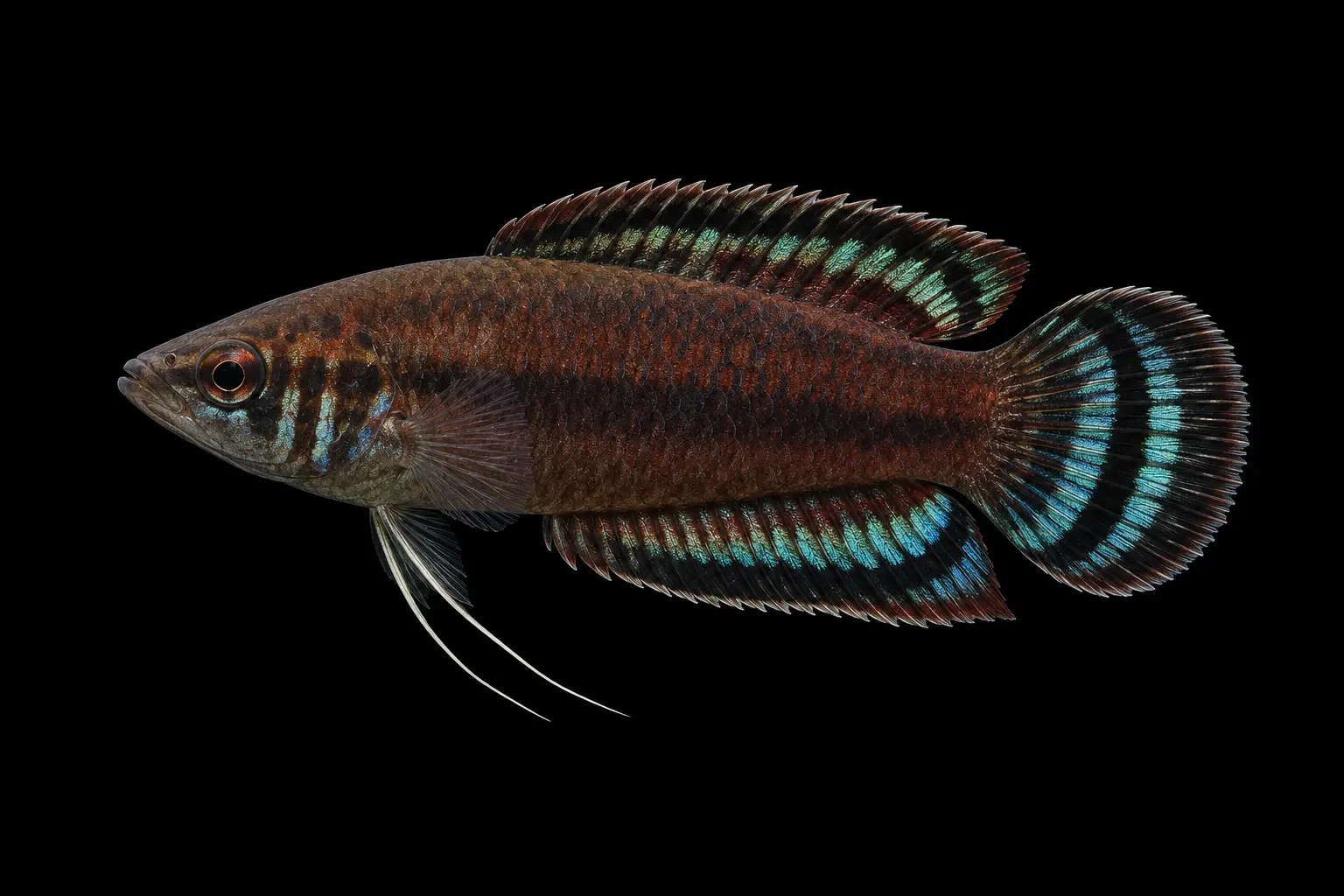
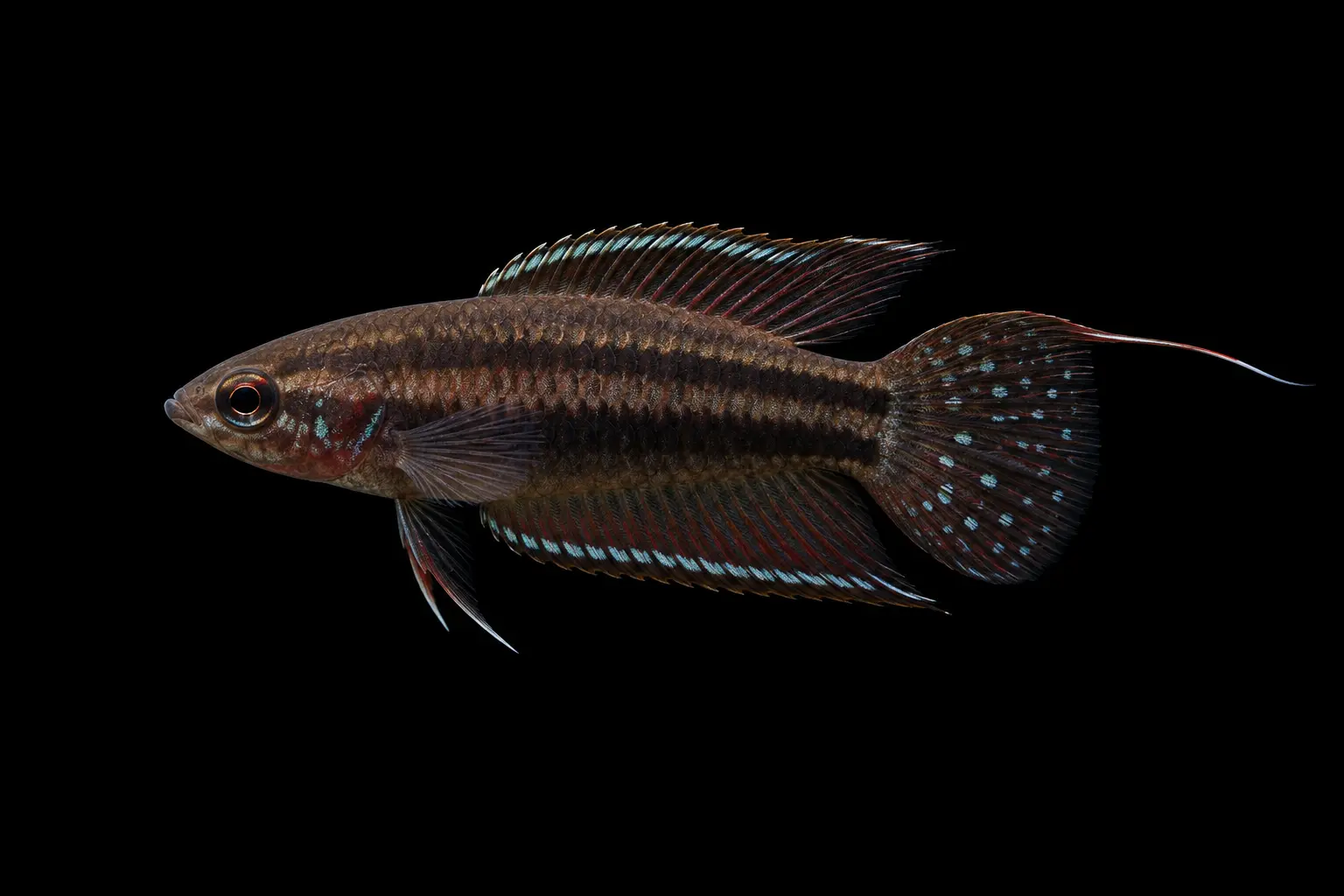
A tiny, delicate species with a distinctive caudal shape. Its conservation sensitivity makes a future commercial listing conditional on documented captive breeding and legal review.
FROM THE SIGNATURE COLLECTIONS
Look closely
A slim body and a red flame-like pattern in the tail make mature males distinctive. Courtship females can temporarily resemble the male’s colours.
A detail worth knowing
A secretive specialist from western Borneo’s blackwater habitats. The Parosphromenus Project describes demanding breeding; small size and striking colour should not be mistaken for easy care.
Parosphromenus Project — species account
Source review: 22 September 2026. Educational notes, not a stock or breeding-success claim.
Plan before choosing
- Habitat
- Peat blackwater
- Size and measurement
- A source-checked adult total length has not yet been added to this profile. Confirm it before choosing aquarium dimensions.
- Planning context
- Prepare species-appropriate soft, acidic water, sheltered space and dependable small live food. Keep species and localities distinct. Consult specialist husbandry before acquisition.
Goodwin & Hutchins (2024), EAZA · specialist husbandry, introduction and section 2
Source check: . Independent husbandry review pending.
Planning for licorice gouramis
Care-planning notes. Confirm exact requirements for the species and source population.
- Prepare species-appropriate soft, acidic water and a dependable supply of suitably small live foods.
- Provide shaded cover and breeding shelters. Keep separately documented species and localities distinct.
- Use a specialist breeding guide: regular tap water and a dry-food-only plan are not a reliable starting point.
Evidence record
Conservation record: Critically Endangered (CR); assessment year 2019. Conservation source record. This retained reference is an index or secondary record; the direct assessment and date require verification. Check for a newer assessment before making conservation or sourcing decisions.
Catalogue inclusion confirms a research record, not current stock, legal export, or destination-country import permission.