Species library · Explore freely. Orders are not open.

LIMNIC / FISH COLLECTION

Predator Fish

Native Indonesia. Research-led profiles for snakeheads and other freshwater carnivores.

Enter the species journey
01 / RESEARCH SCOPENATIVE TO INDONESIA · NOT YET AVAILABLE

Predatory character.
Responsible limits.

This working catalogue covers carnivorous freshwater fishes with documented native occurrence in Indonesia. Native does not mean endemic: several species also occur in neighbouring countries.

The list includes strict fish predators, broader aquatic carnivores, and invertebrate-focused hunters. Those feeding guilds are shown separately so “predator fish” is not treated as one biological category.

02 / CONSOLIDATED CATALOGUE

One Indonesian predator-fish collection.

Explore snakeheads, featherbacks, arowana, catfish and other native carnivores. Compare their origins, feeding ecology and adult scale before considering aquarium suitability.

35 records

Reading descriptions & sources

Fish SL excludes the tail fin; TL follows source endpoints, usually to the tail tip. CL measures the carapace only. Values are not converted between methods. Where a maximum is unverified, the largest examined specimen remains labelled as a specimen, not an adult maximum or a guaranteed final size.

Water ranges retain their source and scope: species, genus or group. Habitat measurements and experimental conditions are labelled separately from aquarium guidance. Missing numbers are not estimated. Prepared food is not always accepted; adapt food size to life stage and check feeding response. This summary does not replace system planning, quarantine, compatibility or adult space.

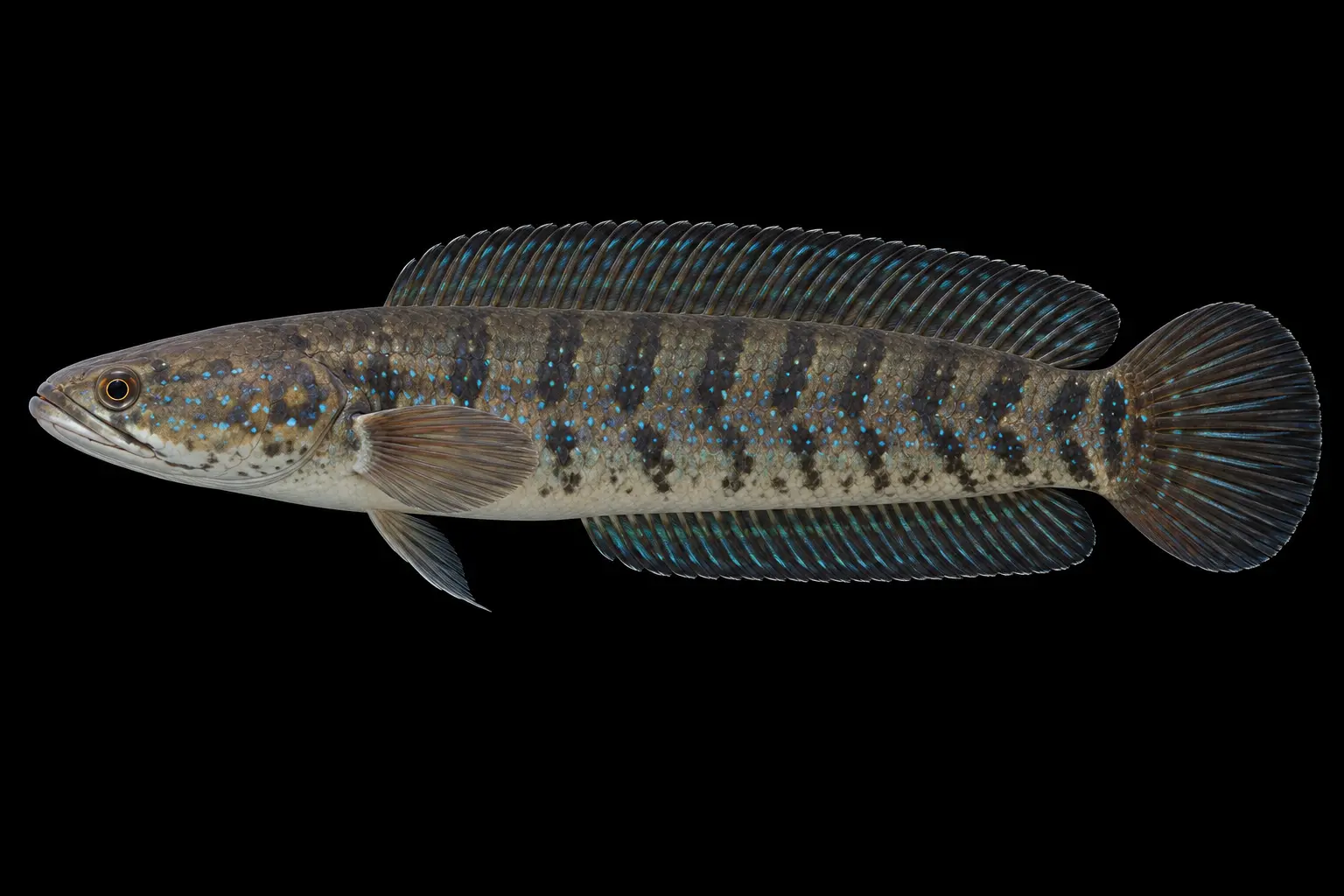
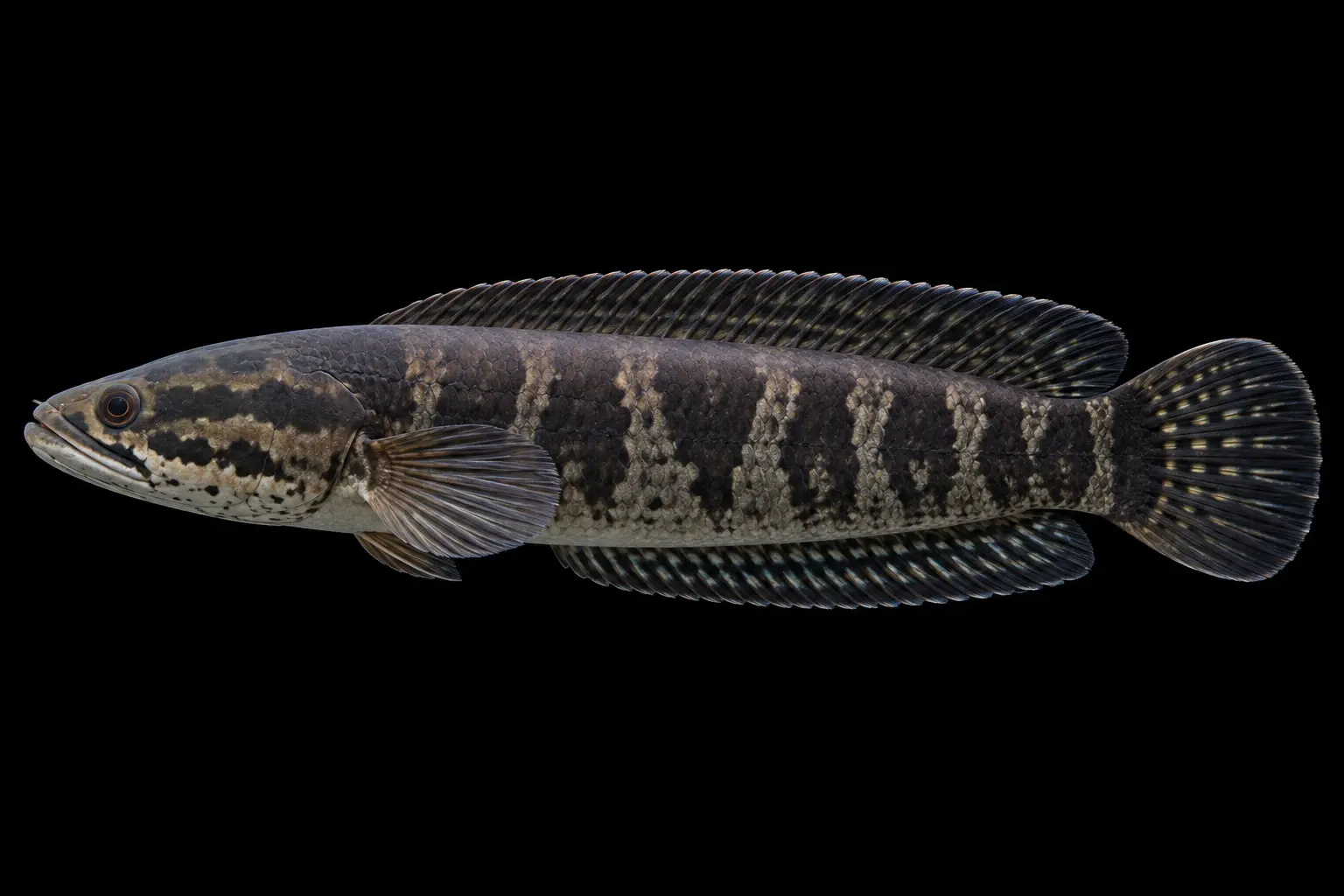
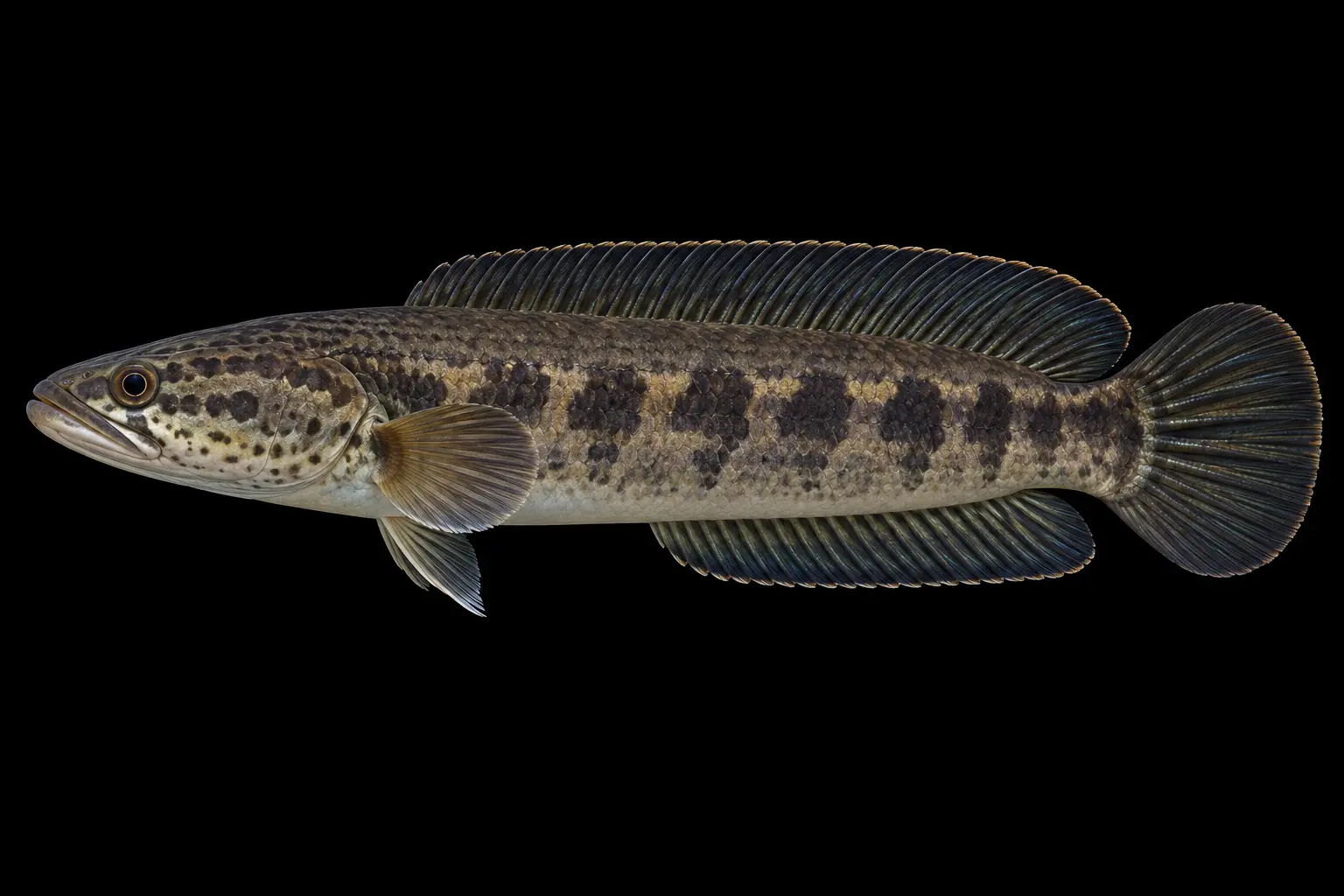
Channa bankanensis

Channa bankanensis

Bangka Snakehead

Origin
Bangka, Sumatra and Kalimantan records; Belitung stock requires specimen-backed verification
Habitat evidence
Habitat review pending

Description

Reported maximum: 23.5 cm TL

Specific water ranges are not yet verified.

Natural food: Earthworms/shrimp (congeneric guidance)Prepared food: Species-specific dry-feed acceptance not verifiedFood guidance at genus level

Biology: mature biofilter; species-specific microbial counts are not established.

Sources & limits

Use a mature, covered system with soft acidic water appropriate to provenance. Provide shelter, surface-air access and an individually assessed predation and aggression plan.

Group-level guidance

Numerical care range not established here. Food is congeneric guidance; verify acceptance and locality. Never substitute a generic Channa temperature for a locality-specific seasonal requirement.

Omitted parameters have no verified range in the sources checked. Habitat or experimental measurements are not safe keeping limits. GH, KH, TDS and conductivity are not interchangeable.

General system guidance: target free ammonia (NH₃) and nitrite (NO₂⁻) at 0 mg/L; account for test detection limits. These are chemical measurements, not microbial counts or each species’ tolerance limits. OATA · 2022. Assess biofilter function through waste processing and water tests, not clarity alone. Biofiltration reference.

Size checked: . Water/food checked: .

Reported NTDirect assessment review pending

Library profile · not for sale
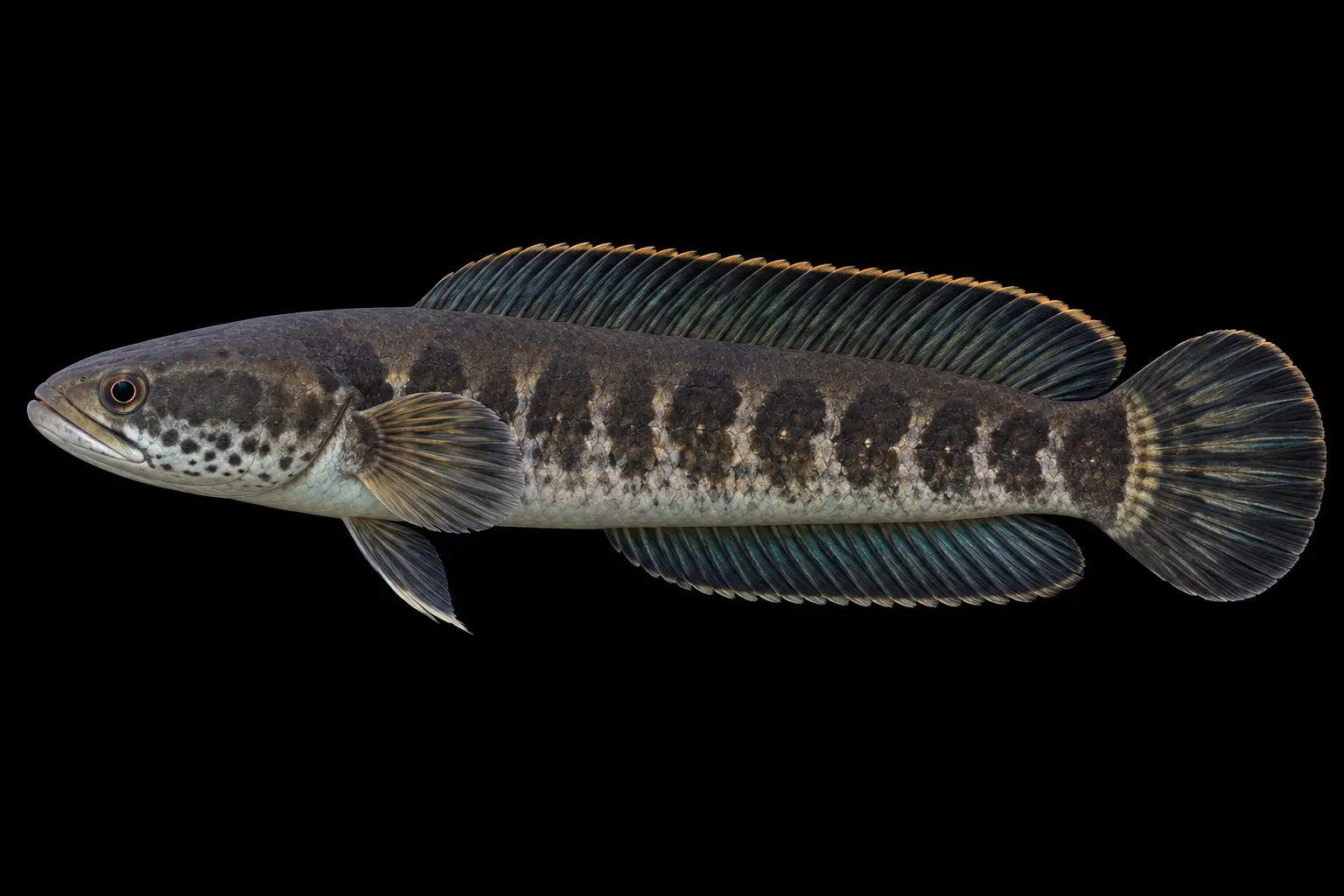
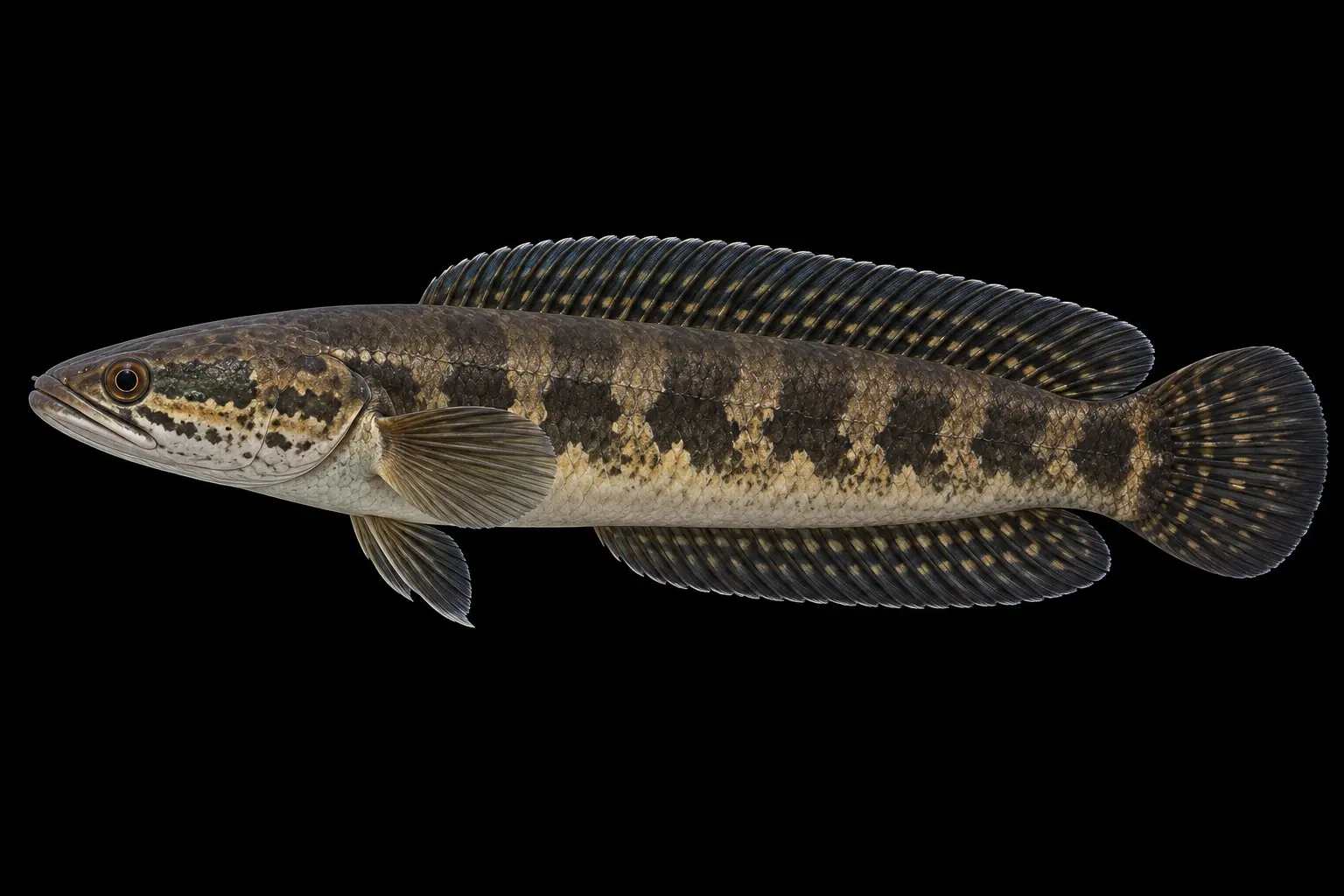
Channa cyanospilos

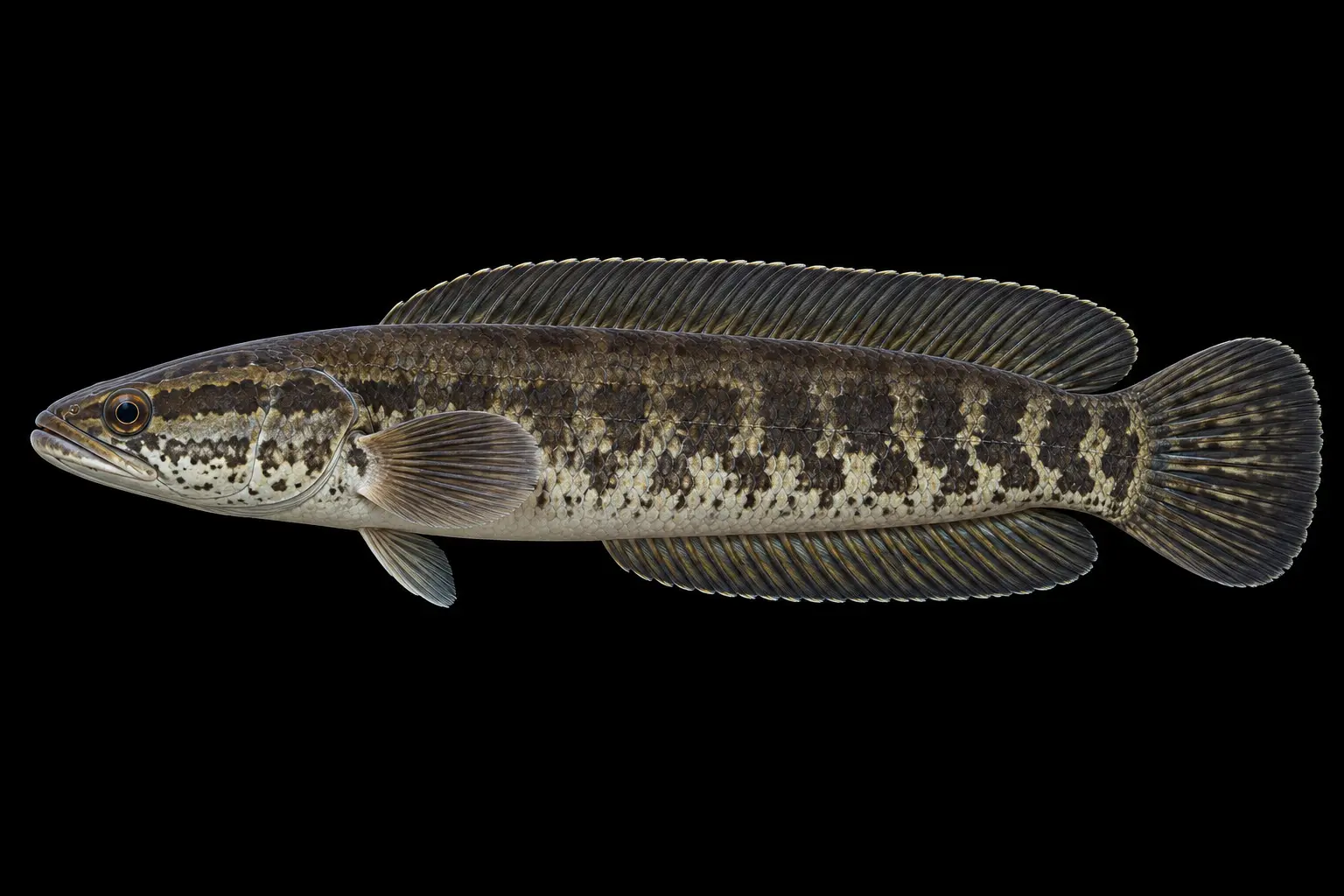
Channa cyanospilos

Blue-spotted snakehead

Origin
Sumatra
Habitat evidence
Habitat review pending

Description

Reported maximum: 17.6 cm SL

Specific water ranges are not yet verified.

Natural food: Earthworms/shrimp (congeneric guidance)Prepared food: Species-specific dry-feed acceptance not verifiedFood guidance at genus level

Biology: mature biofilter; species-specific microbial counts are not established.

Sources & limits

Confirm identity and locality first. Provide secure cover, surface-air access, shelters and stable water matched to the population; assess territorial behaviour before choosing companions.

Group-level guidance

Numerical care range not established here. Food is congeneric guidance; verify acceptance and locality. Never substitute a generic Channa temperature for a locality-specific seasonal requirement.

Omitted parameters have no verified range in the sources checked. Habitat or experimental measurements are not safe keeping limits. GH, KH, TDS and conductivity are not interchangeable.

General system guidance: target free ammonia (NH₃) and nitrite (NO₂⁻) at 0 mg/L; account for test detection limits. These are chemical measurements, not microbial counts or each species’ tolerance limits. OATA · 2022. Assess biofilter function through waste processing and water tests, not clarity alone. Biofiltration reference.

Size checked: . Water/food checked: .

Reported DDDirect assessment review pending

Library profile · not for sale
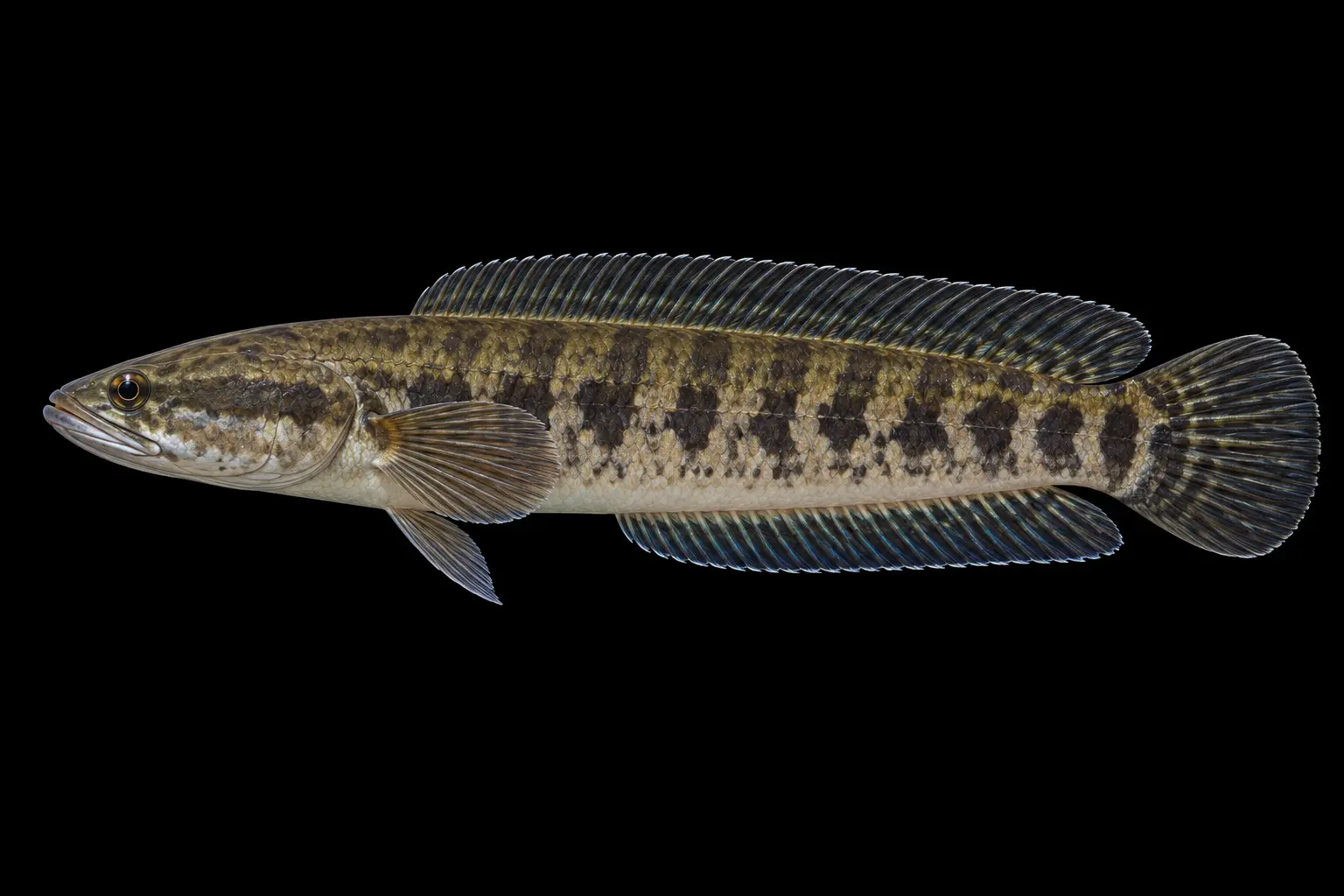
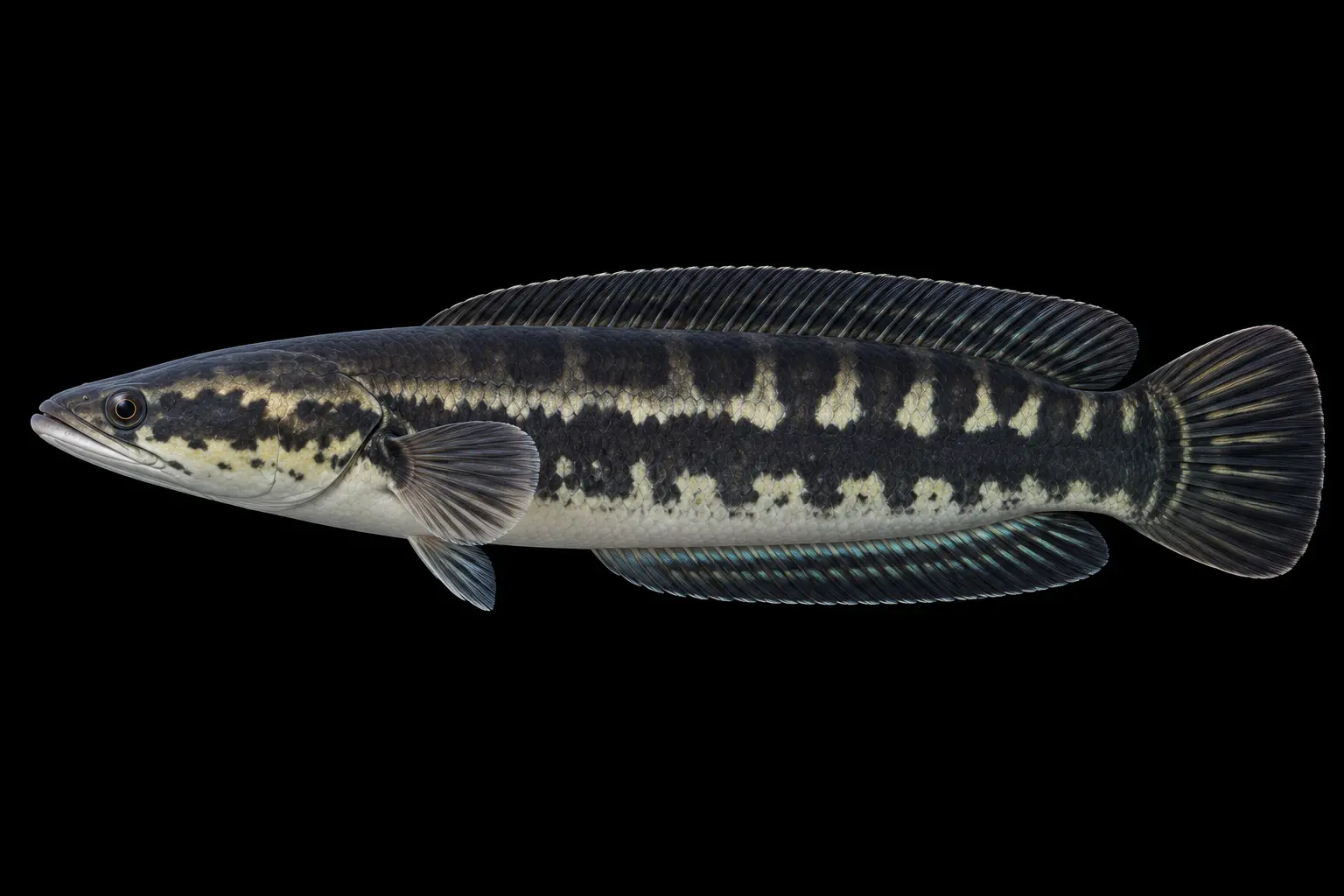
Channa limbata

Channa limbata

Sunda dwarf snakehead

Origin
Java, Sumatra and Kalimantan lineage records
Habitat evidence
Habitat review pending

Description

Locality-specific adult maximum not verifiedMaximum not verified

Specific water ranges are not yet verified.

Natural food: Earthworms/shrimp (congeneric guidance)Prepared food: Species-specific dry-feed acceptance not verifiedFood guidance at genus level

Biology: mature biofilter; species-specific microbial counts are not established.

Sources & limits

Confirm the exact locality and lineage before setting temperature or adult space. Use secure cover, surface-air access and refuges; do not assume peaceful group housing.

Group-level guidance

Numerical care range not established here. Food is congeneric guidance; verify acceptance and locality. Never substitute a generic Channa temperature for a locality-specific seasonal requirement.

Omitted parameters have no verified range in the sources checked. Habitat or experimental measurements are not safe keeping limits. GH, KH, TDS and conductivity are not interchangeable.

General system guidance: target free ammonia (NH₃) and nitrite (NO₂⁻) at 0 mg/L; account for test detection limits. These are chemical measurements, not microbial counts or each species’ tolerance limits. OATA · 2022. Assess biofilter function through waste processing and water tests, not clarity alone. Biofiltration reference.

Size checked: . Water/food checked: .

Status reviewAssessment not verified

Library profile · not for sale
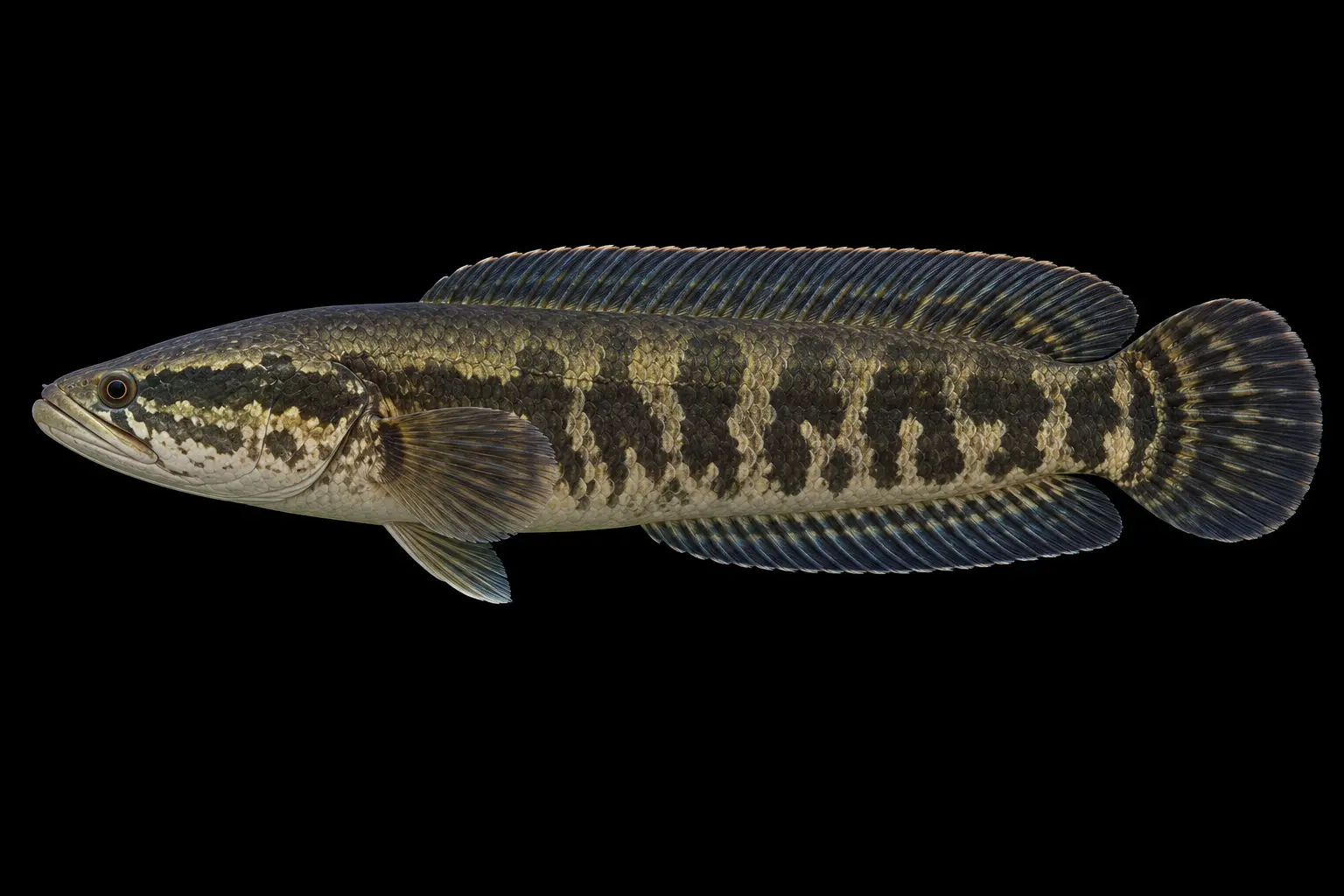
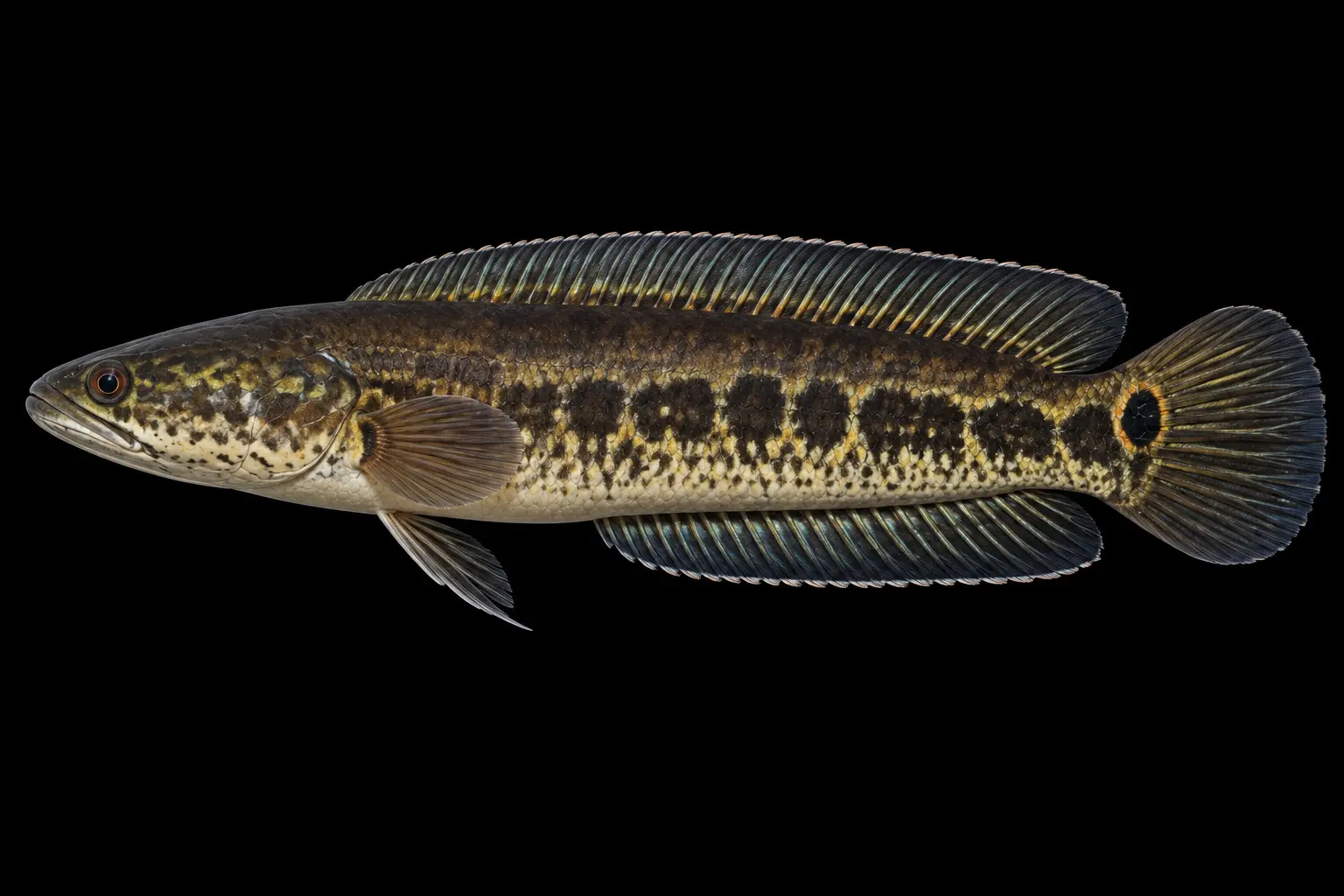
Channa lucius

Channa lucius

Forest snakehead

Origin
Sumatra, Java and Kalimantan records
Habitat evidence
Habitat review pending

Description

Reported maximum: 53 cm TL

Temperature 20–30 °C · pH 5.0–7.5 · GH 2–15 °dGHspecies guidance

Natural food: Earthworms, shrimp, fish flesh, musselPrepared food: Some accept dried foods; not an exclusive diet

Biology: mature biofilter; species-specific microbial counts are not established.

Sources & limits

Plan an adult-scale covered aquarium with shelters and stable water suited to provenance. Preserve surface-air access and treat smaller fish as potential prey.

Group-level guidance

Specialist aquarium guidance; acclimation and provenance still matter. This is not a measured optimum or a breeding protocol.

Omitted parameters have no verified range in the sources checked. Habitat or experimental measurements are not safe keeping limits. GH, KH, TDS and conductivity are not interchangeable.

General system guidance: target free ammonia (NH₃) and nitrite (NO₂⁻) at 0 mg/L; account for test detection limits. These are chemical measurements, not microbial counts or each species’ tolerance limits. OATA · 2022. Assess biofilter function through waste processing and water tests, not clarity alone. Biofiltration reference.

Size checked: . Water/food checked: .

Reported LCDirect assessment review pending

Library profile · not for sale

Channa marulioides

Channa marulioides

Emperor snakehead

Origin
Sumatra, Bangka and western Kalimantan
Habitat evidence
Habitat review pending

Description

Reported maximum: 65 cm (measurement unspecified)

Temperature 22–30 °C · pH 6.0–8.0 · GH 2–15 °dGHspecies guidance

Natural food: Earthworms, shrimp, fish flesh, musselPrepared food: Some accept dried foods; not an exclusive diet

Biology: mature biofilter; species-specific microbial counts are not established.

Sources & limits

Plan a large lifelong system rather than sizing from juveniles. Provide secure cover, surface-air access, strong waste removal and conservative assessment of aggression and prey-sized companions.

Group-level guidance

Specialist aquarium guidance; acclimation and provenance still matter. This is not a measured optimum or a breeding protocol.

USGS reports 65 cm without defining SL/TL; a smaller FishBase entry is not a safe adult planning ceiling.

Omitted parameters have no verified range in the sources checked. Habitat or experimental measurements are not safe keeping limits. GH, KH, TDS and conductivity are not interchangeable.

General system guidance: target free ammonia (NH₃) and nitrite (NO₂⁻) at 0 mg/L; account for test detection limits. These are chemical measurements, not microbial counts or each species’ tolerance limits. OATA · 2022. Assess biofilter function through waste processing and water tests, not clarity alone. Biofiltration reference.

Size checked: . Water/food checked: .

Reported LCDirect assessment review pending

Library profile · not for sale

Channa melasoma

Channa melasoma

Black snakehead

Origin
Sumatra and Kalimantan records
Habitat evidence
Habitat review pending

Description

Reported maximum: 30 cm SL

Temperature 22–32 °C · pH 4.0–7.0 · GH 1–5 °dGHspecies guidance

Natural food: Earthworms, shrimp, fish flesh, musselPrepared food: Some accept dried foods; not an exclusive diet

Biology: mature biofilter; species-specific microbial counts are not established.

Sources & limits

Use a mature covered system with refuges and population-appropriate soft water. Maintain surface-air access and assess territoriality and feeding compatibility for the individual stock.

Group-level guidance

Specialist aquarium guidance; acclimation and provenance still matter. This is not a measured optimum or a breeding protocol.

Omitted parameters have no verified range in the sources checked. Habitat or experimental measurements are not safe keeping limits. GH, KH, TDS and conductivity are not interchangeable.

General system guidance: target free ammonia (NH₃) and nitrite (NO₂⁻) at 0 mg/L; account for test detection limits. These are chemical measurements, not microbial counts or each species’ tolerance limits. OATA · 2022. Assess biofilter function through waste processing and water tests, not clarity alone. Biofiltration reference.

Size checked: . Water/food checked: .

Reported LCDirect assessment review pending

Library profile · not for sale

Channa melanoptera

Channa melanoptera

Black-finned snakehead

Origin
Sumatra and Kalimantan
Habitat evidence
Habitat review pending

Description

Reported maximum: 65 cm TL

Specific water ranges are not yet verified.

Natural food: Earthworms/shrimp (congeneric guidance)Prepared food: Species-specific dry-feed acceptance not verifiedFood guidance at genus level

Biology: mature biofilter; species-specific microbial counts are not established.

Sources & limits

Requires a large adult-scale specialist system with secure cover and surface-air access. Maintain filtration and a long-term space plan; avoid companions small enough to swallow.

Group-level guidance

Numerical care range not established here. Food is congeneric guidance; verify acceptance and locality. Never substitute a generic Channa temperature for a locality-specific seasonal requirement.

Omitted parameters have no verified range in the sources checked. Habitat or experimental measurements are not safe keeping limits. GH, KH, TDS and conductivity are not interchangeable.

General system guidance: target free ammonia (NH₃) and nitrite (NO₂⁻) at 0 mg/L; account for test detection limits. These are chemical measurements, not microbial counts or each species’ tolerance limits. OATA · 2022. Assess biofilter function through waste processing and water tests, not clarity alone. Biofiltration reference.

Size checked: . Water/food checked: .

Reported DDDirect assessment review pending

Library profile · not for sale

Channa micropeltes

Channa micropeltes

Giant snakehead / toman

Origin
Sumatra, Java and Kalimantan native records
Habitat evidence
Habitat review pending

Description

Reported maximum: 130 cm SL

Temperature 20–30 °C · pH 6.0–8.0 · GH 2–20 °dGHspecies guidance

Natural food: Earthworms, shrimp, fish flesh, musselPrepared food: Some accept dried foods; not an exclusive diet

Biology: mature biofilter; species-specific microbial counts are not established.

Sources & limits

An exceptionally large predator, unsuitable for routine home aquaria. Establish lifelong space, containment, filtration and legal suitability before acquisition; small companions are at serious predation risk.

Group-level guidance

Specialist aquarium guidance; acclimation and provenance still matter. This is not a measured optimum or a breeding protocol.

Omitted parameters have no verified range in the sources checked. Habitat or experimental measurements are not safe keeping limits. GH, KH, TDS and conductivity are not interchangeable.

General system guidance: target free ammonia (NH₃) and nitrite (NO₂⁻) at 0 mg/L; account for test detection limits. These are chemical measurements, not microbial counts or each species’ tolerance limits. OATA · 2022. Assess biofilter function through waste processing and water tests, not clarity alone. Biofiltration reference.

Size checked: . Water/food checked: .

Reported LCDirect assessment review pending

Library profile · not for sale

Channa pleurophthalma

Channa pleurophthalma

Ocellated snakehead

Origin
Sumatra and Kalimantan
Habitat evidence
Habitat review pending

Description

Reported maximum: 40 cm TL

Temperature 22–28 °C · pH 6.0–7.5 · GH 2–12 °dGHspecies guidance

Natural food: Earthworms, shrimp, fish flesh, musselPrepared food: Some accept dried foods; not an exclusive diet

Biology: mature biofilter; species-specific microbial counts are not established.

Sources & limits

Provide a large covered system, open swimming room and surface-air access. Match stable water to provenance; assess social behaviour carefully instead of assuming community compatibility.

Group-level guidance

Specialist aquarium guidance; acclimation and provenance still matter. This is not a measured optimum or a breeding protocol.

Omitted parameters have no verified range in the sources checked. Habitat or experimental measurements are not safe keeping limits. GH, KH, TDS and conductivity are not interchangeable.

General system guidance: target free ammonia (NH₃) and nitrite (NO₂⁻) at 0 mg/L; account for test detection limits. These are chemical measurements, not microbial counts or each species’ tolerance limits. OATA · 2022. Assess biofilter function through waste processing and water tests, not clarity alone. Biofiltration reference.

Size checked: . Water/food checked: .

Reported NTDirect assessment review pending

Library profile · not for sale

Channa striata

Channa striata

Striped snakehead / gabus

Origin
Widespread native records across western Indonesia
Habitat evidence
Habitat review pending

Description

Reported maximum: 100 cm SL

Specific water ranges are not yet verified.

Natural food: Earthworms/shrimp (congeneric guidance)Prepared food: Species-specific dry-feed acceptance not verifiedFood guidance at genus level

Biology: mature biofilter; species-specific microbial counts are not established.

Sources & limits

Plan large adult housing, secure cover, surface-air access and robust filtration. Control predation risk and never release aquarium stock; destination restrictions require separate review.

Group-level guidance

Numerical care range not established here. Food is congeneric guidance; verify acceptance and locality. Never substitute a generic Channa temperature for a locality-specific seasonal requirement.

Omitted parameters have no verified range in the sources checked. Habitat or experimental measurements are not safe keeping limits. GH, KH, TDS and conductivity are not interchangeable.

General system guidance: target free ammonia (NH₃) and nitrite (NO₂⁻) at 0 mg/L; account for test detection limits. These are chemical measurements, not microbial counts or each species’ tolerance limits. OATA · 2022. Assess biofilter function through waste processing and water tests, not clarity alone. Biofiltration reference.

Size checked: . Water/food checked: .

Reported LCDirect assessment review pending

Library profile · not for sale

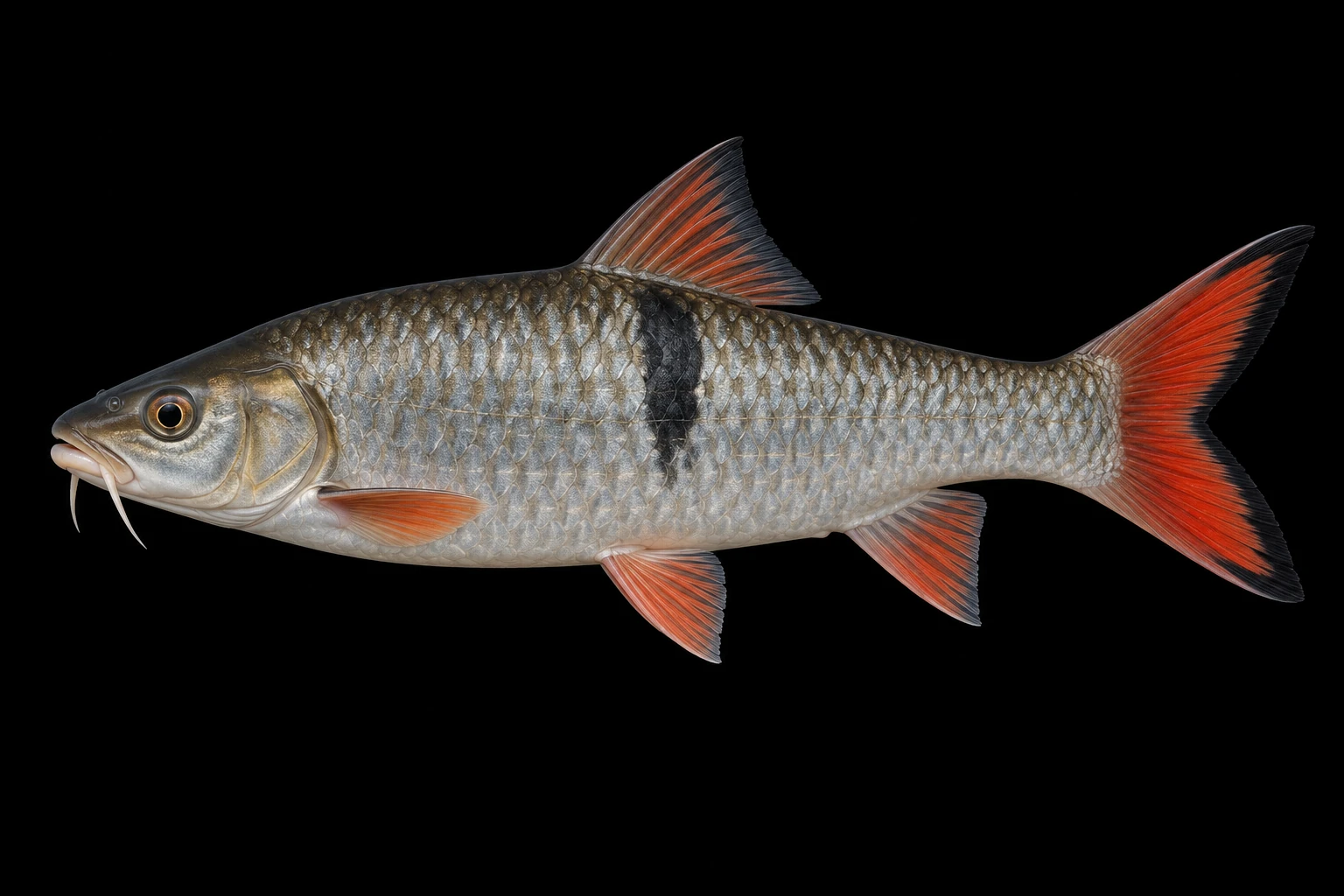
Hampala macrolepidota

Hampala macrolepidota

Hampala Barb / Sebarau

Origin
Java and wider Sundaland; not a verified Bali-origin listing
Habitat evidence
Habitat review pending

Description

Reported maximum: 70 cm SL

Temperature 20–26 °C · pH 5.5–8.0 · GH 2–20 °dGHspecies guidance

Natural food: Earthworms, shrimp, mussel, fish fleshPrepared food: Pellets/dried foods where accepted; not the sole diet

Biology: mature biofilter; species-specific microbial counts are not established.

Sources & limits

Provide exceptional swimming length for an active river predator, with strong oxygenation and filtration. Plan adult space and prey-safe companions; a routine community aquarium is unsuitable.

Group-level guidance

Specialist aquarium guidance; acclimation and provenance still matter. This is not a measured optimum or a breeding protocol.

Omitted parameters have no verified range in the sources checked. Habitat or experimental measurements are not safe keeping limits. GH, KH, TDS and conductivity are not interchangeable.

General system guidance: target free ammonia (NH₃) and nitrite (NO₂⁻) at 0 mg/L; account for test detection limits. These are chemical measurements, not microbial counts or each species’ tolerance limits. OATA · 2022. Assess biofilter function through waste processing and water tests, not clarity alone. Biofiltration reference.

Size checked: . Water/food checked: .

Status reviewAssessment not verified

Library profile · not for sale

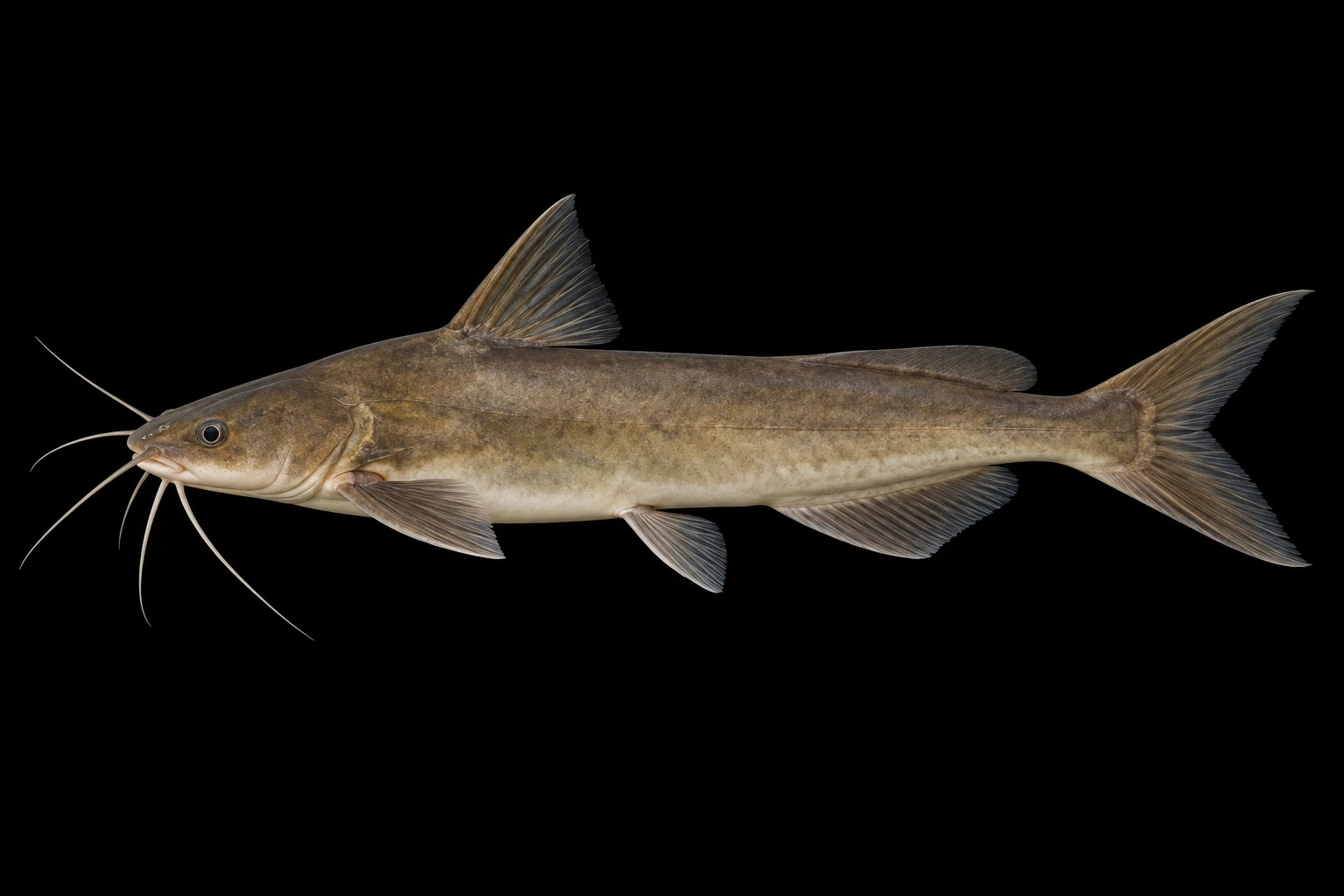
Hemibagrus nemurus

Hemibagrus nemurus

Javan River Catfish / Baung

Origin
Java, following Ng & Kottelat (2013)
Habitat evidence
Habitat review pending

Description

Largest examined specimen: 42 cm SLExamined specimens · not an adult maximum

Temperature 20–27 °C · pH 6.0–8.0 · GH 2–20 °dGHspecies guidance

Natural food: Earthworms, shrimp, mussel, fish fleshPrepared food: Appropriately sized sinking pellets

Biology: mature biofilter; species-specific microbial counts are not established.

Sources & limits

Plan a large secure river-fish system with shelters and effective waste removal. Verify the Javan identity; use companions too large to swallow and monitor nocturnal feeding.

Group-level guidance

Specialist aquarium guidance; acclimation and provenance still matter. This is not a measured optimum or a breeding protocol.

The 2013 revision restricts this name to Java; examined length is not a demonstrated adult maximum.

Omitted parameters have no verified range in the sources checked. Habitat or experimental measurements are not safe keeping limits. GH, KH, TDS and conductivity are not interchangeable.

General system guidance: target free ammonia (NH₃) and nitrite (NO₂⁻) at 0 mg/L; account for test detection limits. These are chemical measurements, not microbial counts or each species’ tolerance limits. OATA · 2022. Assess biofilter function through waste processing and water tests, not clarity alone. Biofiltration reference.

Size checked: . Water/food checked: .

Status reviewAssessment not verified

Library profile · not for sale

Explore freely. Orders, prices and availability have not opened yet.

Page 1 of 3 · 35 matching catalogue records

Evidence-bounded working register.

35 taxa are included. REVIEW means the website has not yet verified a current global assessment; it never means low risk or trade permission.

Other native carnivores

21 taxa

This is a curated ornamental-relevance register, not a claim to enumerate every carnivorous freshwater fish in the Indonesian archipelago.

04 / RESEARCH RECORD

Sources and boundaries.

Names, native occurrence, trophic notes and conservation claims are separated because each requires different evidence.

  1. Conte-Grand, C. et al. (2017). Barcoding snakeheads revisited. PLOS ONE 12(9): e0184017.
  2. Fricke, R., Eschmeyer, W. N. & Van der Laan, R. (eds). Eschmeyer’s Catalog of Fishes. Accepted names and original-locality records.
  3. Froese, R. & Pauly, D. (eds). FishBase. Species distribution, ecology, maximum-size and Red List summaries; each dossier links its record.
  4. Wibowo, A. et al. (2023). Rediscovery of the giant featherback Chitala lopis. Endangered Species Research 51: 1–14.
  5. CITES Appendices. Current international trade controls; always recheck before a transaction.
Open buyer and import requirements

Care before collection.

Explore identity, origin and care context on each species profile. Confirmed stock and ordering will follow when the programme is ready.

Our approach
Back to Fish CollectionAbout LIMNIC